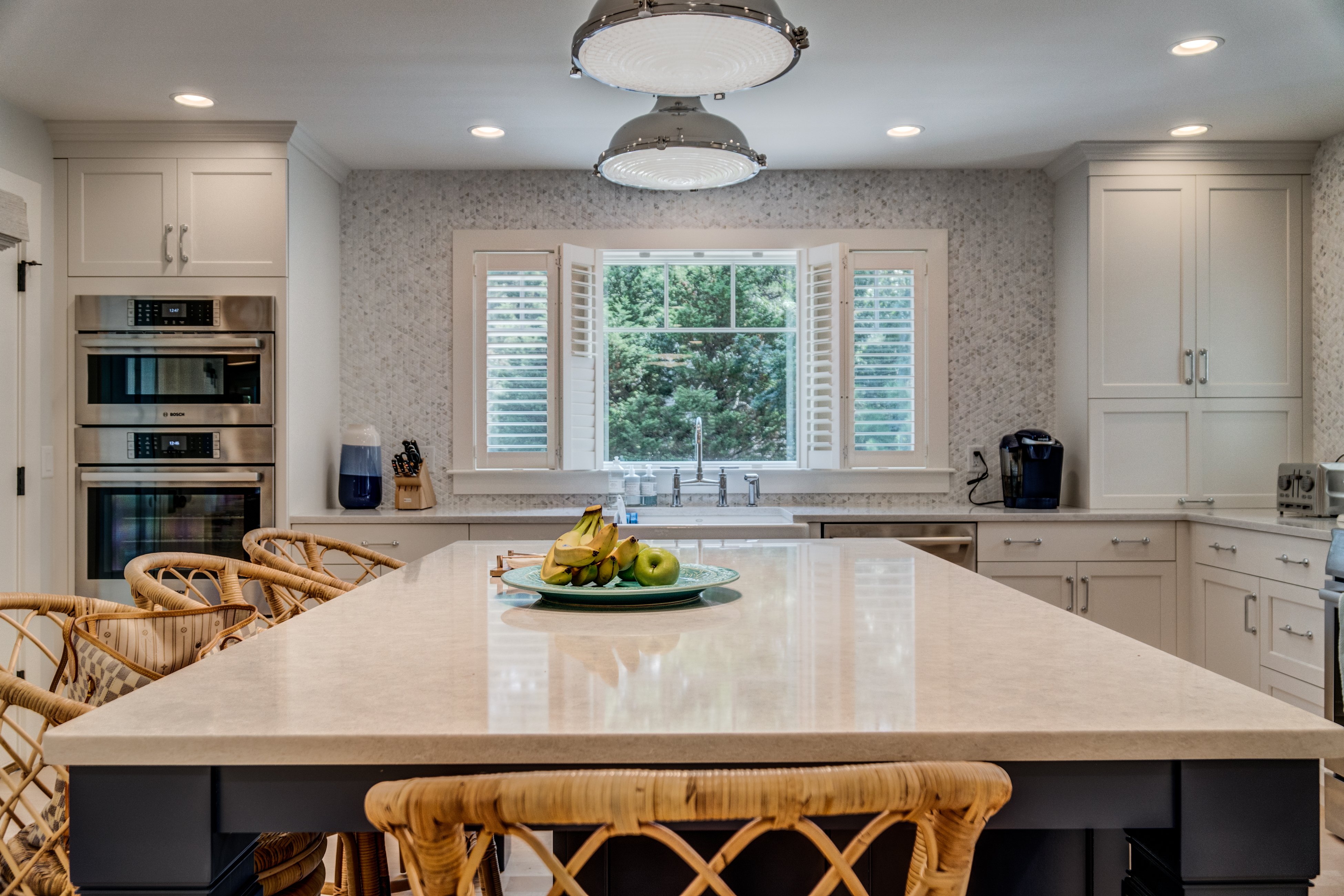
Welcome to the Cape Cod Builder blog

Teardown vs. Renovation on a Premium Cape Cod Lot: How to Decide

Posted by Matthew Teague on Sat, Nov 21, 2026

It's one of the most common situations we see on Cape Cod: a buyer purchases an extraordinary piece of land—waterfront, a sweeping bay view, a quiet harbor setting—and with it comes an older house that doesn't fit the way they want to live.

The question quickly follows: Should we renovate the existing house, or tear it down and build new?

The Short Answer

On a premium Cape Cod lot, the decision usually depends less on the house itself than on the regulations that govern the property.

In general, renovation makes sense when the existing house is structurally sound, sits well on the lot, and enjoys a grandfathered footprint, setbacks, or height that would be difficult to replicate under today's rules.

A teardown and rebuild often makes more sense when the home is in a flood zone and would need to be elevated anyway, when the structure and systems are near the end of their useful life, or when the layout simply can't be adapted to how you want to live.

Many projects end up somewhere in between. The right answer comes from a careful review of zoning, flood, conservation, septic, and historic requirements—ideally before major design decisions are made, and sometimes before the property is purchased.
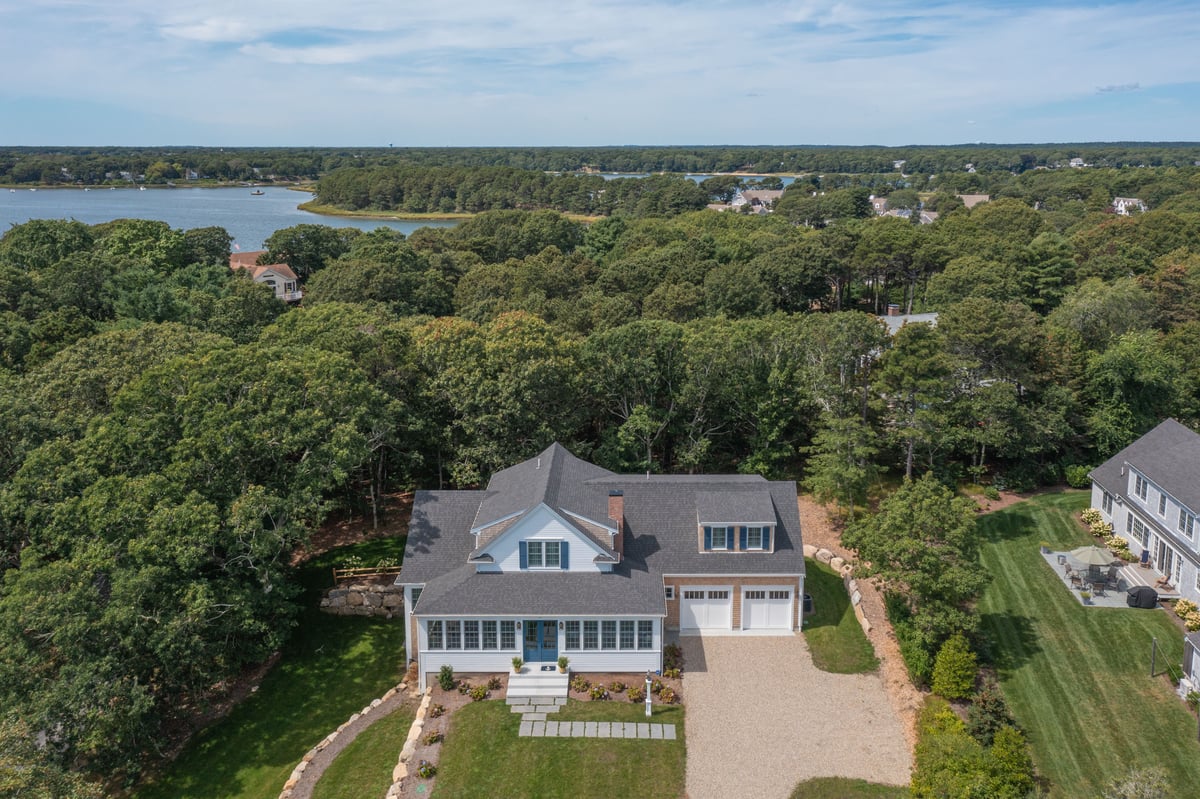
Waterfront custom home and gardens on a premium Cape Cod lot built by REEF Builders

Why This Decision Is Different on Cape Cod

In many places, the teardown-versus-renovation decision comes down to cost and condition. On Cape Cod—especially on waterfront and near-waterfront lots—several layers of regulation can change what is possible:

  • Local zoning bylaws and the rules that protect older, nonconforming homes
  • FEMA flood zone requirements
  • The Massachusetts Wetlands Protection Act and local Conservation Commission review
  • Title 5 septic regulations and nitrogen-sensitive areas
  • Historic district review and local demolition delay bylaws
  • Massachusetts energy codes

Each one can tip the balance. Here's how.

1. Grandfathered Footprints: What You Might Lose by Tearing Down

Many older Cape Cod homes were built before current zoning rules existed. They may sit closer to the water or the property line than would be allowed today, exceed current lot coverage limits, or have a height or footprint that a new home couldn't match by right.

These "pre-existing nonconforming" homes are generally protected under Massachusetts zoning law. In many cases, they can be renovated, altered, or even expanded with the appropriate local approvals.

A full teardown can change that analysis. Depending on the town and the property, rebuilding may require a special permit or finding from the zoning board, and a new home may have to meet current setbacks. On a tight waterfront lot, that can mean a smaller or differently positioned house.

Before deciding to demolish, it's essential to understand exactly what the existing house is allowed to be—and what a new house would be allowed to be.

2. Flood Zones and the 50 Percent Rule

For waterfront properties, FEMA flood zones are often the deciding factor.

Under the National Flood Insurance Program, if the cost of improvements to a home in a designated flood zone equals or exceeds 50 percent of the structure's market value, the project is considered a "substantial improvement." The entire home must then be brought into compliance with current flood requirements—which frequently means elevating it.

On a premium lot where the house itself may represent a modest share of the property's value, a major renovation can cross that threshold quickly. At that point, many owners find it makes more sense to build a new, properly elevated home designed around current flood requirements from the start.

A new home built to current flood standards can also offer better protection from storms and may affect flood insurance costs. For more on this topic, see our guide to building in a flood zone on Cape Cod.
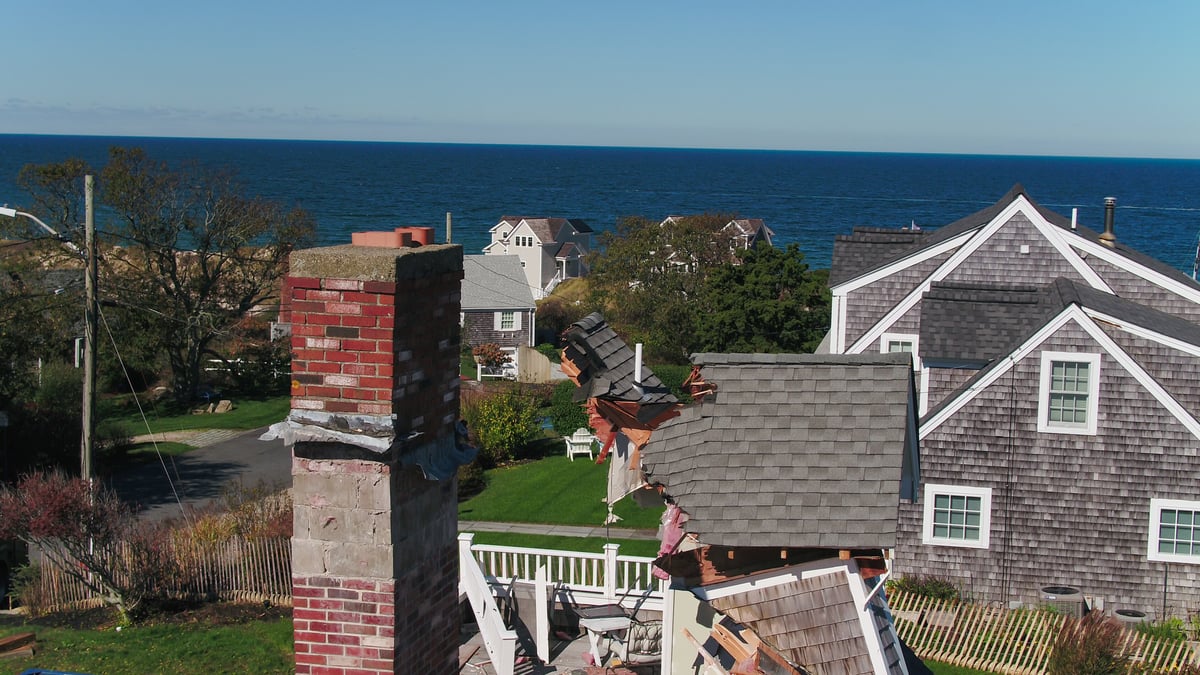
Aerial view of an older coastal home with storm damage in a Cape Cod waterfront neighborhood

3. Conservation Commission Review

Properties near coastal banks, dunes, beaches, marshes, and other wetland resource areas are subject to the Massachusetts Wetlands Protection Act and, in many towns, stricter local wetland bylaws. Work within the buffer zone—typically 100 feet from a resource area—generally requires review by the local Conservation Commission.

This review applies to both renovations and new construction, but it can influence the decision in either direction. In some cases, a rebuild offers an opportunity to move the home farther from a sensitive resource area, which commissions may view favorably. In others, keeping the existing footprint limits the amount of new disturbance and simplifies approval.

4. Septic Capacity and Title 5

Most Cape Cod homes rely on on-site septic systems governed by the state's Title 5 regulations and local board of health rules.

Septic design is based largely on the number of bedrooms. Adding bedrooms—common when replacing an older cottage with a larger family home—often requires a new or upgraded system, and a small or constrained lot may limit how many bedrooms are allowed.

Much of Cape Cod is also now designated as nitrogen-sensitive, where new construction and increases in septic flow often require advanced, nitrogen-reducing (I/A) treatment systems. These requirements affect cost, site layout, and in some cases the size of the home.

5. Historic Review and Demolition Delay

Along the Route 6A corridor, the Old King's Highway Regional Historic District—which includes portions of Sandwich, Barnstable, Yarmouth, Dennis, Brewster, and Orleans—reviews exterior changes and demolition of structures visible from a public way.

Many Cape towns also have demolition delay bylaws that can postpone the demolition of older buildings while alternatives are considered.

For a historic or architecturally significant home, these rules can make renovation the more practical—and sometimes the only realistic—path. They can also add months to a teardown schedule.

6. The Condition of the Existing House

Of course, the house itself still matters. Key questions include:

  • Is the foundation sound, and is it at an appropriate elevation?
  • Is the framing in good condition, or is there rot, insect damage, or structural deficiency?
  • How old are the roof, windows, electrical, plumbing, and heating systems?
  • Is the home insulated and air-sealed to any meaningful degree?
  • Are there hazardous materials such as asbestos or lead paint?

Massachusetts requires an asbestos survey before most demolition and renovation work, and older homes frequently contain materials that must be properly abated. Concealed conditions are common in older Cape homes, so a renovation budget should include a realistic contingency.
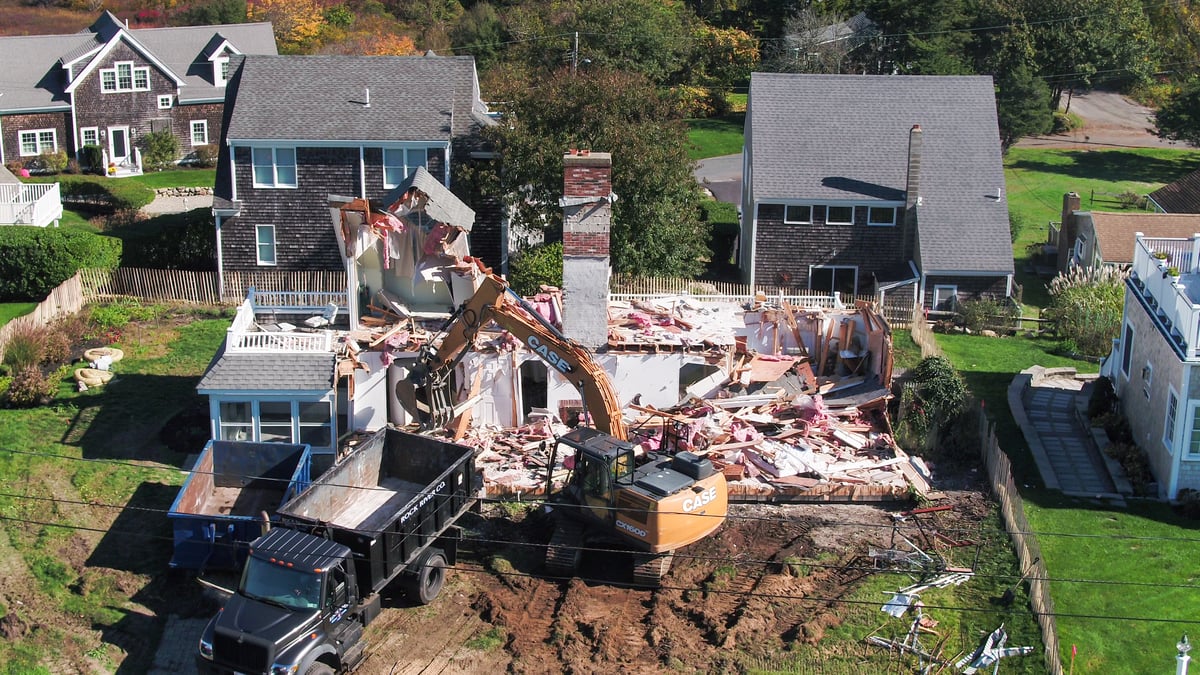
Excavator demolishing an older house to prepare a Cape Cod lot for a new custom home

7. Energy Codes

A new home on Cape Cod must meet the energy code adopted by its town—today, either the Stretch Energy Code or the Specialized Opt-in Code in every Cape town. Those codes set performance targets that influence insulation, windows, mechanical systems, and even appliance choices, as we explained in our recent post on induction, gas, and dual-fuel ranges.

Renovations and additions are subject to different requirements. That can make a renovation simpler from a code standpoint—but a new home designed to current standards will typically be more comfortable, more efficient, and less expensive to operate.

8. Cost, Value, and Certainty

It's natural to assume renovation is always less expensive. Sometimes it is. But on a major project, the comparison is often closer than people expect.

A renovation must work within the limits of an existing structure, and concealed conditions can add cost once walls and floors are opened. A new home involves demolition, site work, and a full foundation, but offers greater design freedom and far fewer unknowns once construction begins.

For new custom homes, REEF's typical range of $700 to $900 per square foot includes site work, septic, design and engineering, permits, and landscaping—costs that are often excluded from figures quoted elsewhere. For a deeper look at what drives construction costs, download our Cape Cod Construction Cost Guide.

Value matters too. On a premium lot, the land often represents the majority of the property's value. A home that fully takes advantage of the site—its views, orientation, and outdoor living—can be a better long-term investment than one constrained by an outdated footprint.

The Middle Ground: Partial Demolition and Major Renovation

Teardown and renovation aren't the only two choices. Many successful Cape Cod projects retain a portion of the existing structure—or its foundation—to preserve a grandfathered footprint or setback, while substantially rebuilding and expanding the rest of the home.

This approach can offer the best of both worlds, but it requires care. How much of a structure must be retained, and how the project will be treated by the building department, zoning board, and Conservation Commission, varies by town and by property. It should be confirmed before design begins.

Renovate or Rebuild? A Quick Comparison

Renovation is often the better fit when…A teardown and rebuild is often the better fit when…
The house has a grandfathered footprint, setback, or height that a new home couldn't matchThe home is in a flood zone and the work would trigger the 50 percent rule
The structure and foundation are soundThe structure, foundation, or systems are near the end of their life
The home is historic or subject to historic district reviewThe layout can't be adapted to how you want to live
Septic capacity limits the number of bedrooms you could addA new home could be better positioned for views, light, or resource-area setbacks
Your goals can be met with targeted changes rather than a complete transformationRenovation costs would approach the cost of building new

Start with a Feasibility Review

The most expensive mistake we see is committing to a direction—or even to a purchase—before understanding what the property allows.

That's why we recommend a feasibility and regulatory review as the first step. For a property you own or are considering, REEF can evaluate zoning, flood zone, Conservation Commission, septic, and historic requirements, assess the existing structure, and outline the realistic options and their implications for budget and schedule.

With that information in hand, the decision between renovating and rebuilding usually becomes much clearer. And as we discussed in Part 1 of our From Vision to Home series, the best projects begin with this kind of clarity—before anything is drawn.
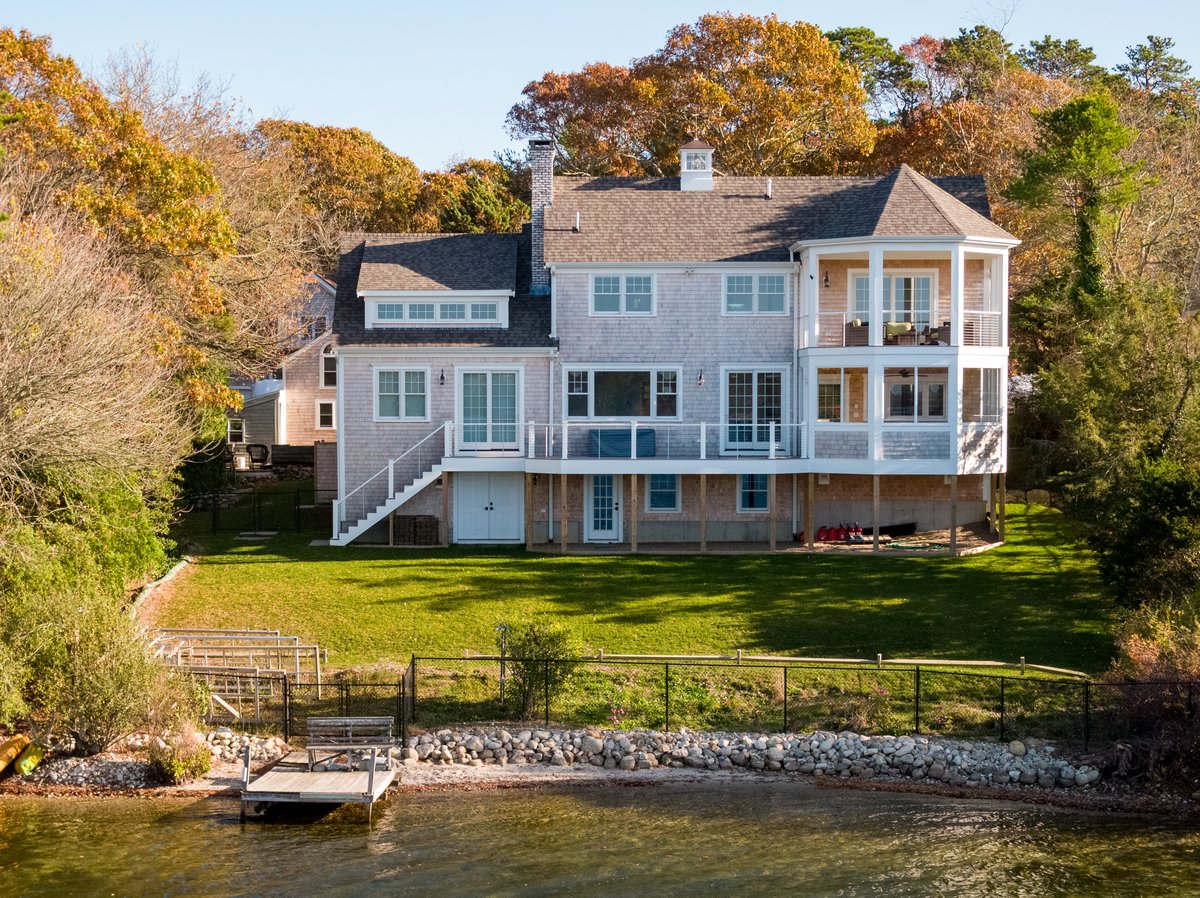
Newly built multi-story waterfront home on Cape Cod with large windows overlooking the water

Frequently Asked Questions

Can I rebuild a larger house if I tear down an older home on Cape Cod?

Sometimes. It depends on the town's zoning bylaw, the lot's setbacks and coverage, whether the existing home is nonconforming, flood and Conservation Commission requirements, and septic capacity. In many cases a larger home requires local approvals, and some lots simply can't support a significantly bigger house.

Will I have to elevate my house if I renovate in a flood zone?

If the cost of the work equals or exceeds 50 percent of the structure's market value, FEMA's substantial improvement rule generally requires the entire home to meet current flood requirements, which often means elevating it. Smaller projects may not trigger that requirement.

Is renovating always cheaper than building new?

No. Light to moderate renovations usually cost less than a new home. But for a whole-house renovation of an older home—especially one that requires structural repairs, system replacement, elevation, or a new septic system—the cost can approach or exceed that of building new, with more uncertainty.

How long does it take to get approvals for a teardown and rebuild on Cape Cod?

It varies widely. Depending on the property, approvals may include zoning, Conservation Commission, board of health, historic district, and building permits, plus any demolition delay period. A feasibility review early in the process helps identify which approvals will apply and how they may affect the schedule.

Should I get a feasibility study before buying a Cape Cod property?

We strongly recommend it if you plan to renovate significantly or rebuild. Understanding zoning, flood, septic, and conservation limitations before purchase can prevent costly surprises. Our free guide to buying and building a waterfront property is a good place to start.

Considering a Renovation or Rebuild on Cape Cod?

With more than 1,500 homes, renovations, and additions completed on Cape Cod, REEF has helped many owners of premium properties decide whether to renovate, expand, or rebuild—and then guided those projects from feasibility through completion.

Thinking about building or renovating? Let's start with a conversation.

Visit CapeCodBuilder.com or call (508) 394-3090.

This article provides general information about Massachusetts and Cape Cod regulations. Requirements vary by town and property and change over time; confirm current requirements for your property with your local officials or design-build team.

Tags: cape cod waterfront homes, renovation cape cod, coastal building

Building Your Dream Waterfront Home on Cape Cod

Posted by REEF Builders on Thu, Jan 30, 2025

Navigating Regulatory and Permitting Challenges

Building a custom waterfront home on Cape Cod is an exciting endeavor, but it begins with navigating a complex landscape of regulatory and permitting challenges. Cape Cod's unique coastal environment is protected by a variety of local, state, and federal regulations aimed at preserving its natural beauty and ecological integrity. Understanding these requirements is crucial to ensuring a smooth start to your project.

8SamLR-13

Firstly, you'll need to familiarize yourself with a myriad of regulations, which often involve detailed environmental assessments and impact studies. The Massachusetts Wetlands Protection Act is another key consideration, as it governs development near wetlands and water bodies. Obtaining permits from local conservation commissions is typically required, which may involve public hearings and site inspections.

097-161006-COIR Photo_03

Additionally, zoning laws in Cape Cod towns can vary significantly, affecting everything from allowable building heights to setback requirements. Engaging with a knowledgeable local architect or builder who understands these regulations can streamline the process. Their expertise can be invaluable in navigating the permitting maze, ensuring your project adheres to all necessary guidelines while minimizing delays.

Choosing the Perfect Waterfront Home Style

Once you've cleared the regulatory hurdles, it's time to envision your dream home. Cape Cod offers a plethora of architectural styles that complement its scenic waterfronts, each with its unique charm and functionality. Choosing the right style is a personal decision that should reflect your tastes, lifestyle, and the home's natural surroundings.

The classic Cape Cod style, with its steep roofs, shingle siding, and dormer windows, is a perennial favorite. Its simplistic elegance and robust design make it well-suited for the coastal environment. Alternatively, the Colonial style offers a more formal aesthetic, characterized by symmetrical facades and decorative entryways.

For those seeking a modern twist, contemporary beach houses with open floor plans and large glass windows can capture breathtaking views while blending seamlessly into the landscape. No matter the style, consider how it harmonizes with the environment and fulfills your functional needs, whether it's accommodating family gatherings or providing serene solitude.

DJI_0048-1

Designing for Seamless Indoor-Outdoor Living

Cape Cod's picturesque setting naturally invites a lifestyle that blurs the line between indoor and outdoor living. Designing your waterfront home to take full advantage of this can enhance your living experience and connection to the environment. Start by considering how you can incorporate expansive decks, patios, and balconies that offer stunning vistas and outdoor relaxation spaces.

Sliding glass doors and large windows can help merge the indoors with the outside, flooding your home with natural light and offering unobstructed views of the coastline. Indoor spaces should flow effortlessly into outdoor areas, creating a cohesive living environment. Think about integrating outdoor kitchens, fire pits, or lounges to extend your living space beyond the walls of your home.

Landscaping plays a critical role in this seamless transition. Native plants and grasses can enhance the natural beauty of your property while providing privacy and wind protection. Thoughtfully designed pathways and lighting can guide guests from indoor spaces to outdoor havens, ensuring every inch of your property is both functional and beautiful.

163pocLR-74

Understanding Construction Costs and Budgeting

Building a custom waterfront home on Cape Cod is a significant investment, and understanding the associated construction costs is vital to budgeting effectively. Costs can vary widely based on factors such as location, size, design complexity, and materials used. It's essential to work closely with a builder experienced in waterfront properties to develop a realistic budget.

Labor and materials are primary cost drivers, and prices can fluctuate based on market conditions. High-quality materials that withstand the harsh coastal climate are a worthwhile investment but can add to the overall cost. Additionally, site preparation expenses, such as land clearing and foundation work, can be higher for waterfront properties due to challenging terrain and soil conditions.

It's prudent to allocate a contingency fund for unexpected expenses that may arise during construction. Regularly reviewing your budget with your builder and making informed decisions at each stage will help keep your project on track financially. Transparency and open communication with your team are key to managing costs and ensuring a successful build.

DJI_0004

Incorporating Sustainable Building Practices

Sustainability is an increasingly important consideration in home construction, especially in environmentally sensitive areas like Cape Cod. Incorporating sustainable building practices not only benefits the environment but can also enhance the long-term value and efficiency of your home. Begin by exploring eco-friendly materials that reduce environmental impact while providing durability and aesthetic appeal.

Consider energy-efficient systems and appliances that minimize utility costs and reduce your carbon footprint. Solar panels, high-efficiency HVAC systems, and smart home technology can help optimize energy use. Water conservation is another critical aspect, particularly in coastal areas prone to drought. Installing rainwater harvesting systems and drought-resistant landscaping can be effective solutions.

Green building certifications, such as LEED or ENERGY STAR, can guide your sustainable home design and construction practices. These certifications provide benchmarks for energy efficiency, water usage, and indoor environmental quality, ensuring your home meets high standards of sustainability.

Selecting the Right Team for Your Project

Choosing the right team for your custom waterfront home project is arguably the most important decision you'll make. A skilled and experienced team can turn your vision into reality while navigating the complexities of coastal construction. Start by selecting a reputable builder with a proven track record in waterfront properties and a deep understanding of the local regulatory landscape.

REEF's  design team has vast experience in  coastal design can help create a home that maximizes the unique features of your site while adhering to environmental and zoning regulations. REEF also has an interior designer on staff  who can tailor the home's interiors to reflect your personal style and complement the natural surroundings.

Communication is critical when working with your team. Ensure they understand your vision, budget, and timeline, and establish regular check-ins to monitor progress. A collaborative approach will foster a positive working relationship and ensure your dream home on Cape Cod becomes a reality.

If you're considering building or renovating your existing waterfront property, click here to download our Waterfront Property Guide

Click here to download our Cape Cod Construction Cost Guide

Tags: coastal building, permitting, design build cape cod, custom waterfront homes

Coastal Decorating Ideas: Transforming Your CAPE COD Home with Coastal Charm

Posted by REEF Builders on Thu, Dec 14, 2023

Discover the beauty of coastal decor and how it can transform your home into a charming coastal retreat. Get inspired with these coastal decorating ideas for your Cape Cod home.

Understanding Coastal Decor

Coastal decor is all about embracing the relaxed and breezy atmosphere of coastal living. It takes inspiration from the beach, the ocean, and the natural beauty of the coast. This style of decor often incorporates elements like nautical motifs, light colors, natural textures, and seaside-inspired accessories. By understanding the essence of coastal decor, you can create a home that exudes coastal charm and tranquility.

DSC05497_498_499_500_501

Choosing a Coastal Color Palette

When it comes to coastal decor, the color palette plays a crucial role in setting the tone and atmosphere of your home. Opt for light and airy colors that mimic the natural hues of the coast, such as soft blues, sandy beiges, crisp whites, and seafoam greens. These colors create a sense of calm and serenity, evoking the feeling of being by the ocean. Consider using these colors on your walls, furniture, and decor accents to achieve a coastal look and feel.

Incorporating Natural Elements

To bring the beauty of the outdoors inside, incorporate natural elements into your coastal decor. Use materials like weathered wood, rattan, jute, and seagrass to add texture and a touch of rustic charm. Consider incorporating natural fibers in your furniture, such as a woven seagrass chair or a rattan coffee table. You can also bring in natural elements through decorative items like driftwood, shells, and coral. These natural elements not only enhance the coastal aesthetic but also create a sense of connection to the beach and the ocean.

DSC05367_68_69_70_71

Creating a Nautical Vibe

To enhance the coastal theme in your home, embrace a nautical vibe. Look for decor items that feature nautical motifs like anchors, sailboats, and lighthouses. Incorporate striped patterns in your upholstery or bedding to evoke the look of a classic beachside cottage. Hang framed nautical maps or vintage maritime prints on your walls. You can even add a touch of whimsy with decorative items like ship wheels or life preservers. These nautical elements will add character and charm to your coastal decor.

DSC05372_3_4_5_6

Accessorizing with Coastal Decor

The finishing touches are what truly bring your coastal decor to life. Accessorize your space with coastal-inspired decor items like seashells in glass jars, starfish on display, or a collection of beach-themed artwork. Add soft and cozy textiles like nautical-striped throw pillows or a seashell-patterned area rug. Incorporate lighting fixtures that evoke a coastal feel, such as a rope-wrapped pendant light or a seashell chandelier. By carefully selecting and arranging coastal accessories, you can complete the look and create a coastal oasis in your Cape Cod home.

DSC02626

If you are considering a new home on Cape Cod or if you interested in rebuilding or renovating your home, click here for current cost per square foot price ranges for a new custom home on Cape Cod:  Cape Cod Construction Costs
 
Looking for land for your Cape Cod Dream Home?  Search  the Cape and Islands MLS Here


Tags: coastal building, cape cod watrfront homes, Cape Cod custom home

Great Kitchen Ideas for your Cape Cod Home

Posted by REEF Cape Cod's Home Builder on Wed, Apr 26, 2017

Been spending a lot of time inside? How’s your kitchen looking? Time for a little updating?  As we approach another Cape Cod Summer, many folks are taking a second look at the heart of their home…the kitchen.

Ready to get inspired?  Here are some great resources for thinking and planning for your 2015 kitchen overhaul. Modern; classic; warm hardware tones – who knew?

These photos and design sites for fresh new kitchen ideas are bound to get your juices flowing, and your kitchen plans going!

Modern Kitchen Ideas 2015 for your Cape Cod Home

hgtvcom kitchen 2015 resized 600

HGTV's Best Kitchens for Cape Cod

 Cape Cod Custom Kitchen by REEF Custom Builders DennisModern Custom Kitchen By REEF Builders TruroCape Cod Custom Kitchen by REEF Builders DennisCape Cod Kitchen Design by REEF Custom Builders Chatham

hgtv best kitchen 2015 resized 600

Fresh Kitchen Design Trends for 2015


Tags: cape cod waterfront homes, renovation cape cod, construction costs on cape cod, coastal building, cape cod custom builder, cape cod custom homes, new home on cape cod, Construction Costs, Real Estate Investment, kitchen design, kitchen, Kitchens

How can REEF Builders guarantee the price before construction begins?

Posted by REEF Cape Cod's Home Builder on Wed, Sep 09, 2015

Many of the folks I talk with are incredulous that REEF Builders guarantees the build cost and the occupancy date of their new homes. “How can you do that?” is a common question.

At REEF the Design – Build process is very carefully managed, and the cost of every process and fixture is captured. REEF invests a lot of time into understanding the conditions at the site, as well as developing comprehensive design specifications with and for the Home Owners. Ensuring that there are “no surprises” is crucially important to exceeding Customers’ expectations.

Watch as Brewster Home Owners share their experience. This brief video helps explain why REEF Builders consistently exceeds their Customers’ expectations, whether a simple cottage or oceanfront estate:

Cape Cod Homeowners describe their experience with REEF Builders

38 Carver Road after resized 600

Cape Cod Homeowners describe their experience with REEF Builders

Brewster Custom Cape left resized 600

Tags: cape cod waterfront homes, renovation cape cod, construction costs on cape cod, coastal building, cape cod custom builder, cape cod custom homes, new home on cape cod, Construction Costs, Real Estate Investment, cape cod home|natural gas|cape cod real estate|cap

Best Security Systems for your Cape Cod Home

Posted by REEF Cape Cod's Home Builder on Thu, Sep 03, 2015

It’s back to school, and back to work! You’ll be gone from home for most of the day… We don’t like to think about it, but crime is never going to go away. The nicer your Cape Cod home, the more it is a target for unsavory types.

Every home we design and build includes a security system. They don’t have to be expensive to be effective. But what if your home is already built? What’s the best security system for you?

Here’s some great research into residential security systems, what works, and what doesn’t. Over 60 hours of research went into this report, and the findings are easy to understand:

Best Security Systems for your Cape Cod Home

Control Panel family Qol resized 600

Best Security Systems for your Cape Cod Home

Intrusion Sensors family resized 600

Tags: cape cod waterfront homes, renovation cape cod, construction costs on cape cod, coastal building, cape cod custom builder, cape cod custom homes, new home on cape cod, Construction Costs, Real Estate Investment, cape cod home|natural gas|cape cod real estate|cap

Off the Grid --> Power and Heat your Cape Cod home with a CHP

Posted by REEF Cape Cod's Home Builder on Wed, Aug 26, 2015

Ready to get “off the grid”? Tired of paying high electricity rates, and wondering if the next storm will take out your power? Combined Heat and Power (CHP) units are gaining popularity around the world. The technology is not entirely new, but the application is changing the source of electricity and heat for many forward-thinking homes and offices.

CHP units use natural or propane gas powered engines to produce electricity, while channeling the heat by-product to warm hot water or heat interior living space. The result is economic savings, reduced environmental impact, and energy independence.

The units are compact, quiet, and clean. This short video will get you up to speed on CHP’s – part of the solution to the world’s growing energy needs, and an interesting alternative for your Cape Cod home!

Power and Heat your Cape Cod home with a CHP" target="_blank">Off the grid --> Power and Heat your Cape Cod home with a CHP

Yanmar CHP off the grid resized 600

Power and Heat your Cape Cod home with a CHP" target="_blank">Off the grid --> Power and Heat your Cape Cod home with a CHP

CHP unit resized 600

Power and Heat your Cape Cod home with a CHP" target="_blank">Off the grid --> Power and Heat your Cape Cod home with a CHP

Tags: cape cod waterfront homes, renovation cape cod, construction costs on cape cod, coastal building, cape cod custom builder, cape cod custom homes, new home on cape cod, Construction Costs, Real Estate Investment, cape cod home|orleans real estate|cape cod real es

Laundry Room ideas for your Cape Cod Home

Posted by REEF Cape Cod's Home Builder on Wed, Aug 19, 2015

The Kitchen may be the heart of the home, but the Laundry Room pumps out the clean linen and clothes. Let’s face it, you probably spend more time in the Laundry Room then you’d like. The summer clothes line is handy, but there is no replacement for the washing machine. Virtually every REEF designed and built home offers a 1st floor Laundry, some of them with a view!

With a little creativity you can create a Laundry Room that even the kids will enjoy. Here’s some great ideas to take your Laundry Room from dingy to dynamite!

Laundry Room ideas for your Cape Cod Home

laundry room light main 27 resized 600

Laundry Room ideas for your Cape Cod Home

laundry room  com1 resized 600

Tags: cape cod waterfront homes, renovation cape cod, construction costs on cape cod, coastal building, cape cod custom builder, cape cod custom homes, new home on cape cod, Construction Costs, Real Estate Investment, cape cod home|cape cod real estate|cape cod home b

What is a Blower Door Test on my Cape Cod Home?

Posted by REEF Cape Cod's Home Builder on Thu, Aug 13, 2015

Many of our Customers are surprised to learn how very technical and highly regulated the residential building industry has become. Much of the increase in the cost of building homes is attributable to new regulations and codes.

Of course these regulations are designed to protect consumers, and ensure that homes are well built and energy efficient. But the fallout is often higher build costs.

The building code update issued in July 2014 required a maximum of 3 Air Changes per Hour (ACH) in any newly built home. The prior building code allowed about 7 ACH, so the new code meant that homes were required to be twice as “tight”, allowing less air in and out of the home.

How does one measure ACH? A Blower Door Test.

Professional energy auditors use blower door tests to help determine a home's airtightness. These are some reasons for establishing the proper building tightness:
*Reducing energy consumption due to air leakage
*Avoiding moisture condensation problems
*Avoiding uncomfortable drafts caused by cold air leaking in from the outdoors
*Determining how much mechanical ventilation might be needed to provide acceptable indoor air quality.

A blower door is a powerful fan that mounts into the frame of an exterior door. The fan pulls air out of the house, lowering the air pressure inside. The higher outside air pressure then flows in through all unsealed cracks and openings. The auditors may use a smoke pencil to detect air leaks. These tests determine the air infiltration rate of a building.

Blower Door Tests are now a regular part of the home building process. Here’s a look at the how this test is actually performed:

Blower Door Testing 101 for your Cape Cod Home

blower door test resized 600

Blower Door Testing 101 for your Cape Cod Home

blower door test resized 600

Tags: cape cod waterfront homes, renovation cape cod, construction costs on cape cod, coastal building, cape cod custom builder, cape cod custom homes, new home on cape cod, Construction Costs, Real Estate Investment, cape cod home|cape cod real estate|cape cod home b

56 cool Outdoor Kitchen designs for your Cape Cod Home

Posted by REEF Cape Cod's Home Builder on Wed, Aug 05, 2015

It's summer! And time to soak in all the outdoors you can get! Cool breezes, long days, moonlit nights...that’s why an outdoor kitchen is the best idea!

Outdoor dining keeps you out of the house, and an outdoor kitchen keeps the cook in the fun.

Here are some great outdoor kitchen designs that will make your Cape Cod home even better. Enjoy!

56 cool Outdoor Kitchen Designs for your Cape Cod home

outdoor kitchen designs 31 resized 600

56 cool Outdoor Kitchen Designs for your Cape Cod home

outdoor kitchen designs 9 resized 600


outdoor kitchen designs 10 resized 600

Tags: cape cod waterfront homes, renovation cape cod, construction costs on cape cod, coastal building, cape cod custom builder, cape cod custom homes, new home on cape cod, Construction Costs, Real Estate Investment, cape cod home|cape cod real estate|cape cod home b

Subscribe to Email Updates

Latest Posts