Part 4 of REEF Builders' From Vision to Home Design-Build Series
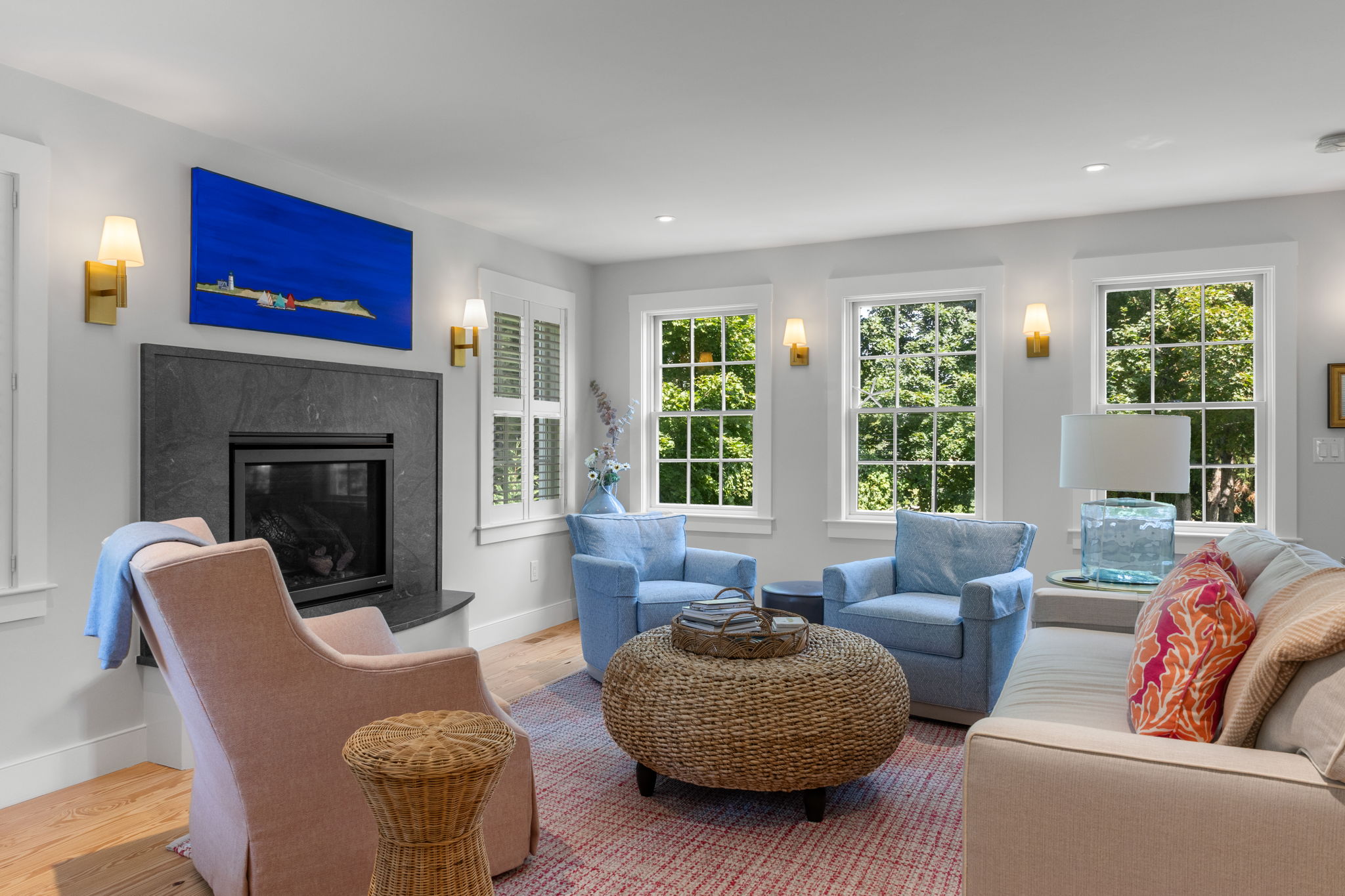
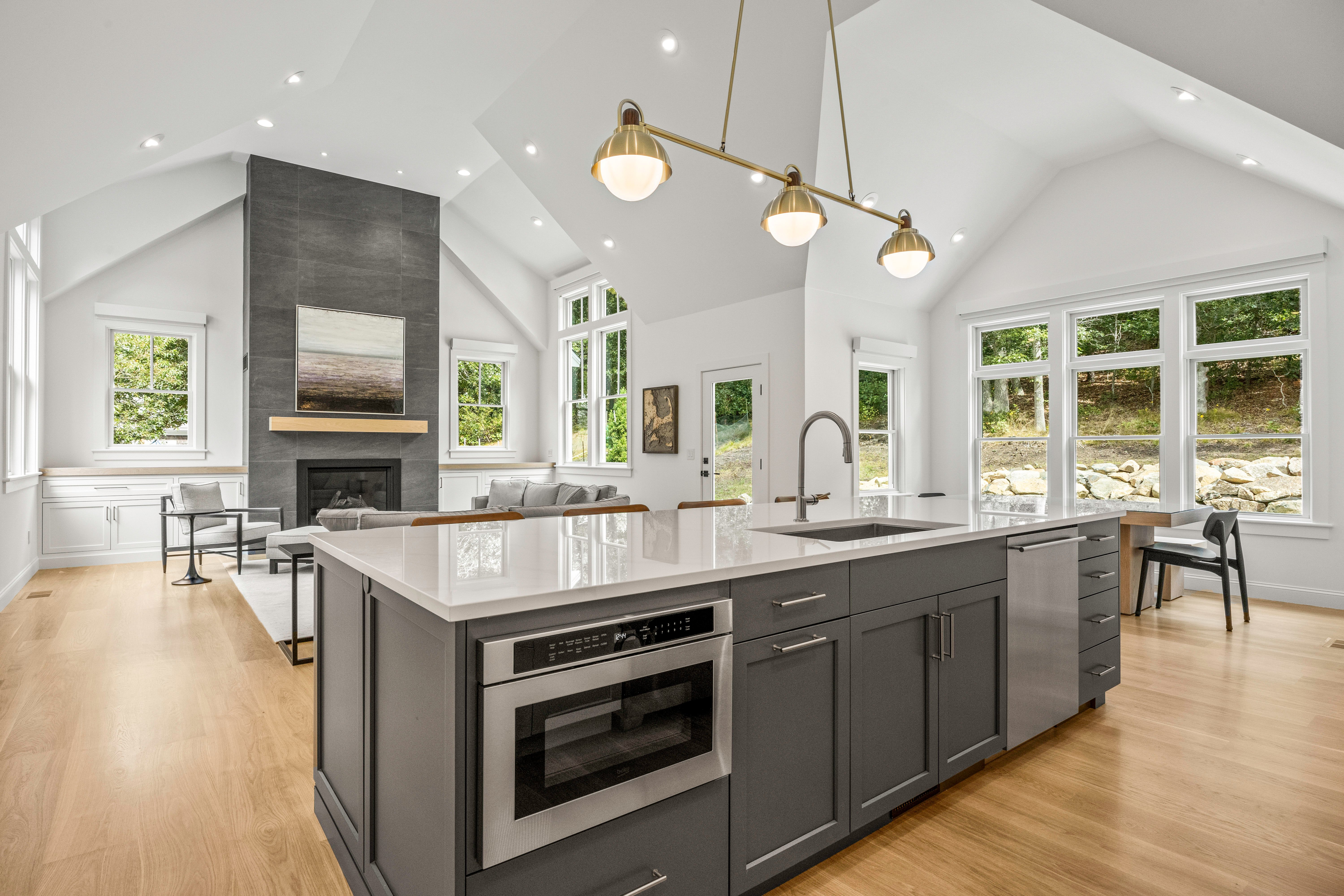
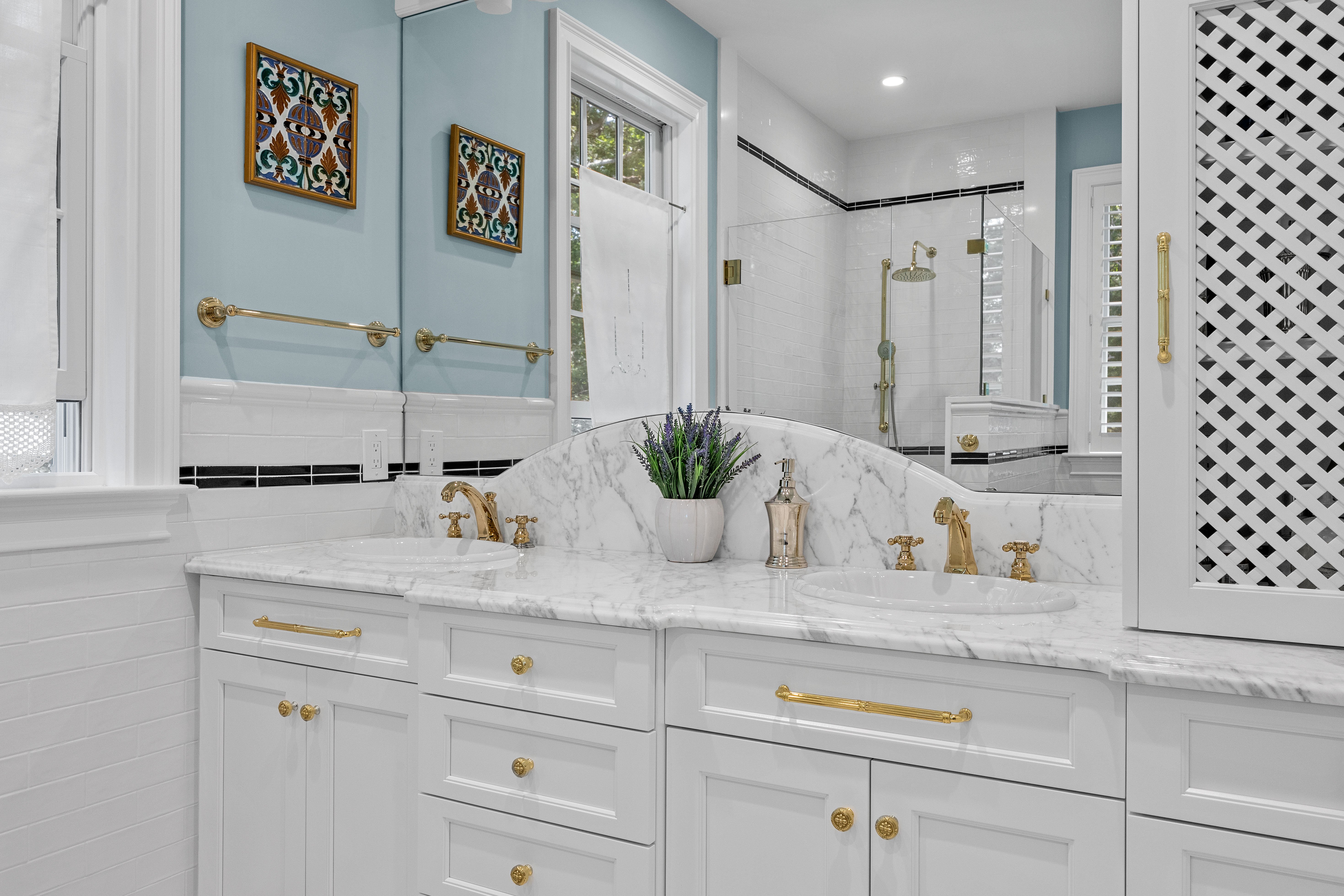
Cabinetry. Countertops. Plumbing fixtures. Tile. Lighting. Appliances. Windows. Hardware.
For many homeowners, selections are the most enjoyable part of creating a custom home. It's where the house begins to feel like your house.
It's also where many projects quietly drift off course.
When finish decisions are postponed until construction is underway, pricing becomes less reliable, schedules become harder to protect, and choices that should be exciting start to feel rushed.
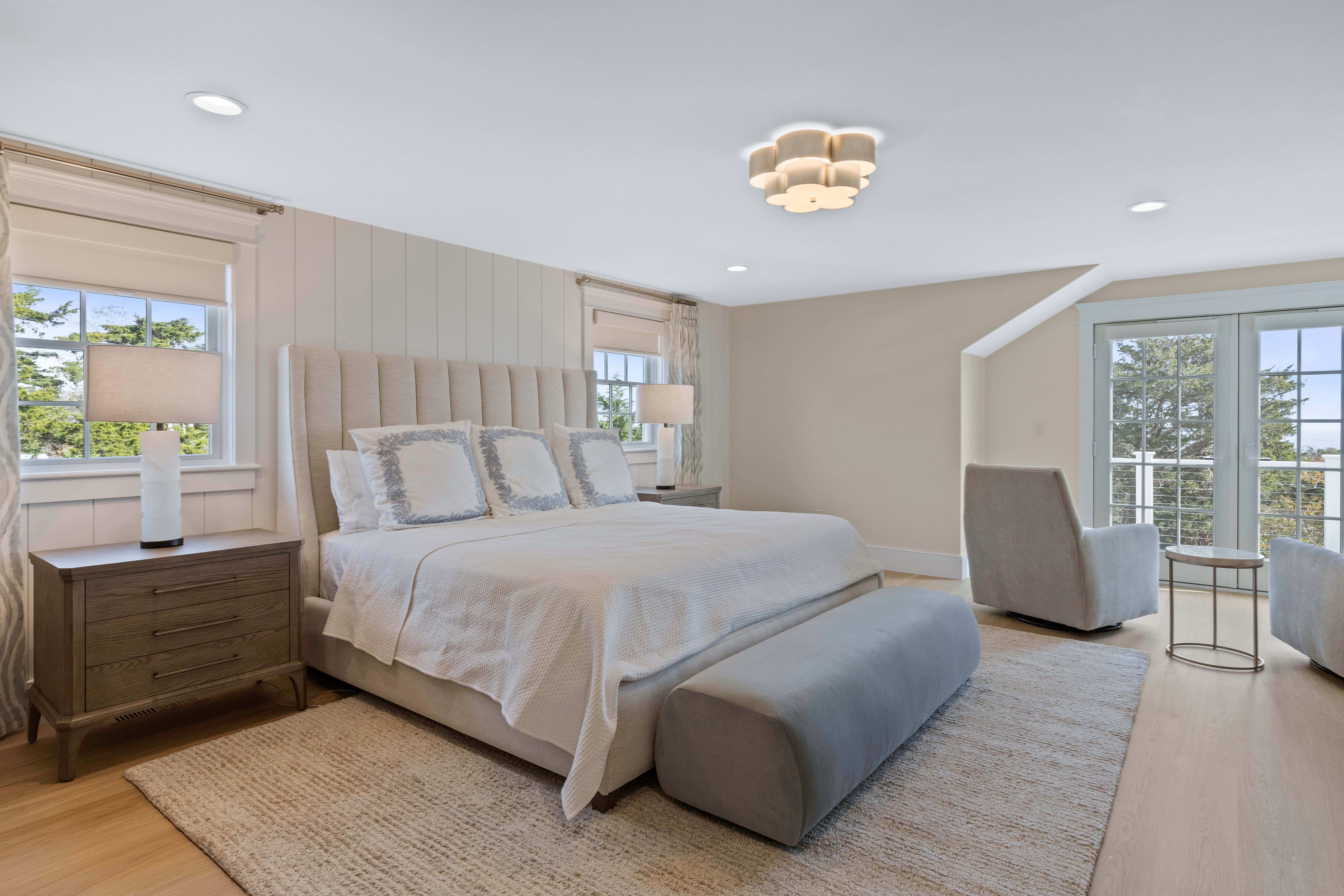
The most successful custom homes treat selections as part of planning—not as something to figure out later.
In Part 3 of this series, we looked at how pre-construction planning turns a design into a coordinated, buildable project. Selections are one of the most important pieces of that work.
What Do We Mean by "Selections"?
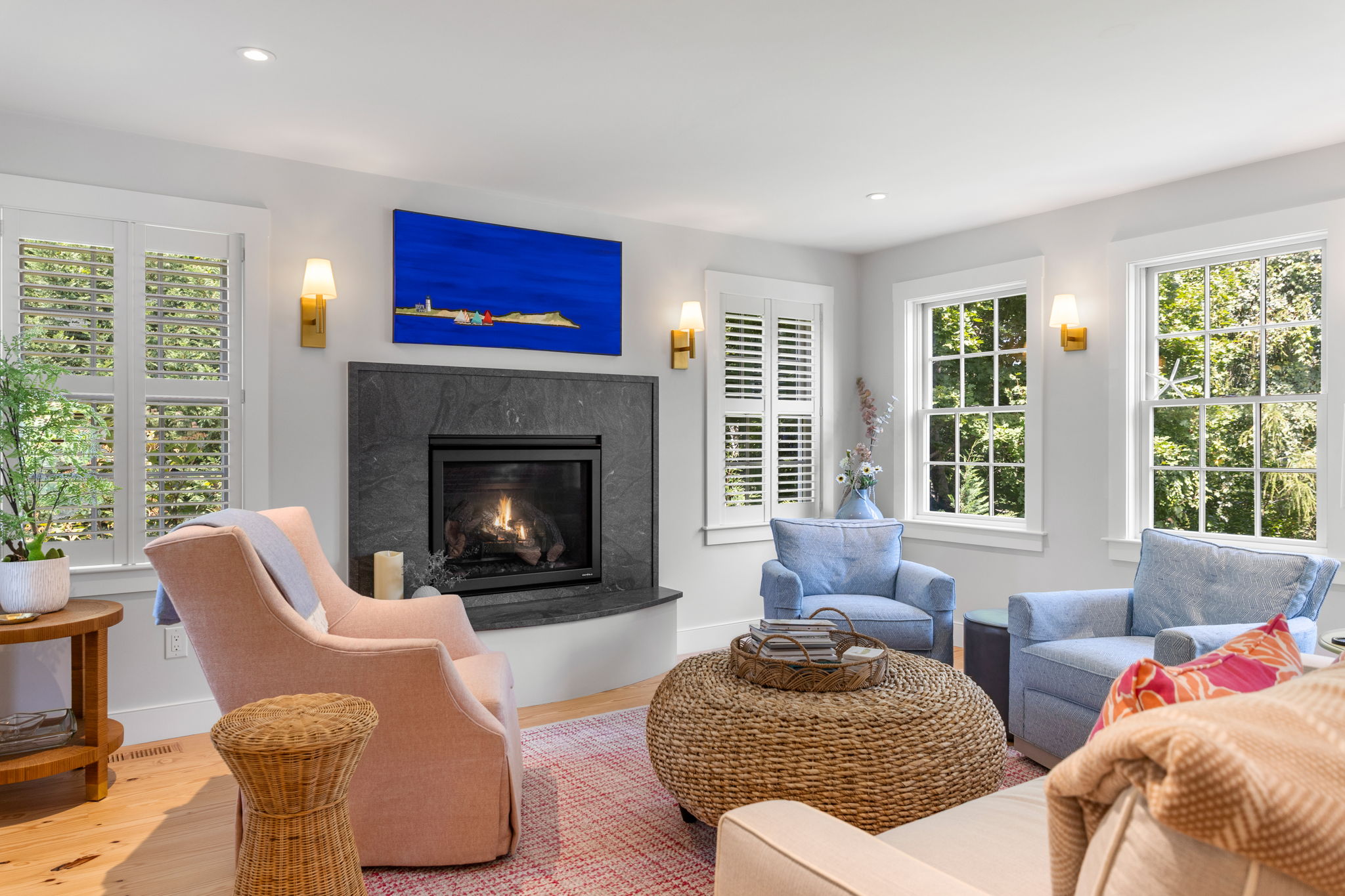
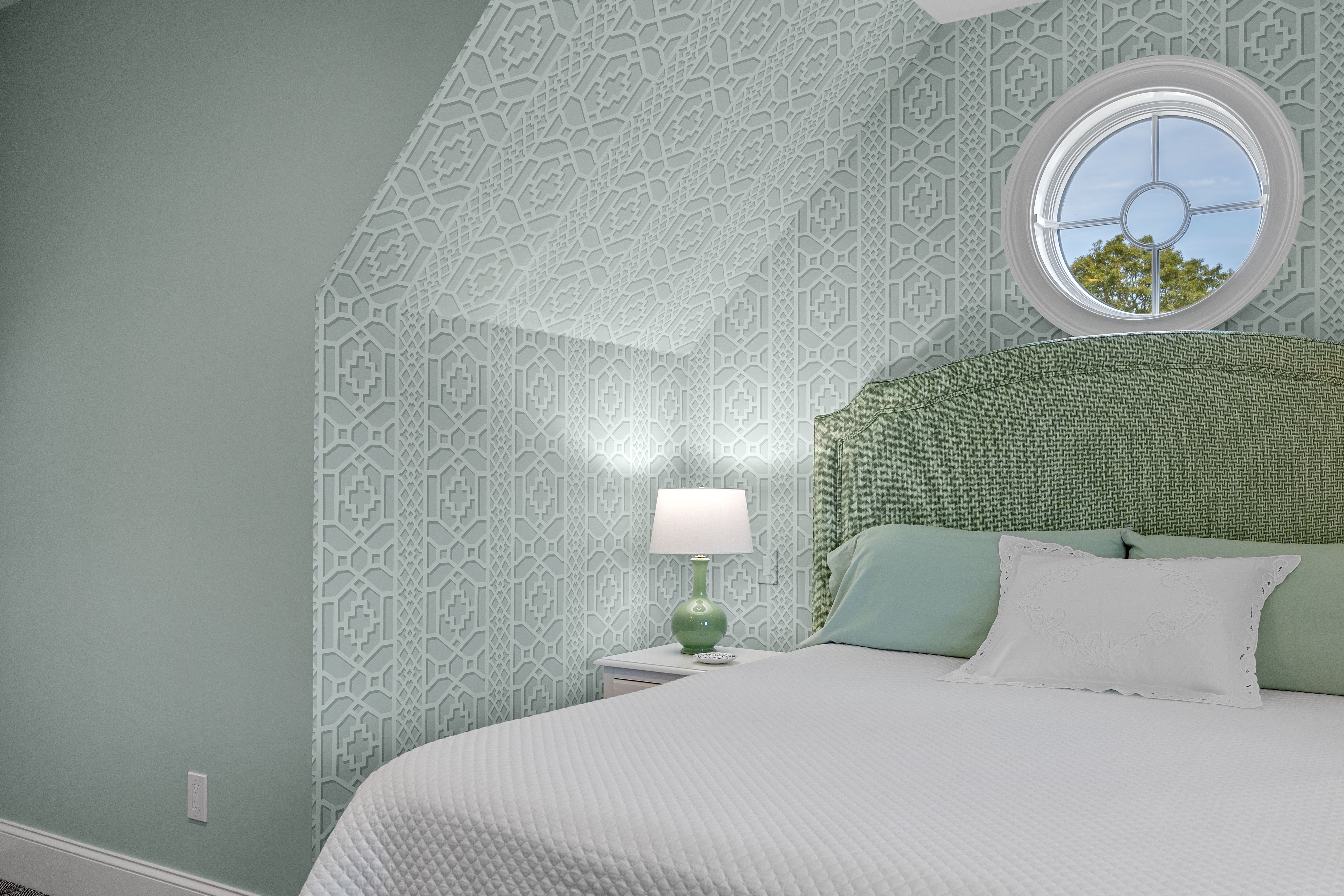
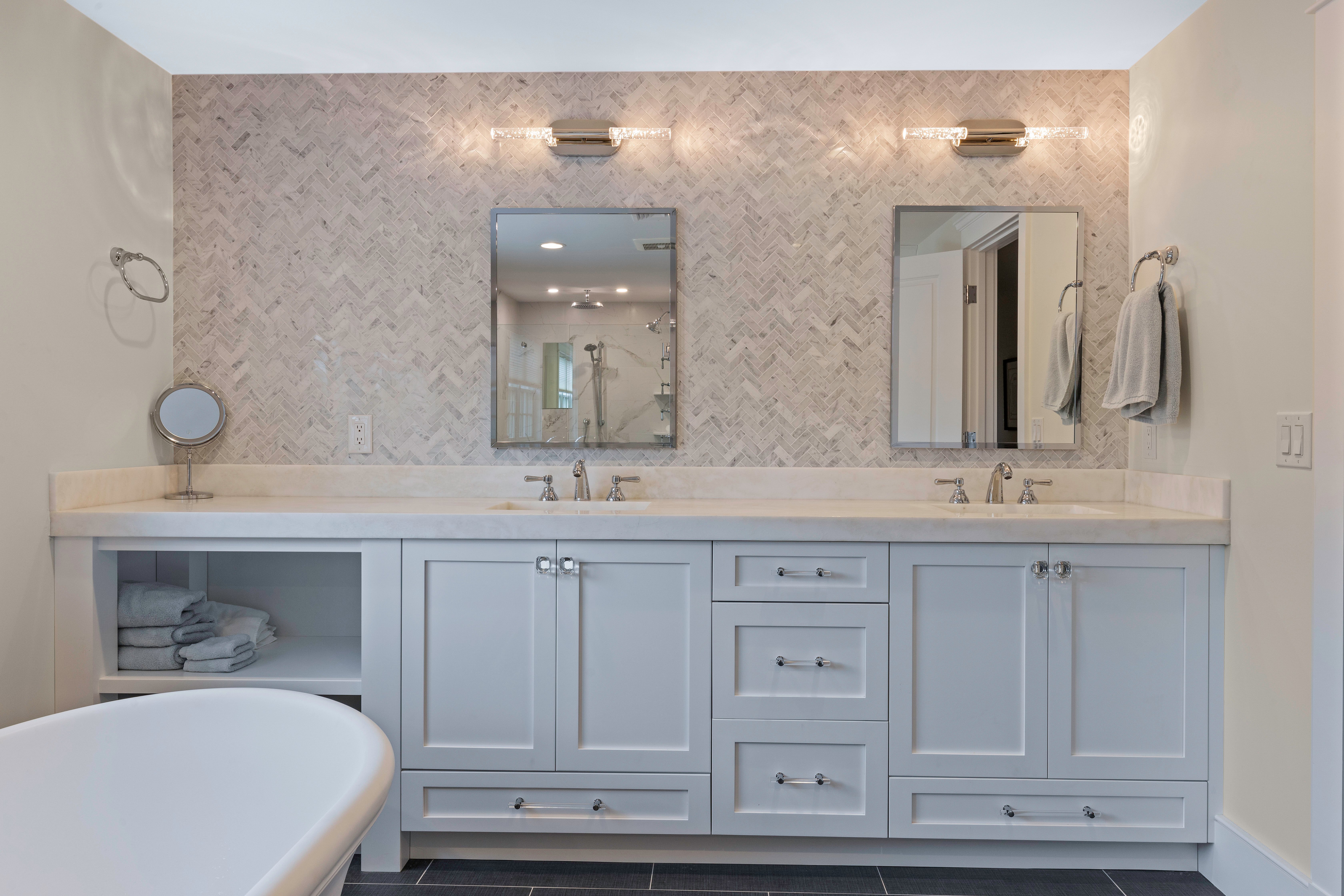
Selections include nearly every product and finish you will see and touch in your finished home, including:
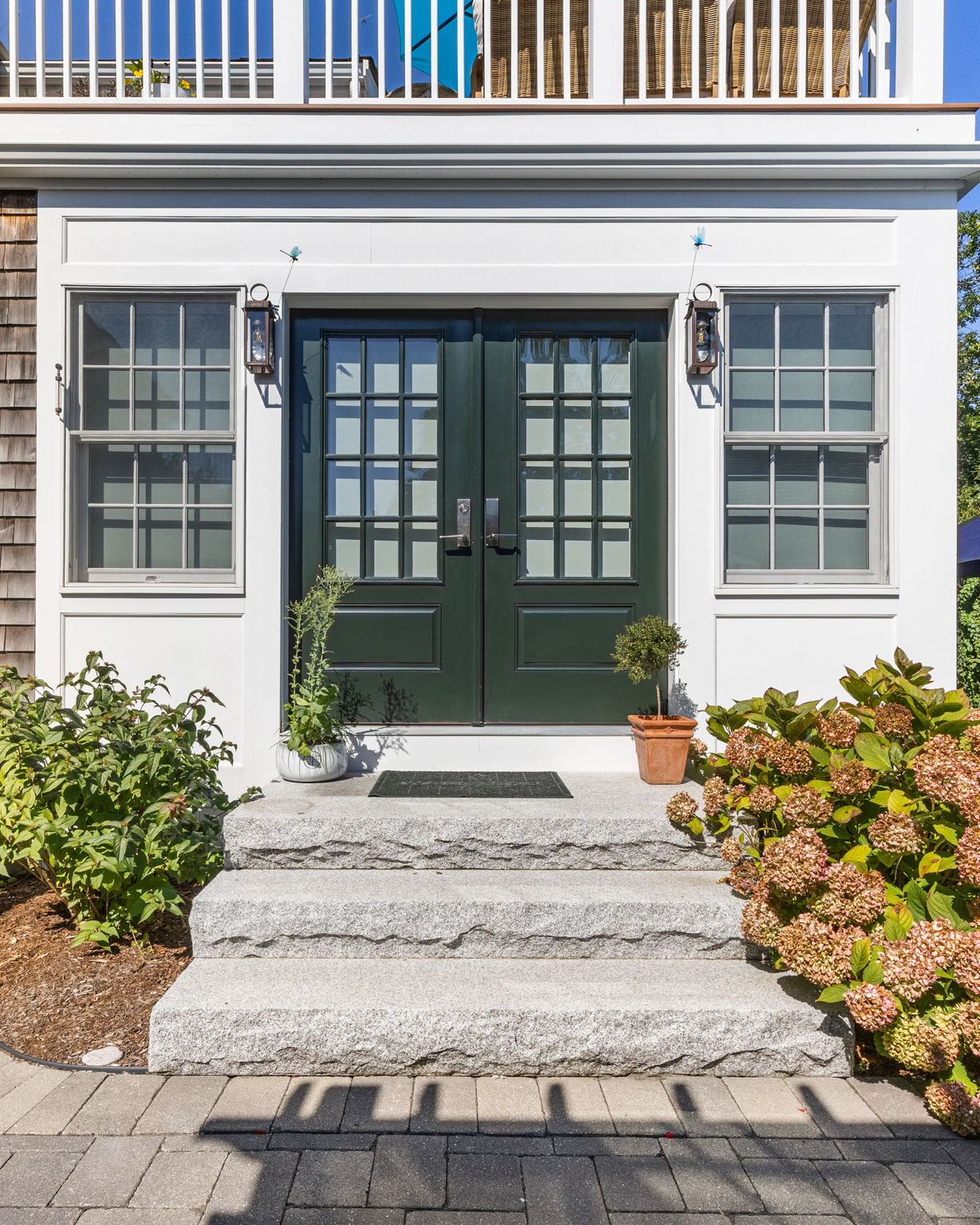
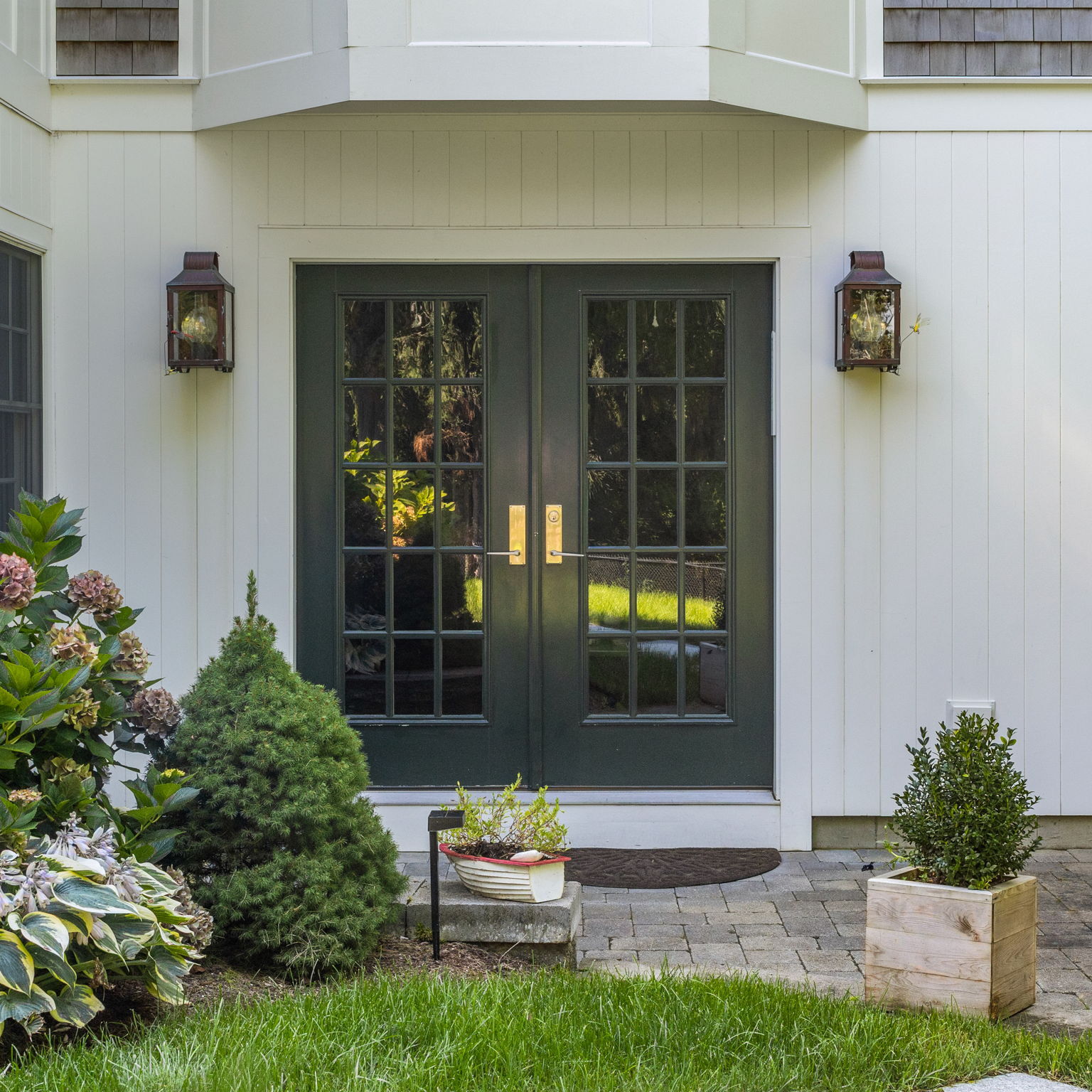
- Windows and exterior doors
- Roofing, siding, and exterior trim
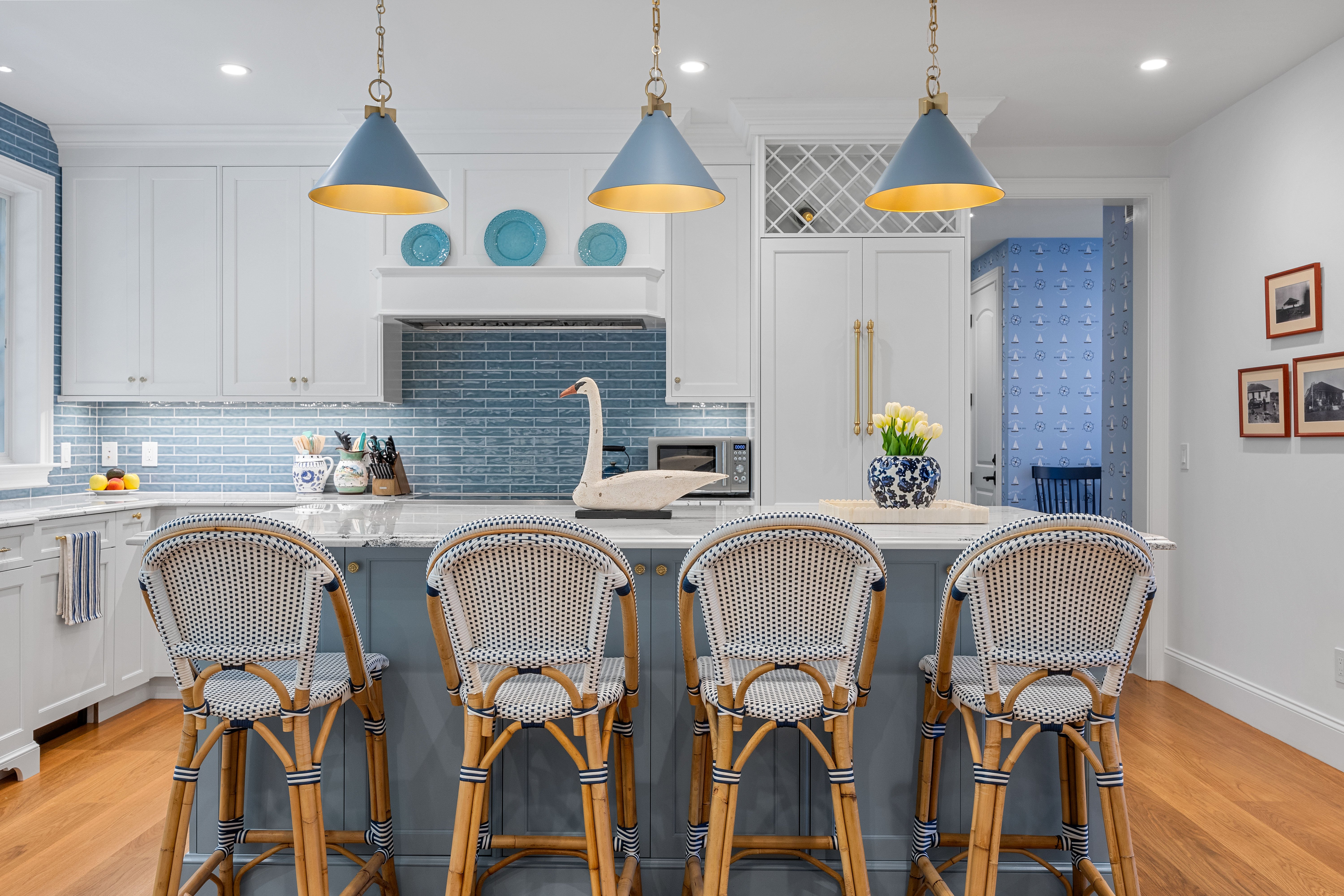
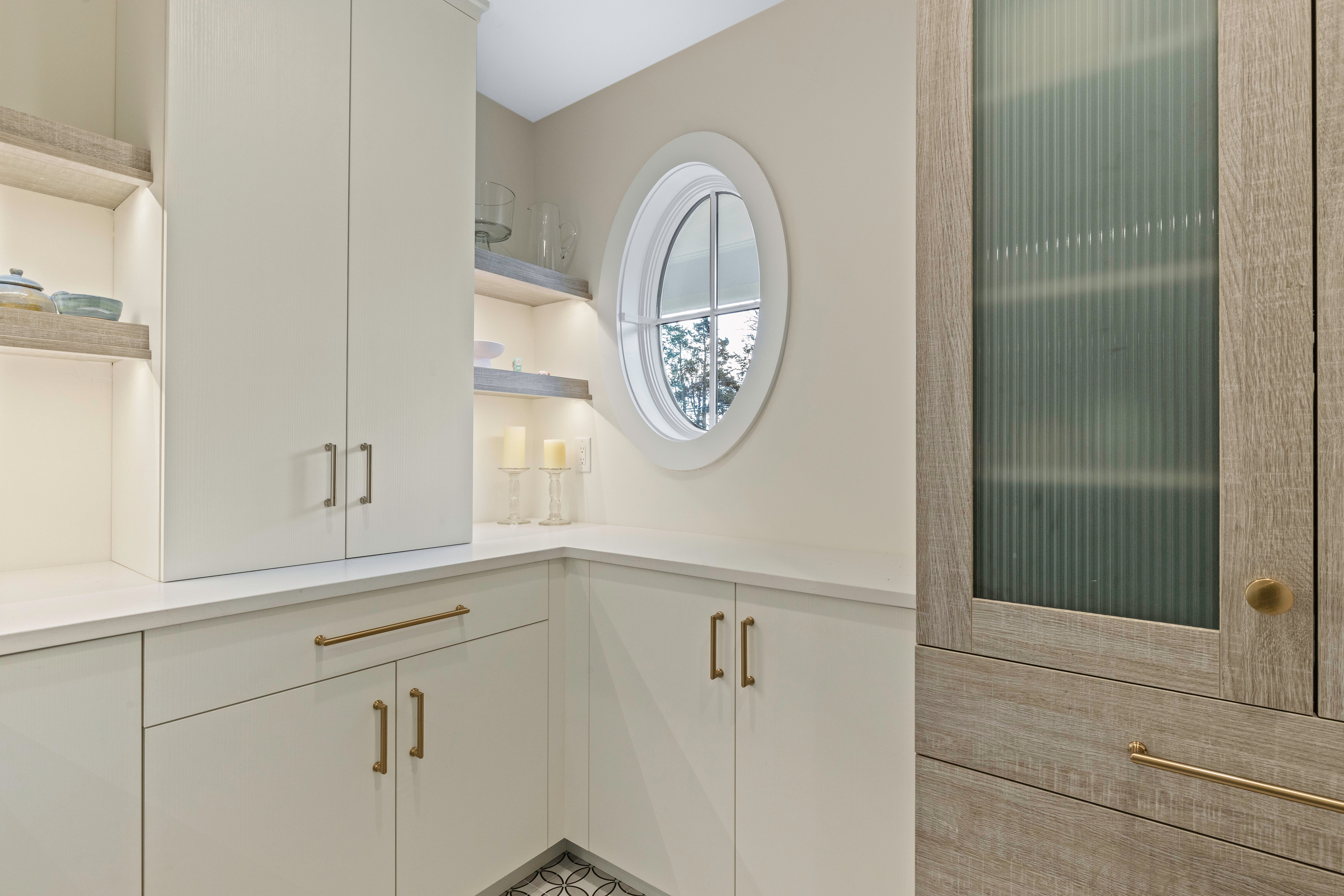
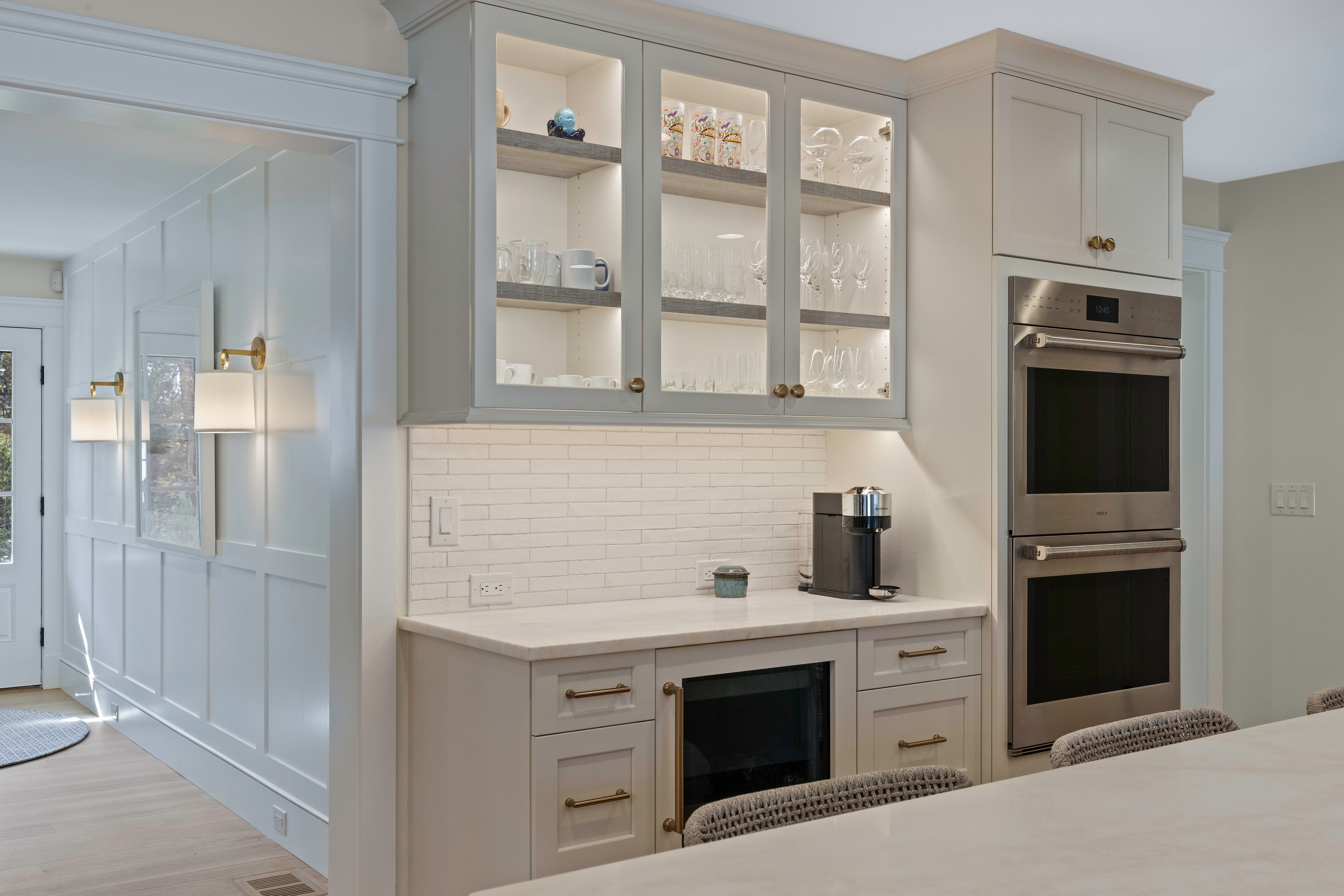
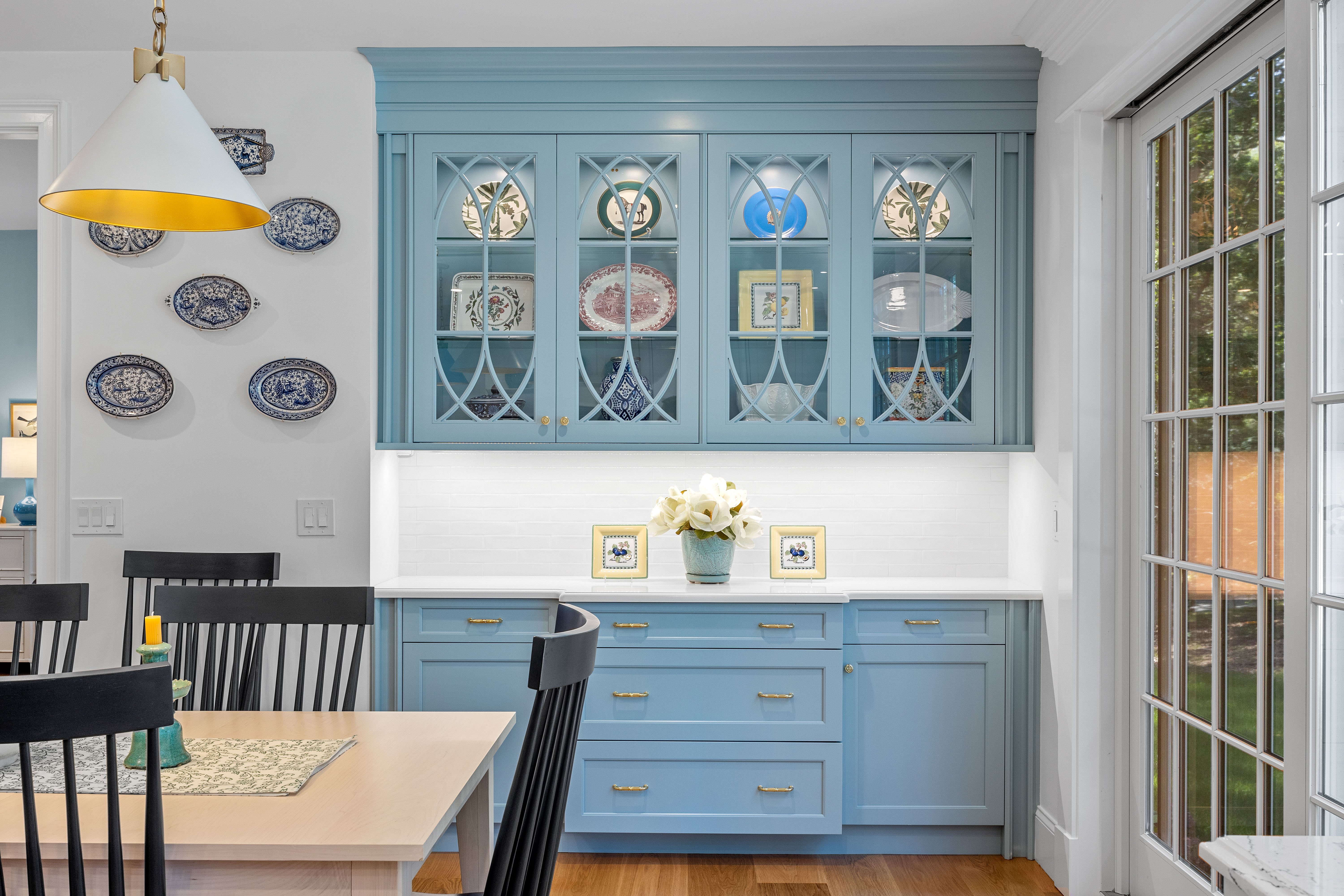
- Cabinetry and built-ins
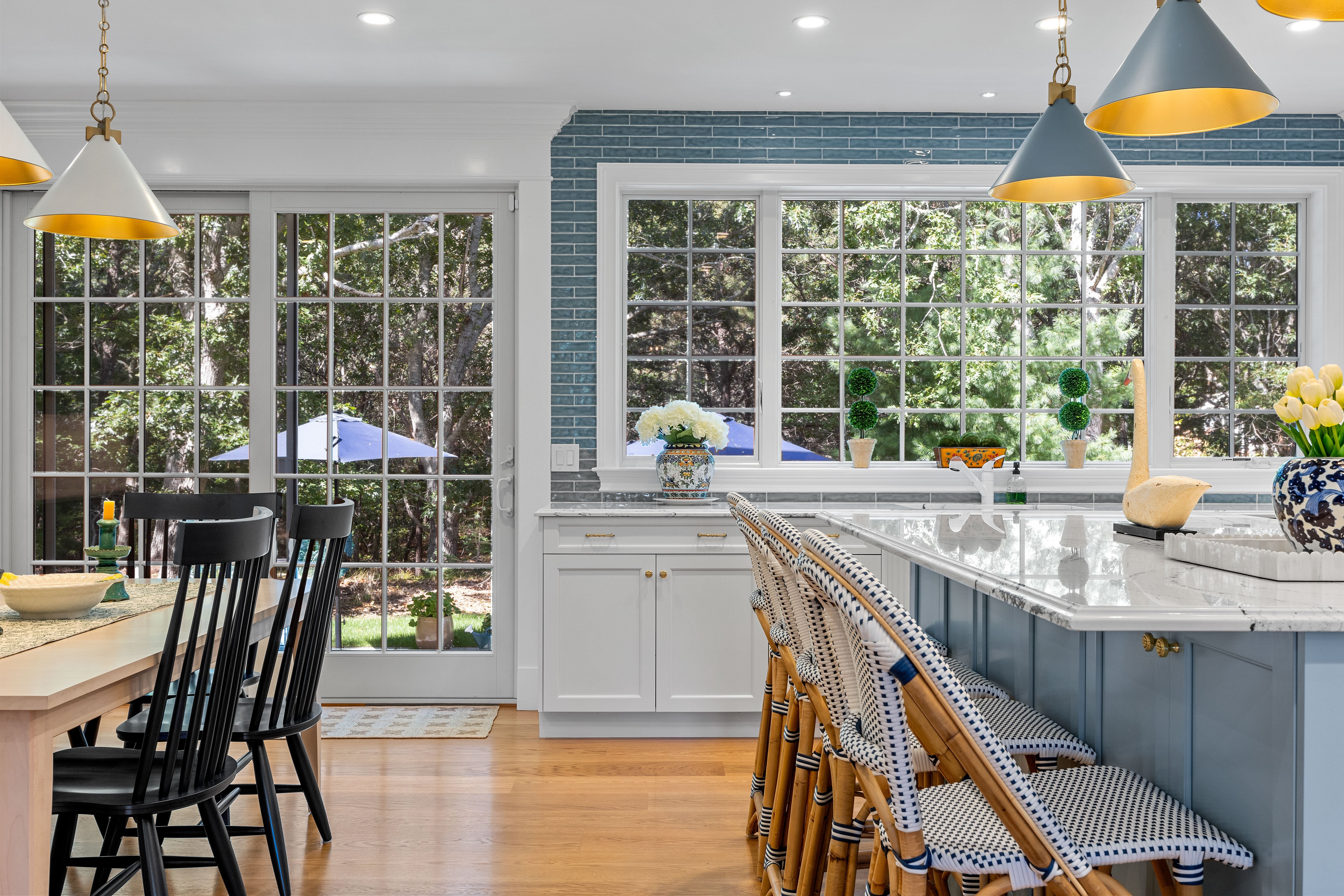
- Countertops and backsplashes
- Appliances and ventilation
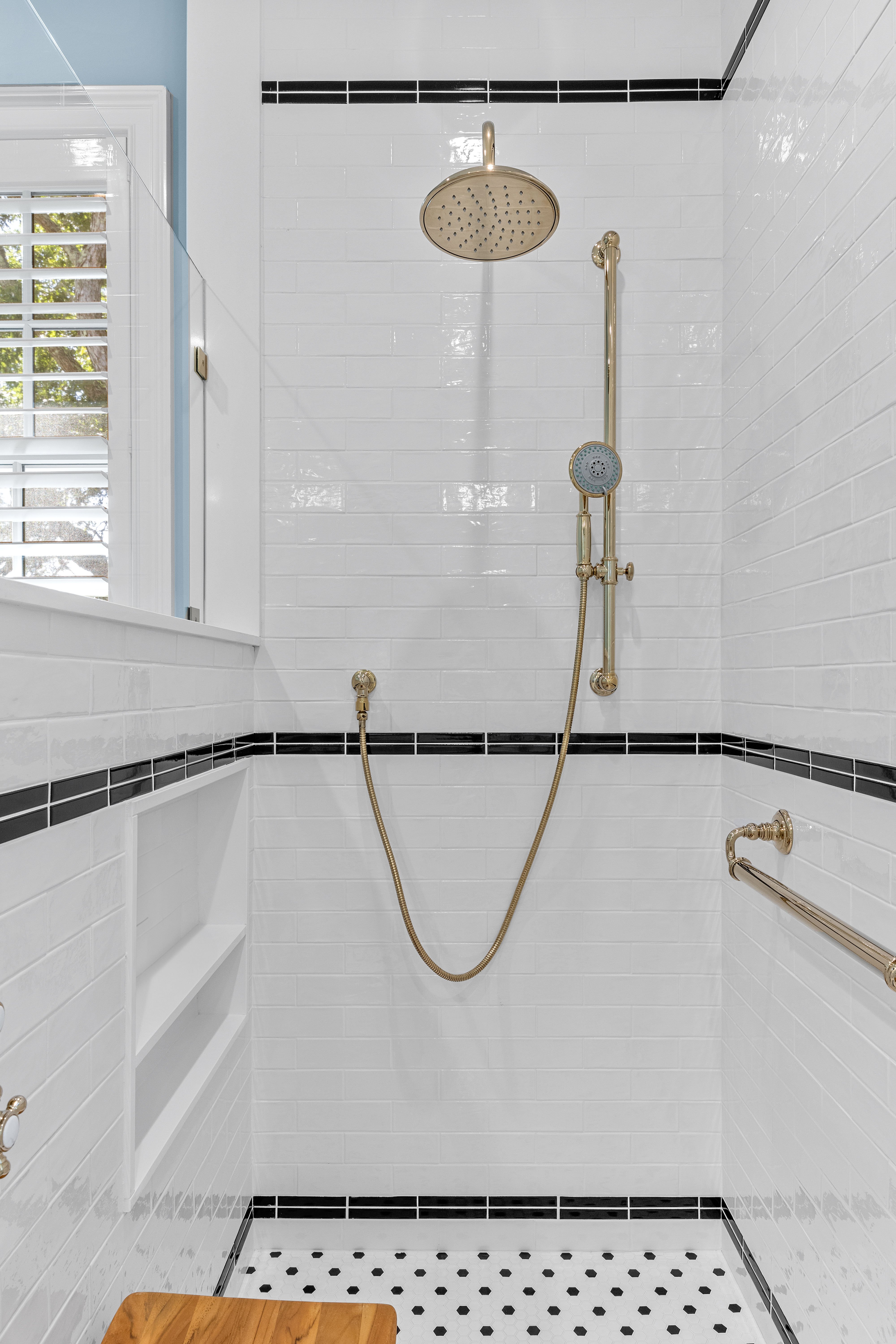
- Plumbing fixtures, tubs, and shower systems
- Tile and flooring
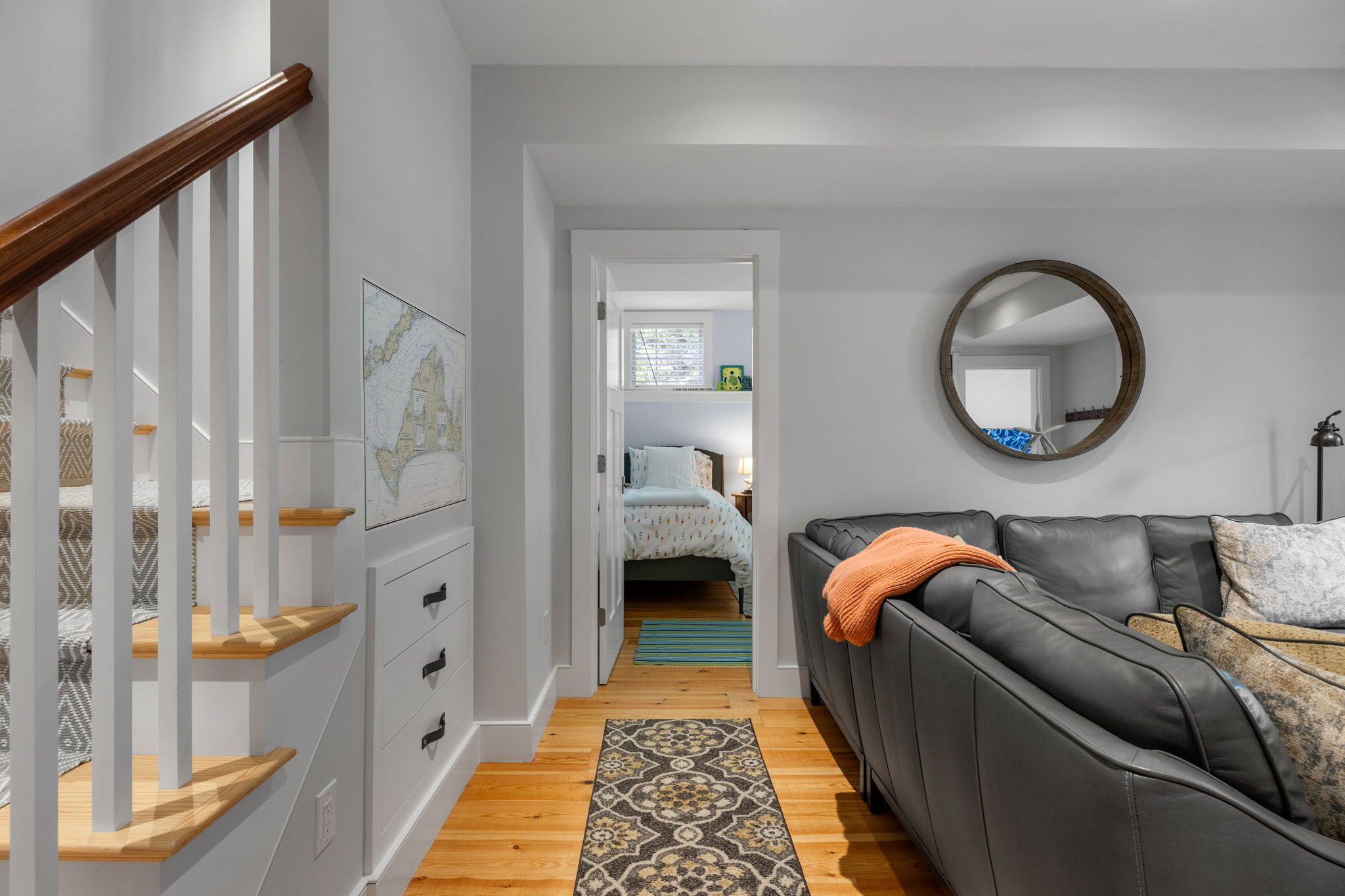
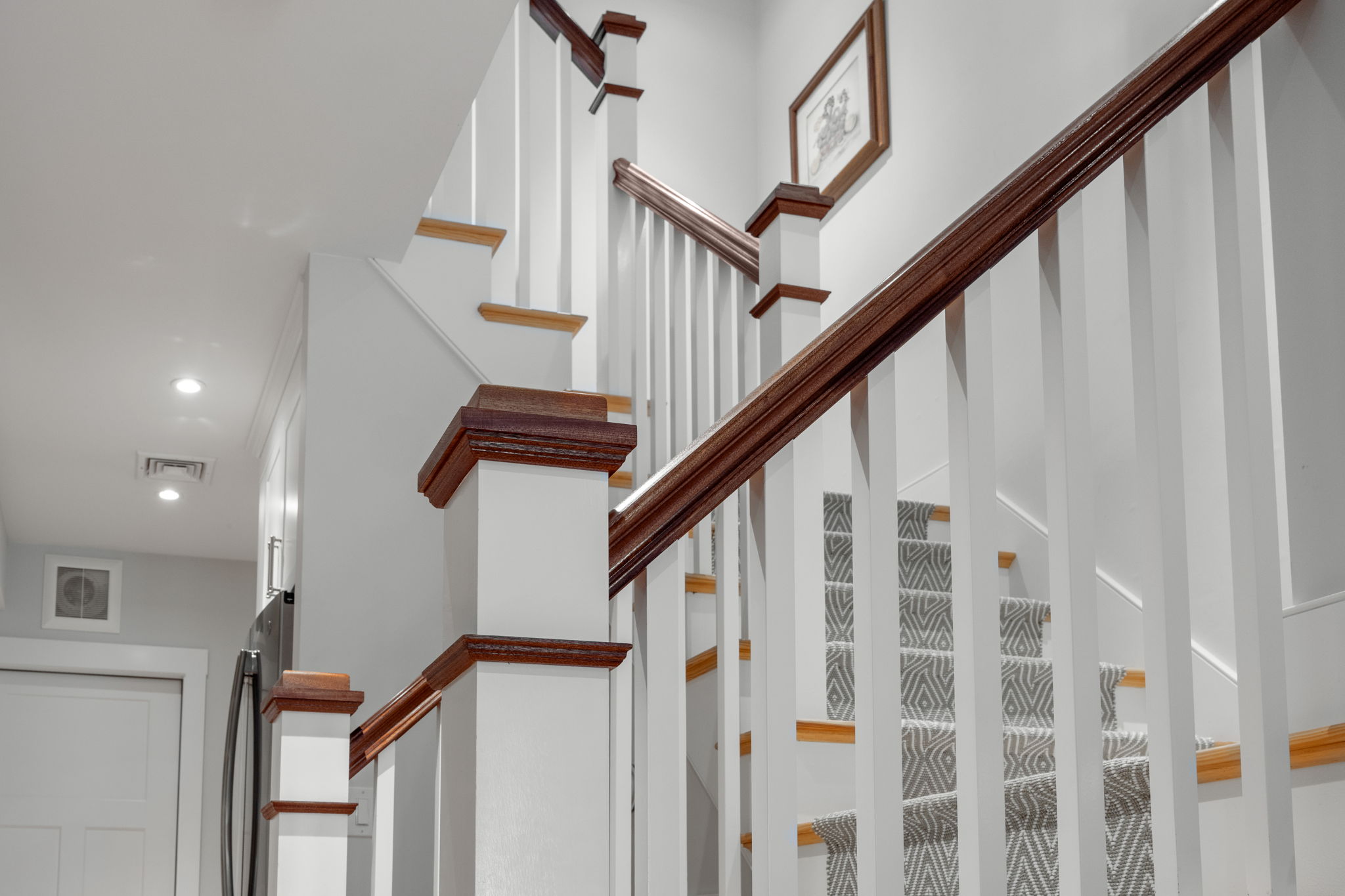
- Interior doors, trim, and stair details
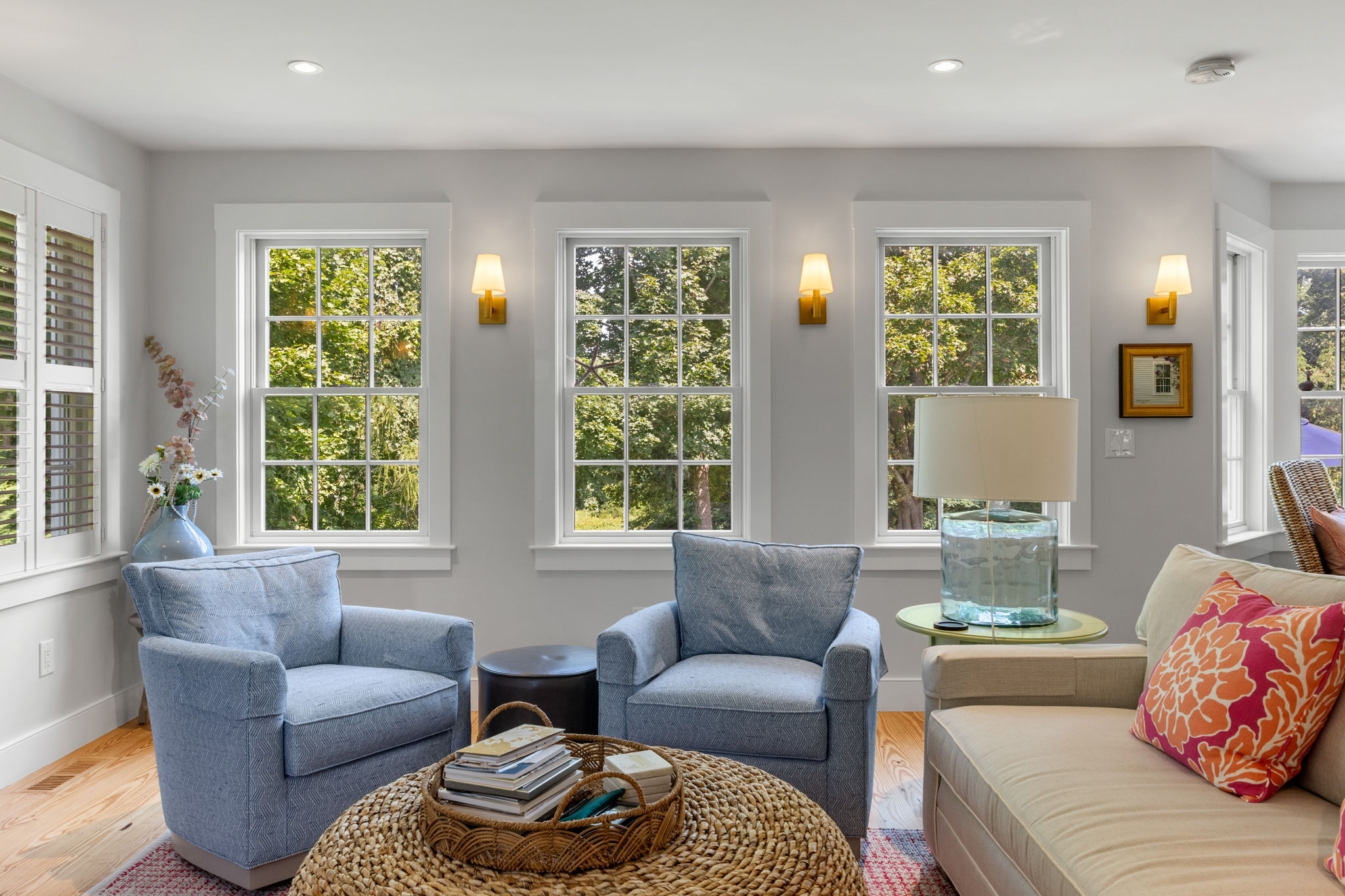
- Lighting fixtures and controls
- Hardware, paint colors, and specialty finishes
Individually, each is a design decision. Together, they have a significant influence on the cost, schedule, and character of the home.
Why Early Selections Lead to More Meaningful Pricing
Every custom home budget includes assumptions about the products that will be installed.
When selections haven't been made, those assumptions are typically carried as allowances—estimated amounts set aside for items that will be chosen later.
Allowances are useful, but they are only estimates.
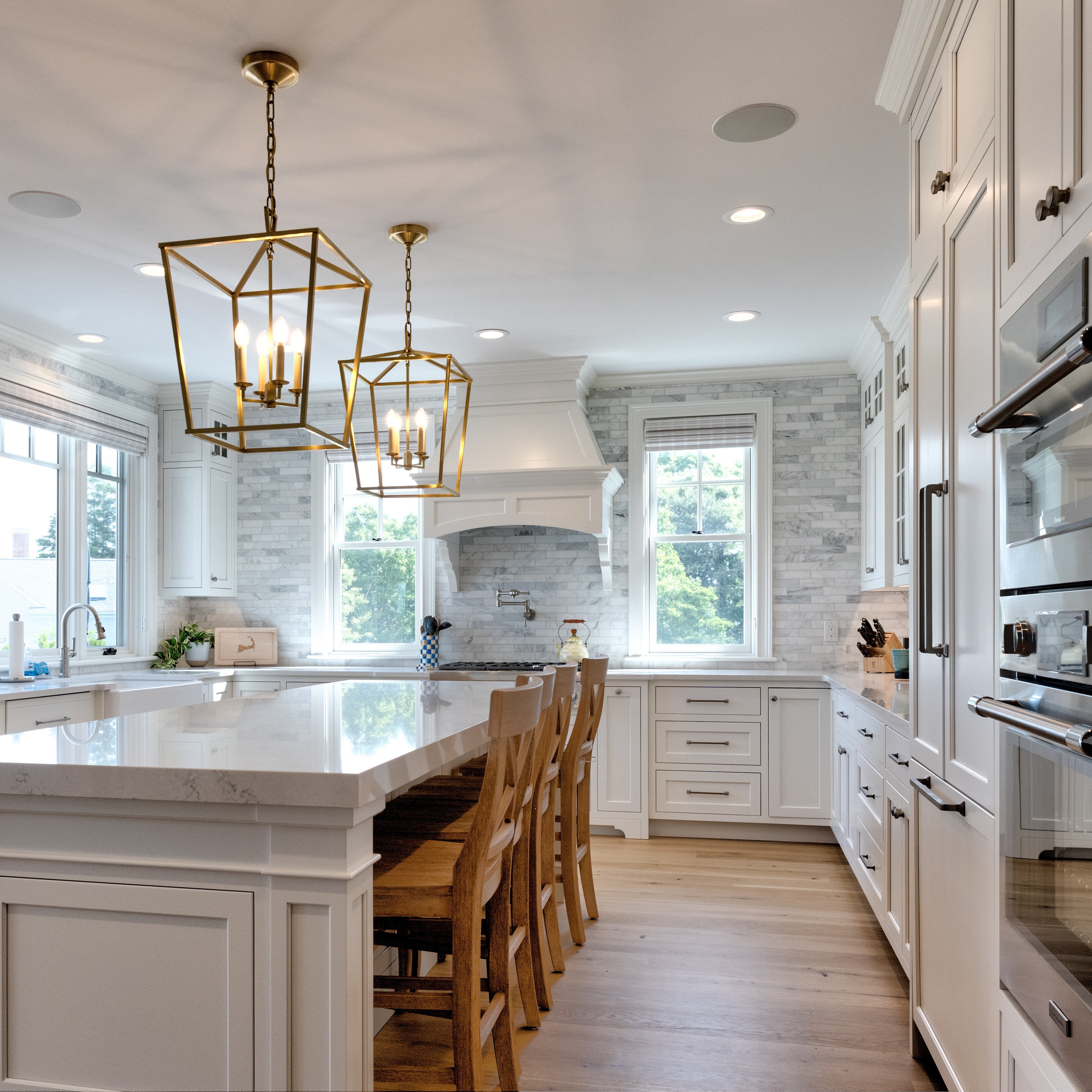
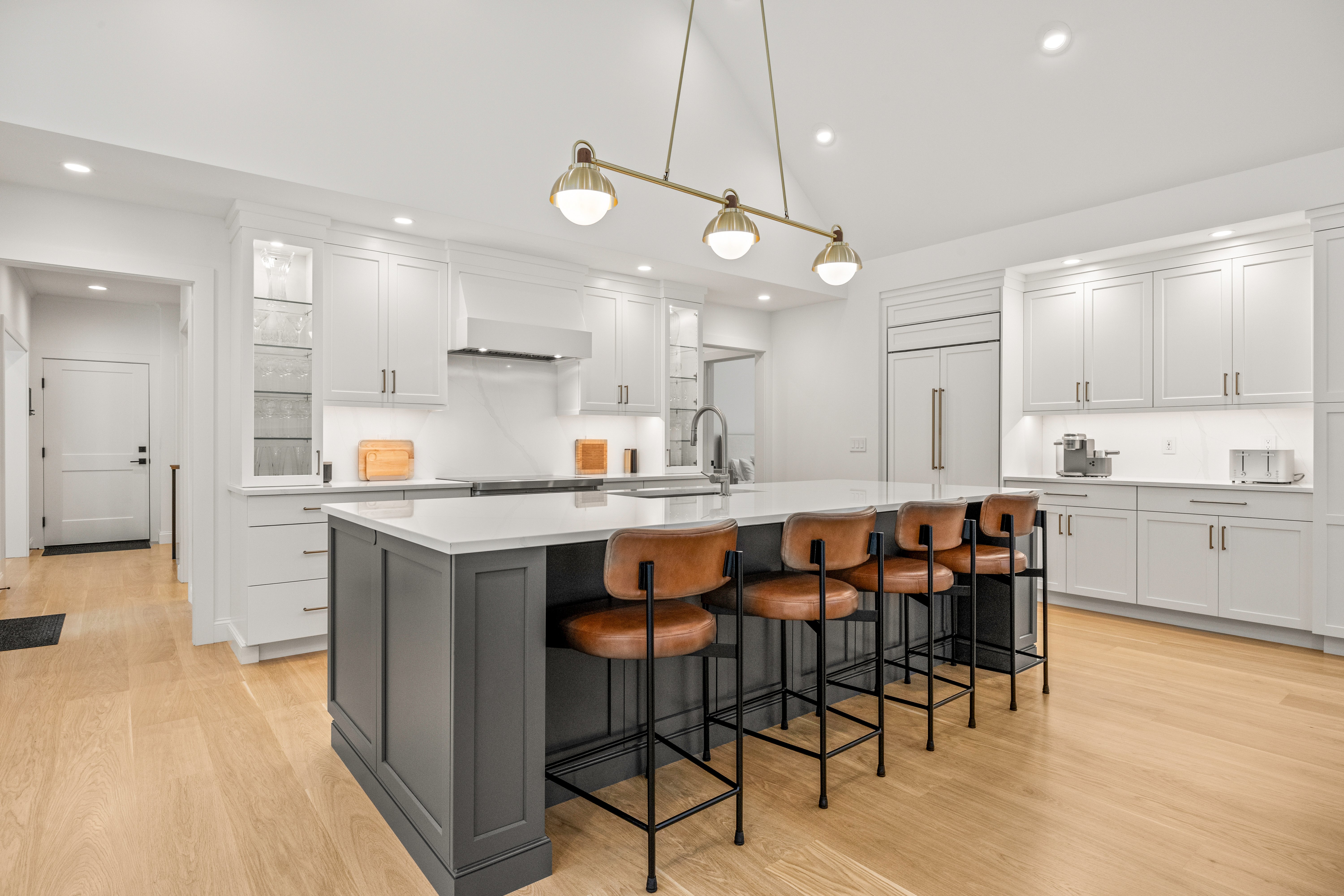
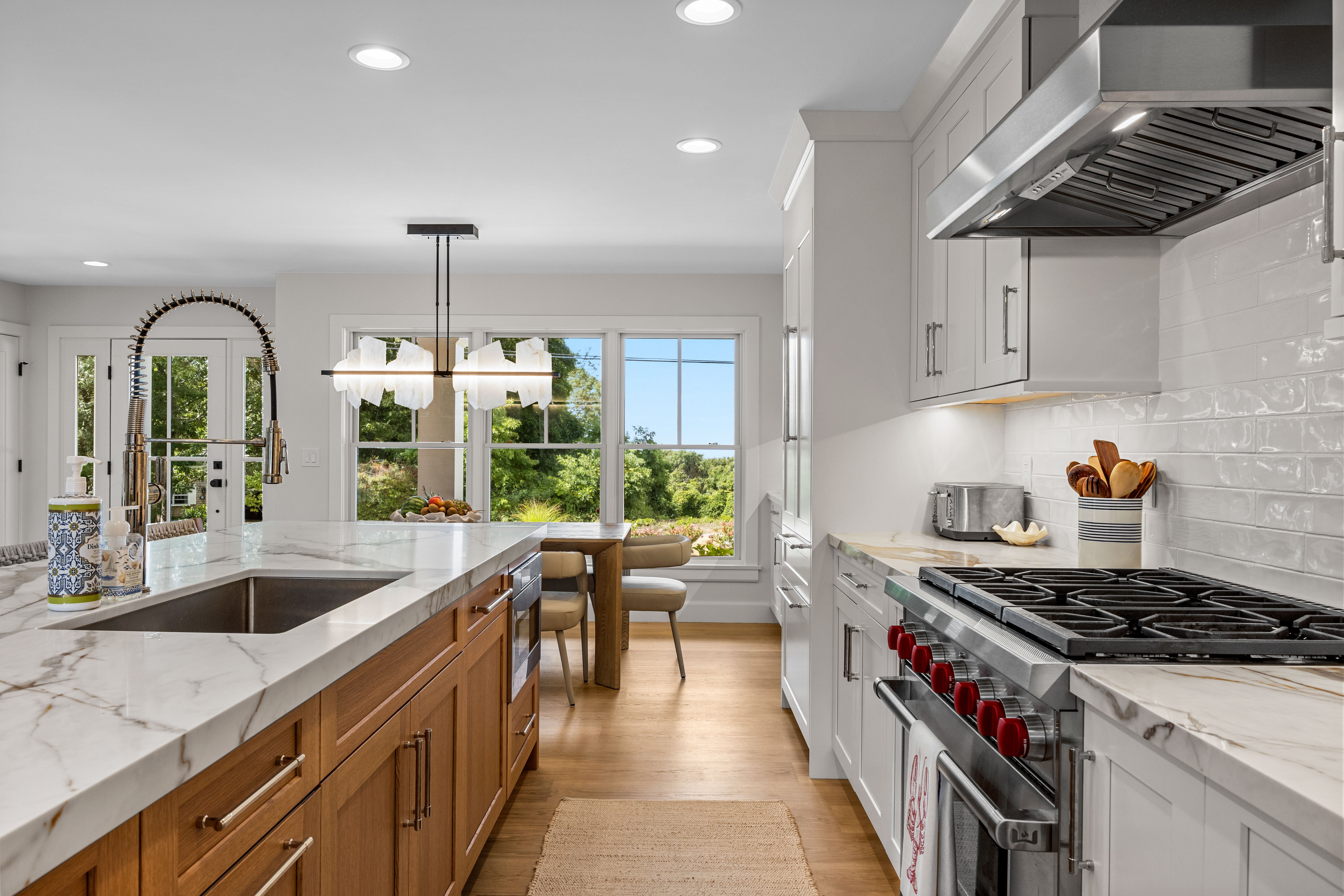
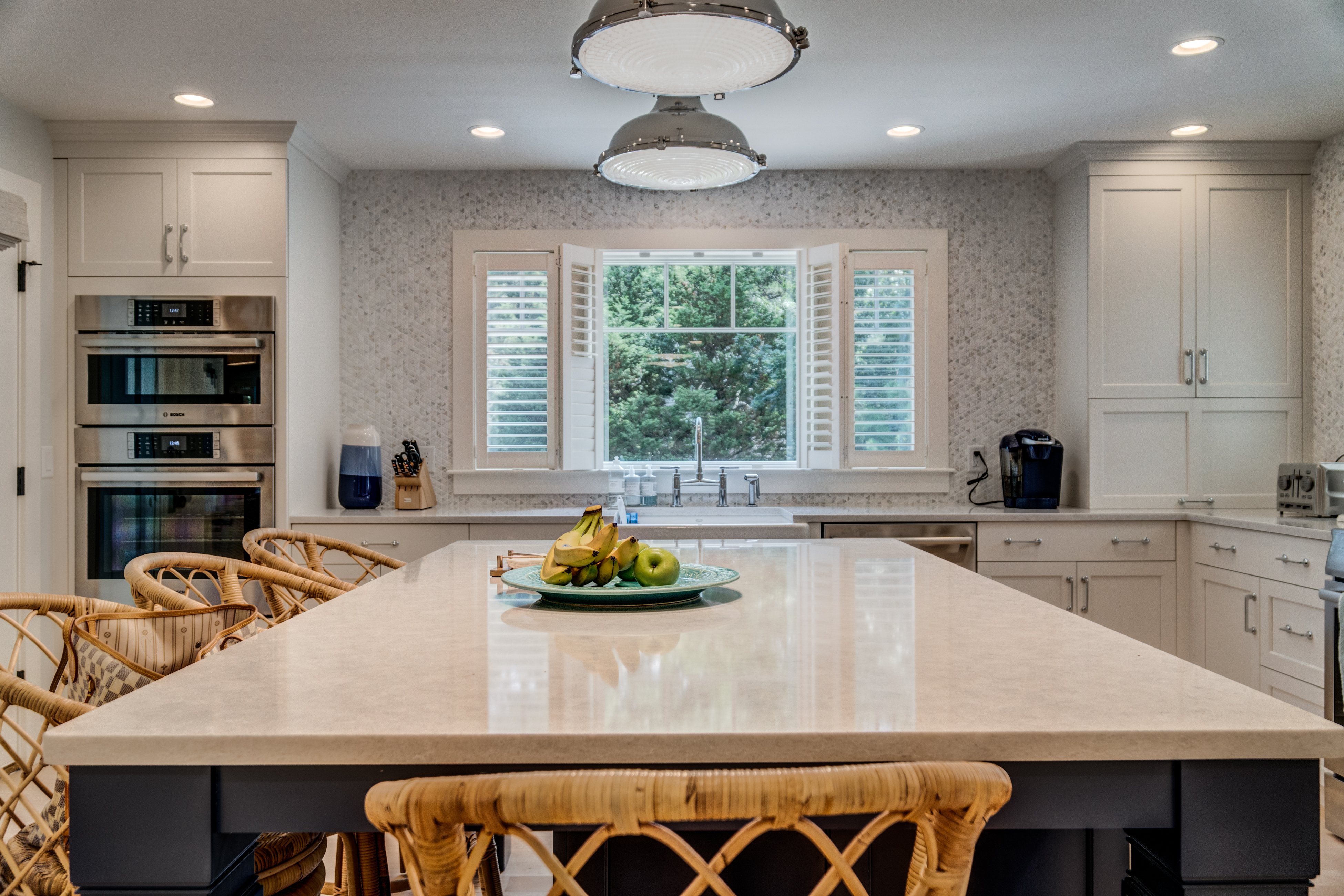
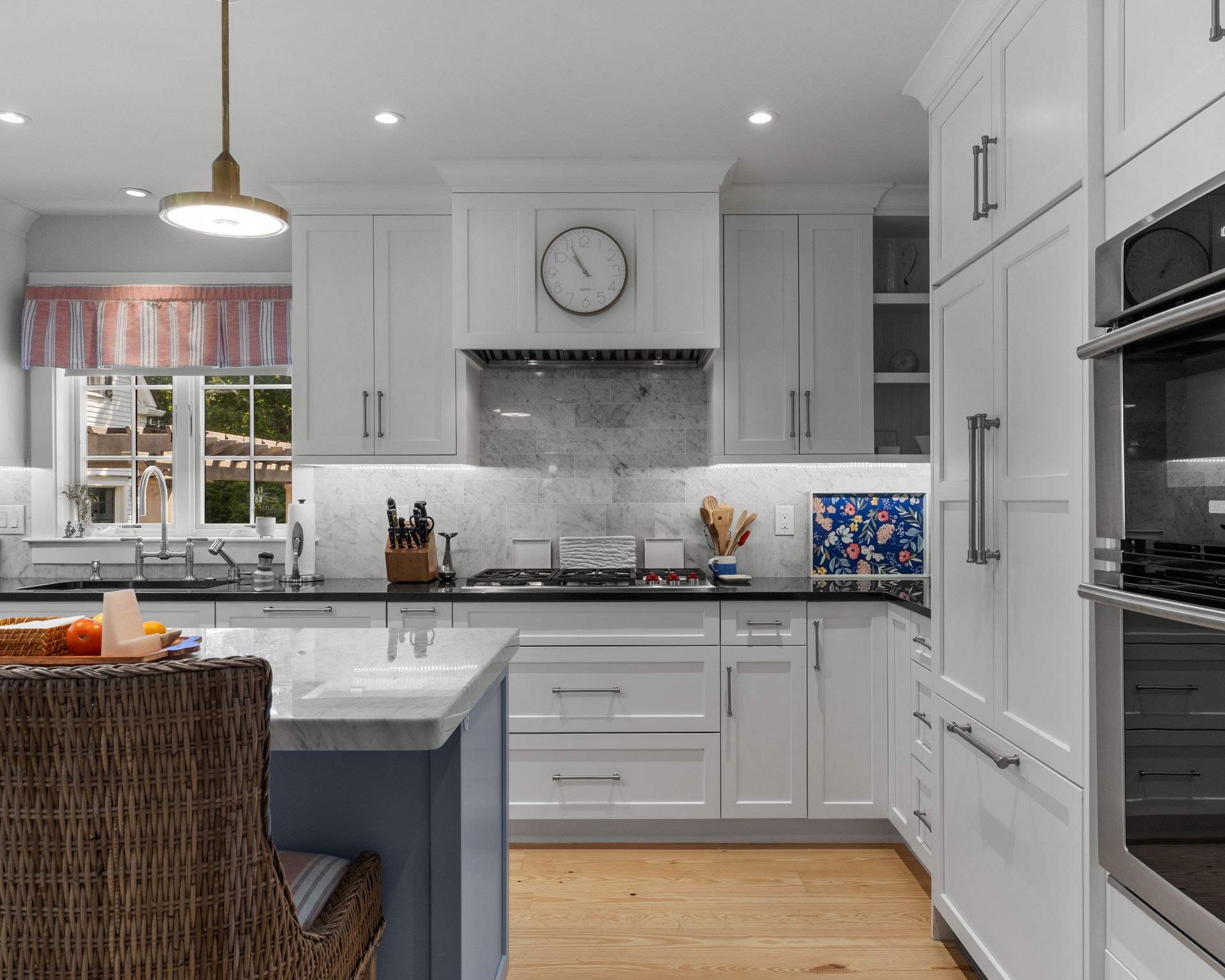
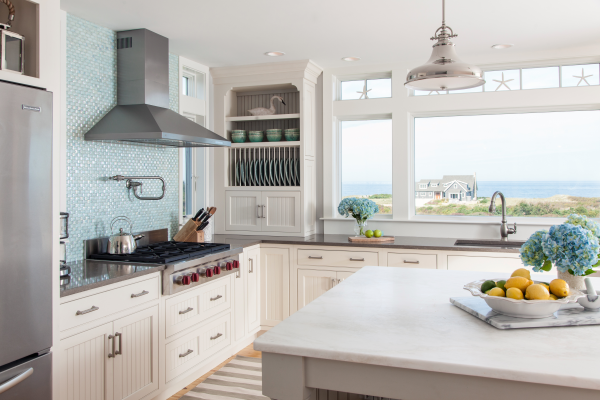
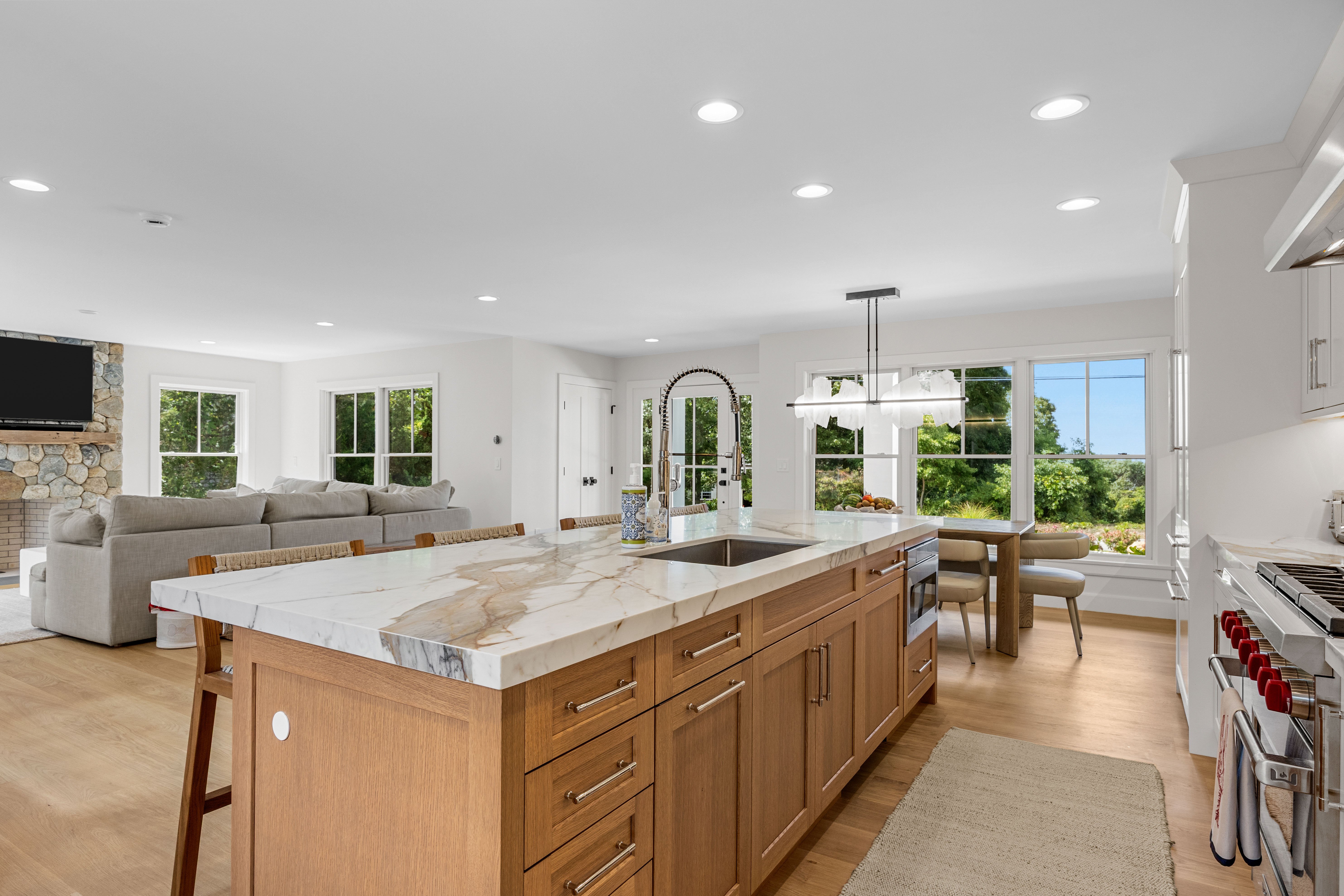
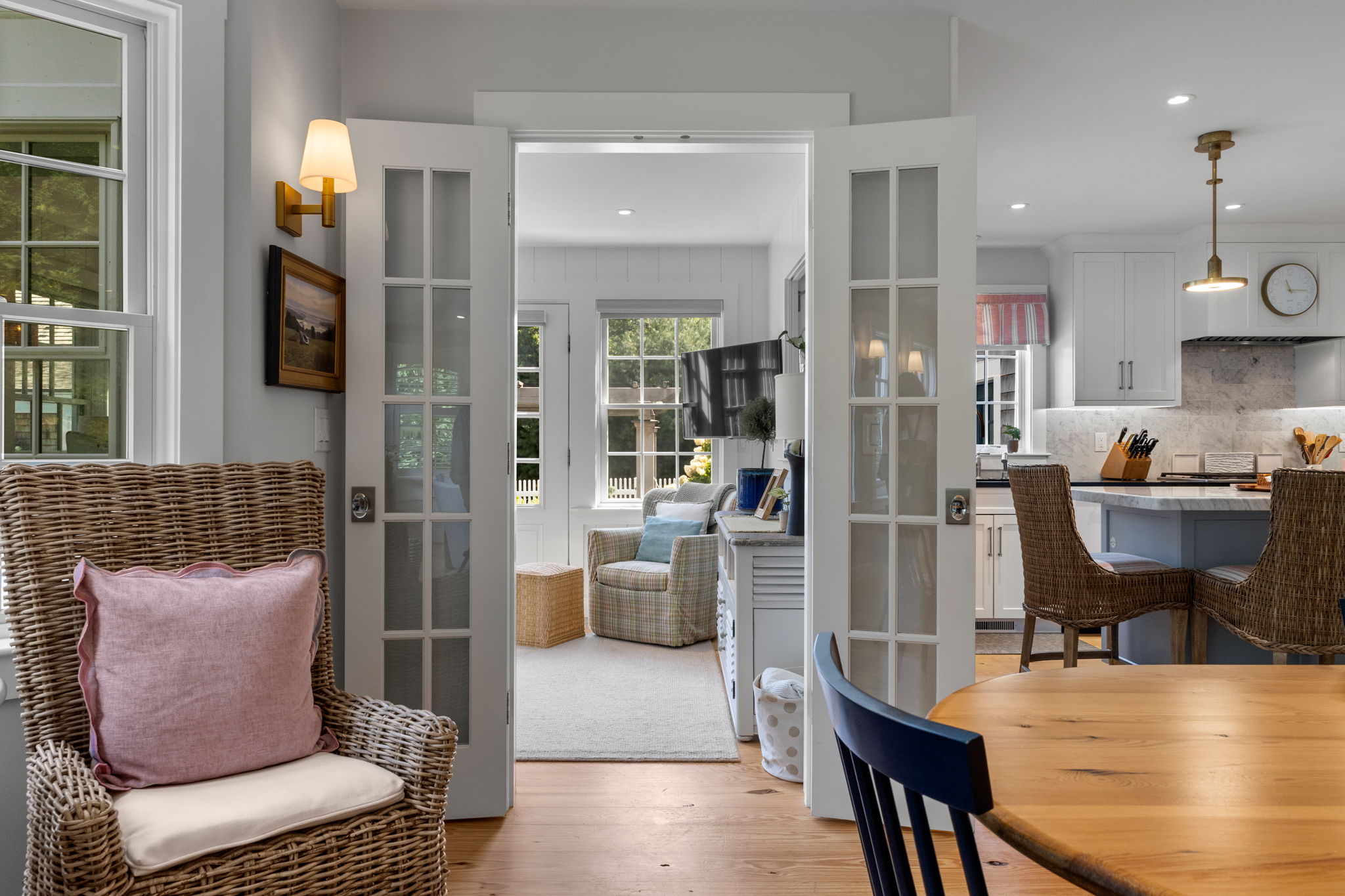
Consider the difference between two kitchens that look similar on a floor plan. One has semi-custom cabinetry, quartz countertops, and a standard appliance package. The other has fully custom inset cabinetry, natural stone, a professional range with a custom hood, and integrated refrigeration. The square footage is the same. The investment is not.
The same is true throughout the home—in bathrooms, lighting, flooring, windows, and millwork.
The more selections that are defined before construction pricing is finalized, the more closely the budget reflects the home you actually intend to build.
Early selections replace assumptions with decisions.
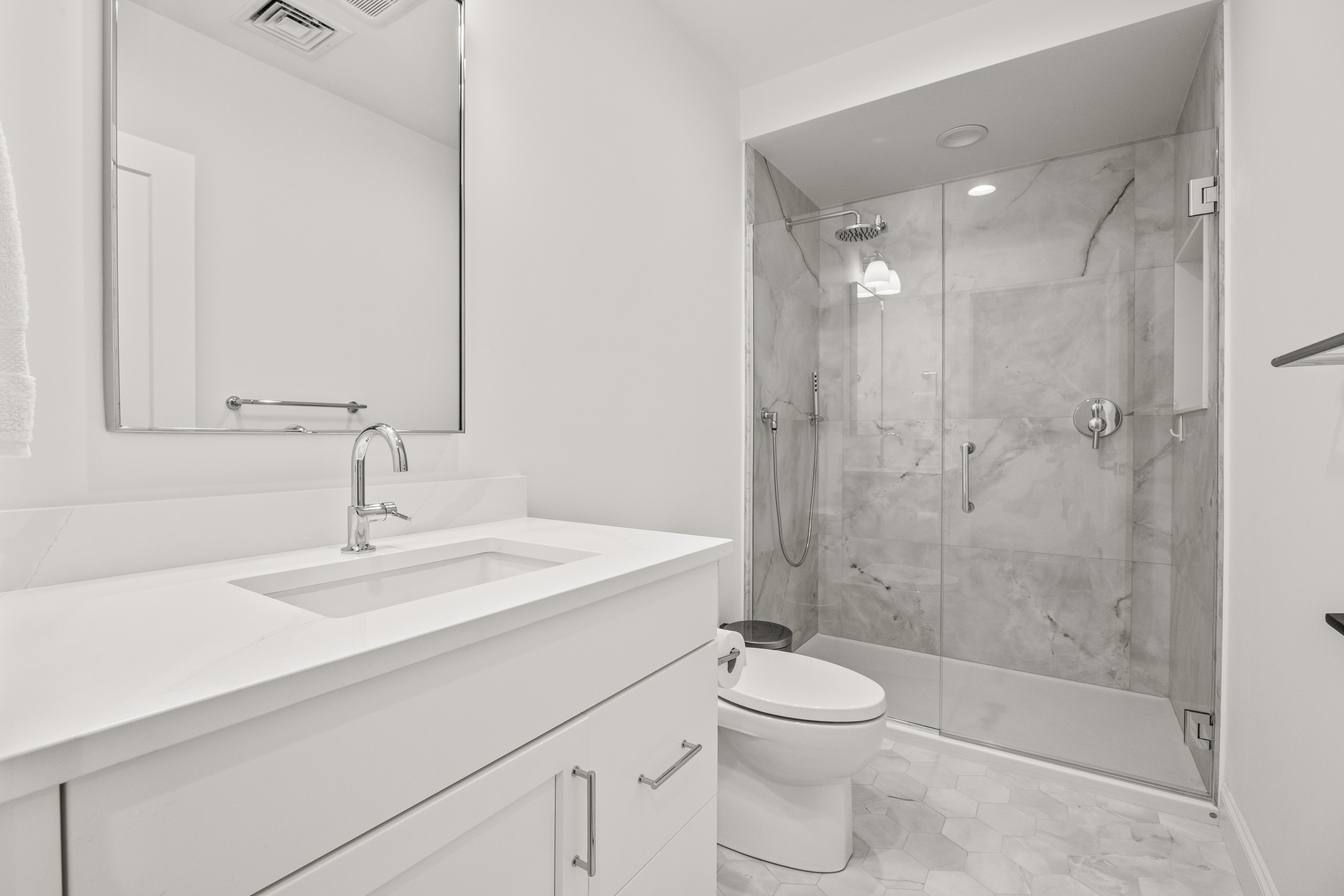
Selections Shape the Design—Not Just the Finish
Many selections affect much more than appearance.
A 48-inch professional range may require a dedicated gas line, a specific electrical circuit, a larger hood, make-up air, and cabinetry designed around it.
A freestanding stone tub may require additional floor framing.
Large-format tile may call for a flatter substrate and different underlayment.
A wall of oversized sliding doors influences structural framing, flashing details, and energy-code compliance.
A layered lighting plan determines where fixtures, switches, and controls must be located before walls are closed in.
When these choices are known during design, they can be coordinated into the drawings, the engineering, and the mechanical plans.
When they're made after framing has begun, they can mean rework, revisions, or compromises.
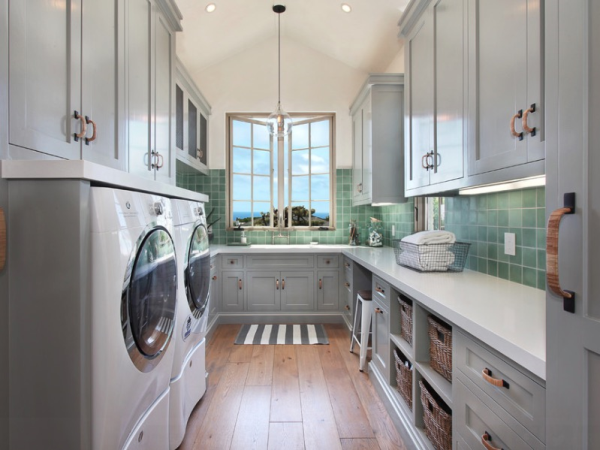
Protecting the Construction Schedule
Many products found in a high-quality custom home are not stocked items.
Custom windows and doors, cabinetry, specialty appliances, imported tile, stone slabs, and designer lighting can require lead times of many weeks—and sometimes months.
If a selection is still undecided when it's needed on site, the schedule waits.
When selections are made early, purchasing can be coordinated with the construction schedule so materials arrive when the crew is ready for them.
Windows and exterior doors are a good example. They are typically needed to weather-tight the home, which allows interior work to proceed. A delay in selecting them can ripple through the entire project.
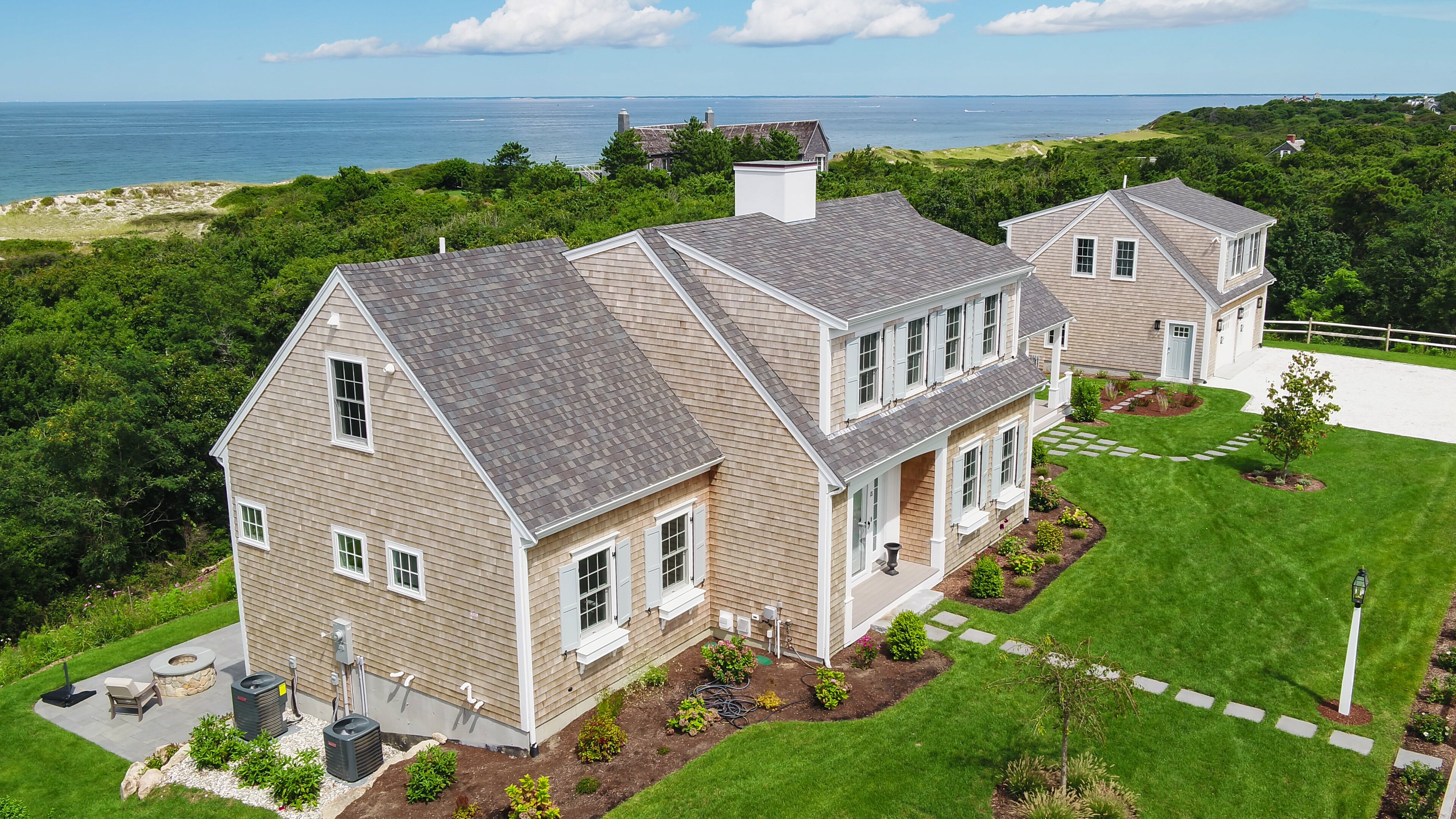
Choosing Finishes That Work on Cape Cod
A home on Cape Cod faces conditions that a home inland may not.
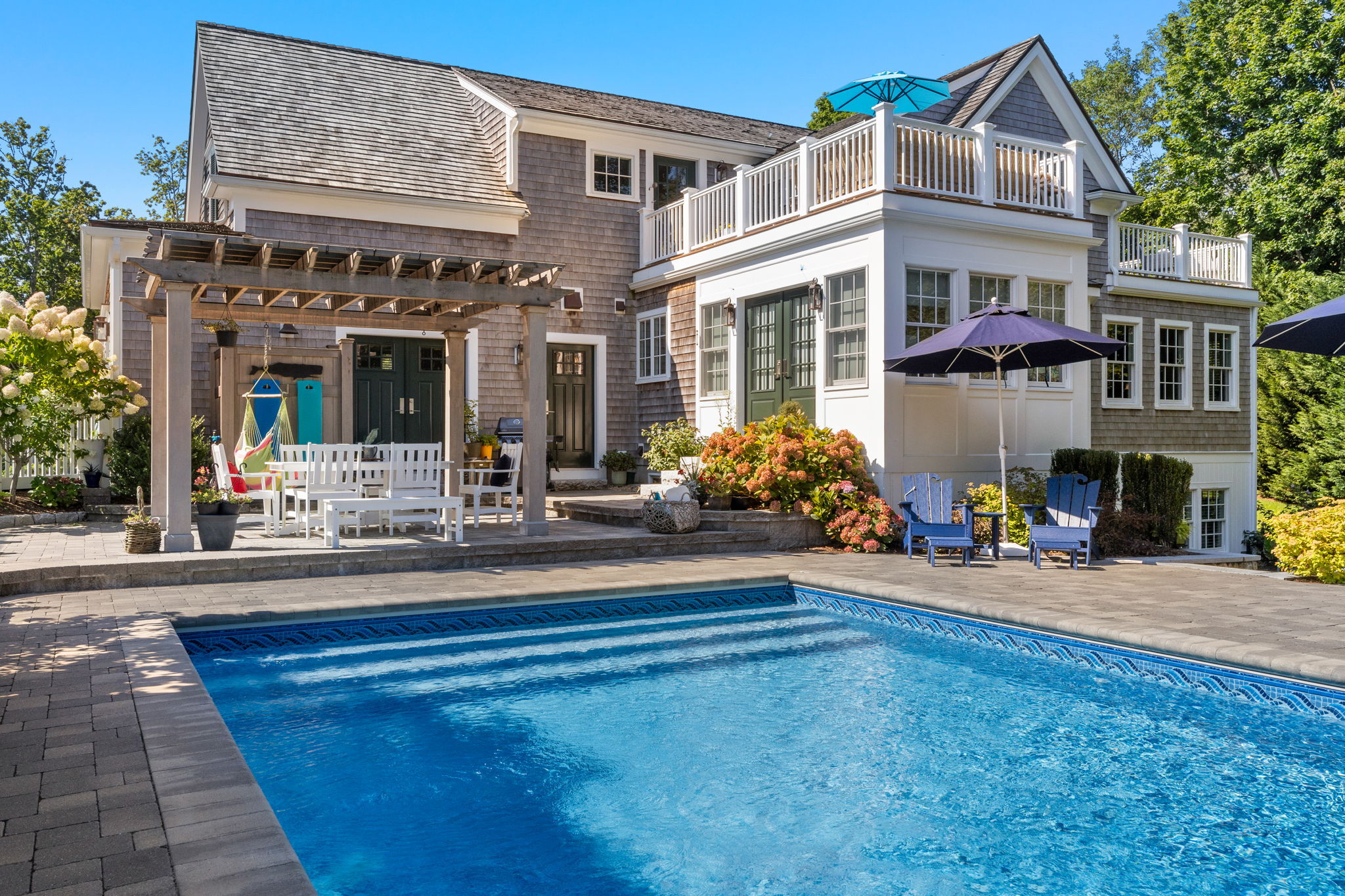
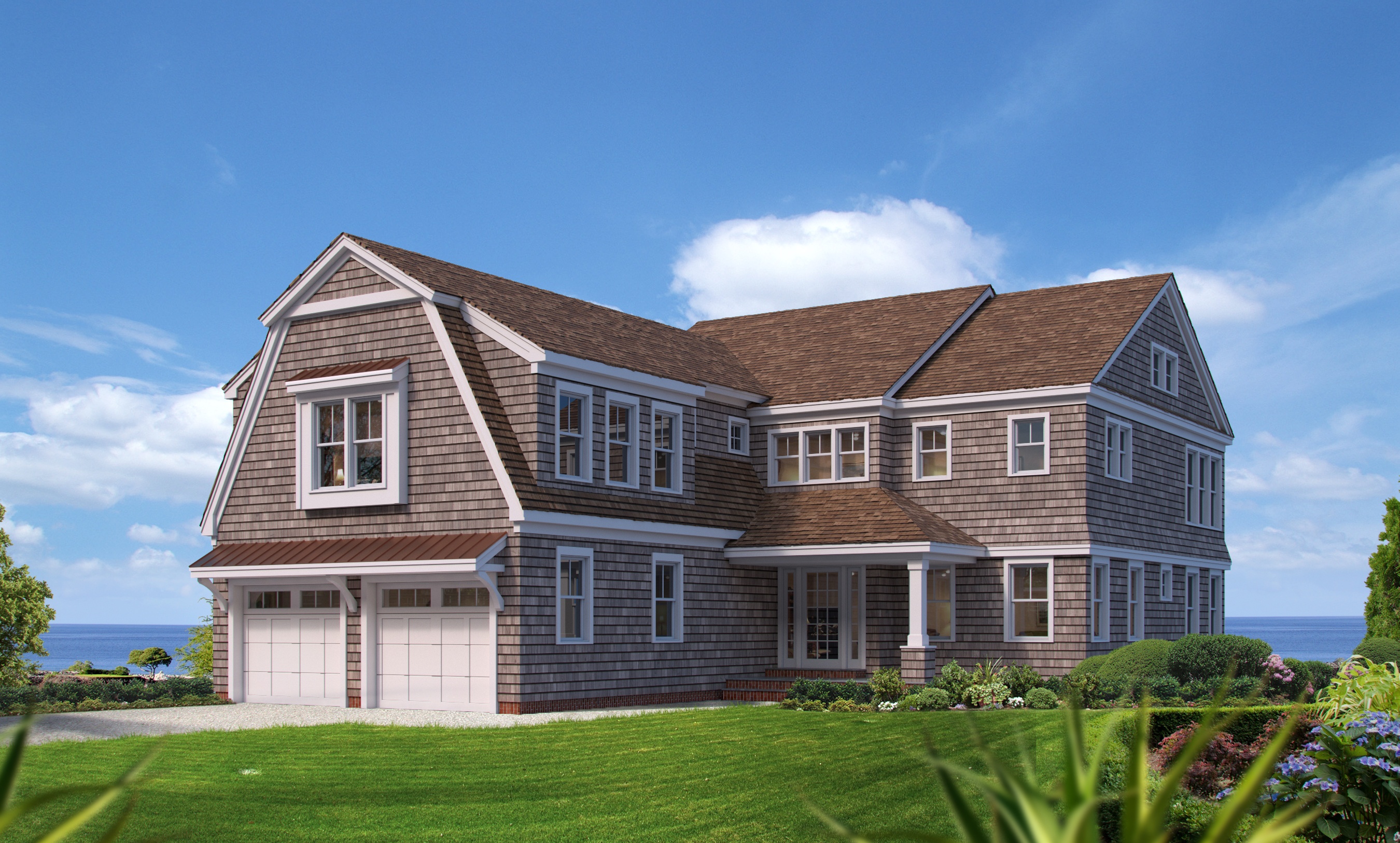
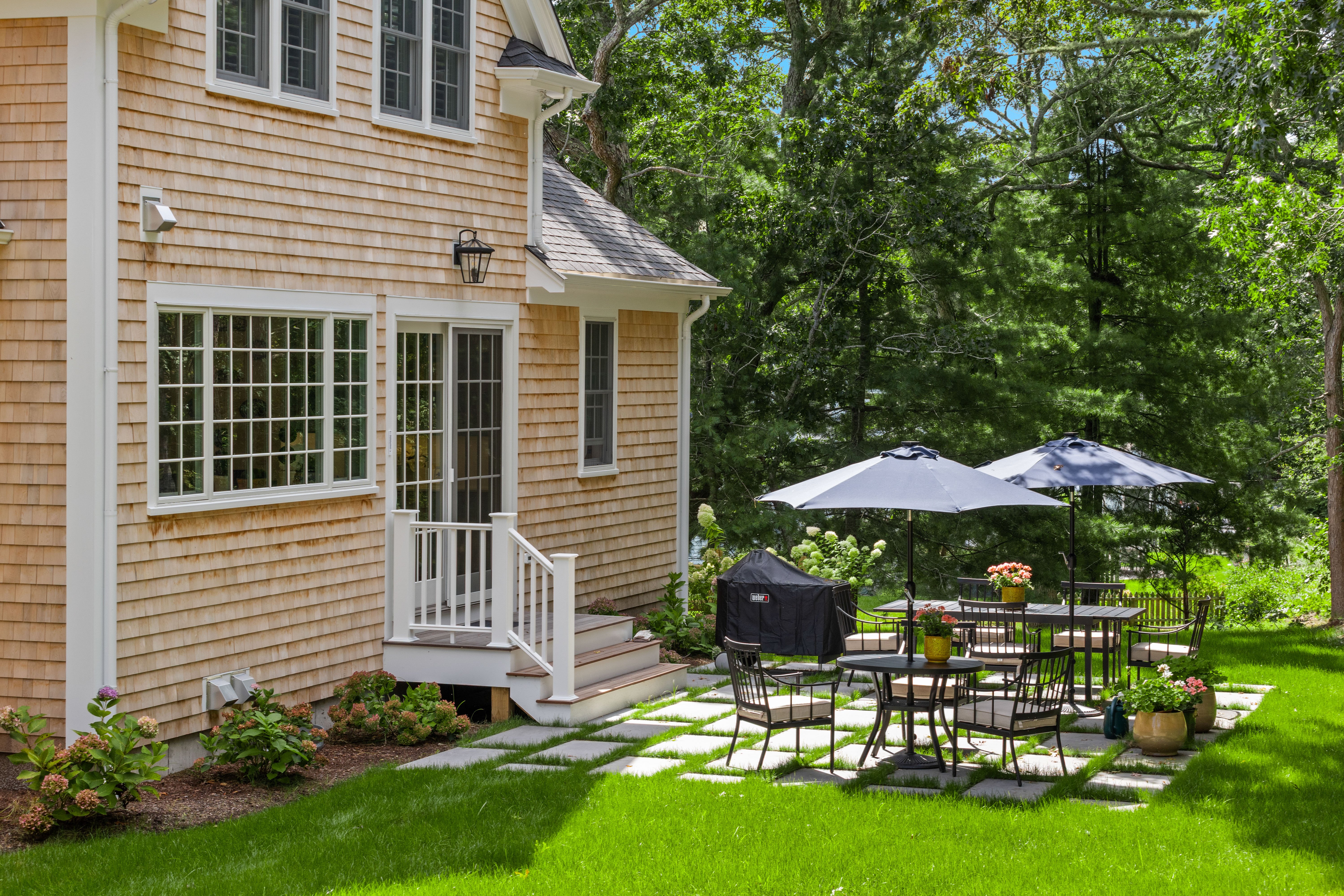
Salt air can be hard on exterior hardware, lighting, and fasteners. Coastal exposure affects the choice of windows, doors, siding, and decking. Humidity and seasonal occupancy influence flooring, cabinetry, and mechanical decisions.
For homes that sit empty for part of the year, owners are increasingly considering automatic water shutoff valves, leak detection, backup generators, and remote monitoring—systems that should be planned alongside the finishes, not added afterward.
Selecting materials with these conditions in mind helps the home look better, perform better, and require less maintenance over time.
A Thoughtful Approach to Making Selections
Making dozens of decisions can feel overwhelming. A structured process helps.
Start with priorities
In Part 1, we discussed sorting goals into needs, wants, and dreams. The same approach works for selections. Decide where you want to invest—perhaps the kitchen, the primary suite, or the views—and where more modest choices are perfectly acceptable.
Follow the construction sequence
Selections don't all need to be made at once, but they should be made in the order the project needs them. Windows, exterior materials, and structural or mechanical items come first. Cabinetry, plumbing fixtures, and appliances follow. Lighting fixtures, hardware, and paint colors can often come later.
See and touch the materials
Photographs rarely tell the whole story. Reviewing samples, visiting showrooms, and seeing finishes in natural light helps avoid surprises.
Keep the whole home in view
Every selection should relate to the others. Cabinetry, countertops, tile, flooring, and hardware should work together as a cohesive design rather than a collection of individual favorites.
Document every decision
Clear, written selections—including model numbers, finishes, quantities, and locations—give the estimating, purchasing, and construction teams the information they need to get it right.
Working with Interior Designers
Many of our clients work with an interior designer, and that collaboration can be tremendously valuable. We also have our own interior designer on staff!
The key is bringing the designer into the process early enough that their selections can be coordinated with the architecture, structure, and mechanical systems—and reflected in the construction pricing.
When the designer, the design-build team, and the homeowner work together from the beginning, the result is a more cohesive home and a smoother construction process.
What About Changes During Construction?
Even with careful planning, homeowners sometimes change their minds once they see the home taking shape. That's understandable.
Making most selections early doesn't eliminate change—but it does make change easier to manage. When the baseline is clearly defined, the cost and schedule effect of a revision can be evaluated and communicated before the work proceeds.
The goal isn't to remove flexibility. It's to make every decision an informed one.
Why Design-Build Makes Selections Easier
In a traditional process, selections are often made after the plans are complete and after a contractor has been chosen—sometimes after construction has begun.
In a design-build process, design, estimating, and construction expertise are involved together from the start.
At REEF, that means selections can be reviewed for cost as they're made, coordinated with the drawings, and scheduled for purchasing in step with construction. With more than 1,500 homes, renovations, and additions completed on Cape Cod, we've learned which decisions matter most, when they need to be made, and how to keep the process enjoyable rather than stressful.
The Details Make the Home
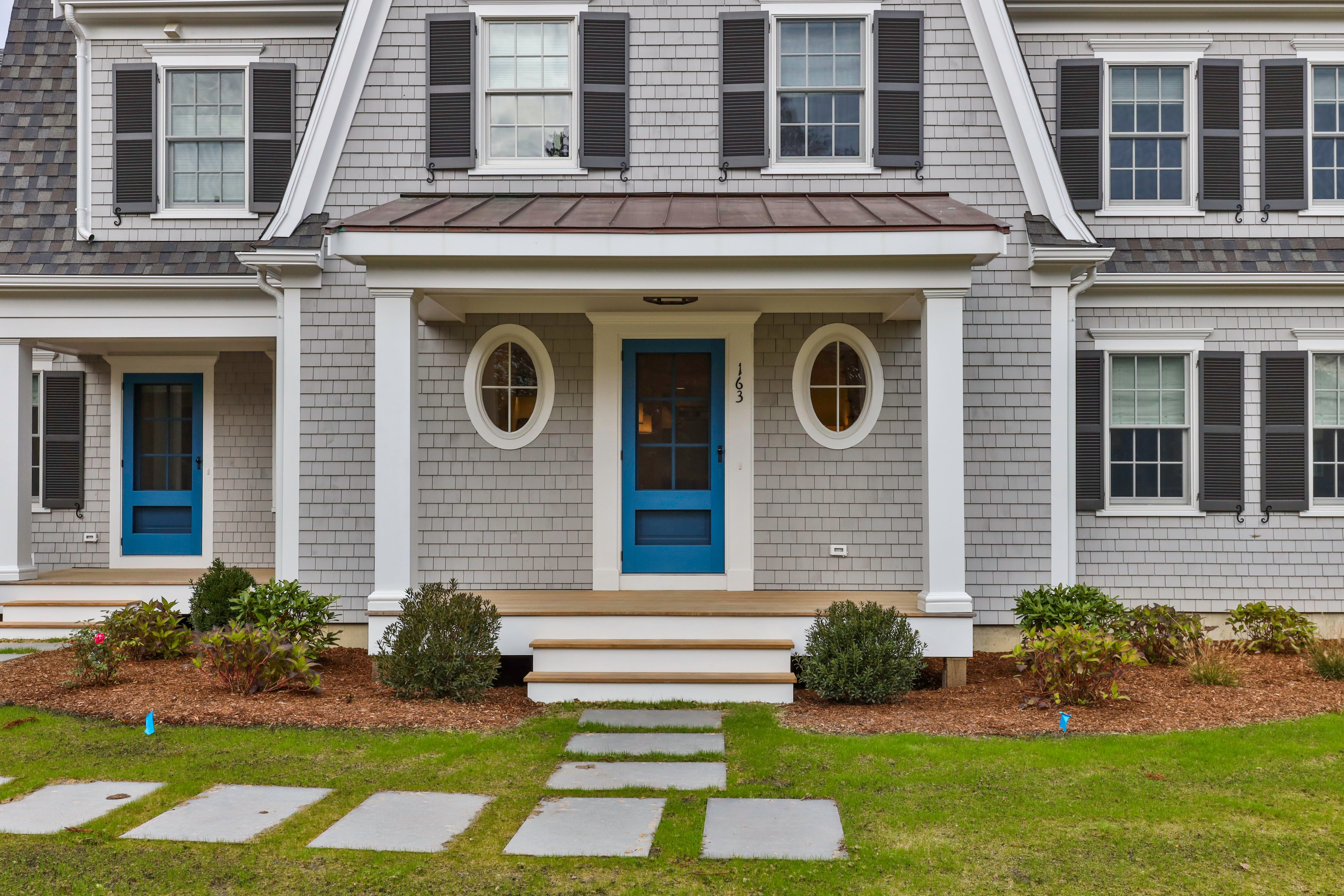
A custom home is ultimately experienced through its details—the way a drawer closes, the light across a countertop, the feel of a door handle, the view framed by a window.
Those details deserve thoughtful attention.
And when they're decided early, they can be designed, priced, ordered, and installed the way they were intended.
The best selections aren't just beautiful. They're well planned.
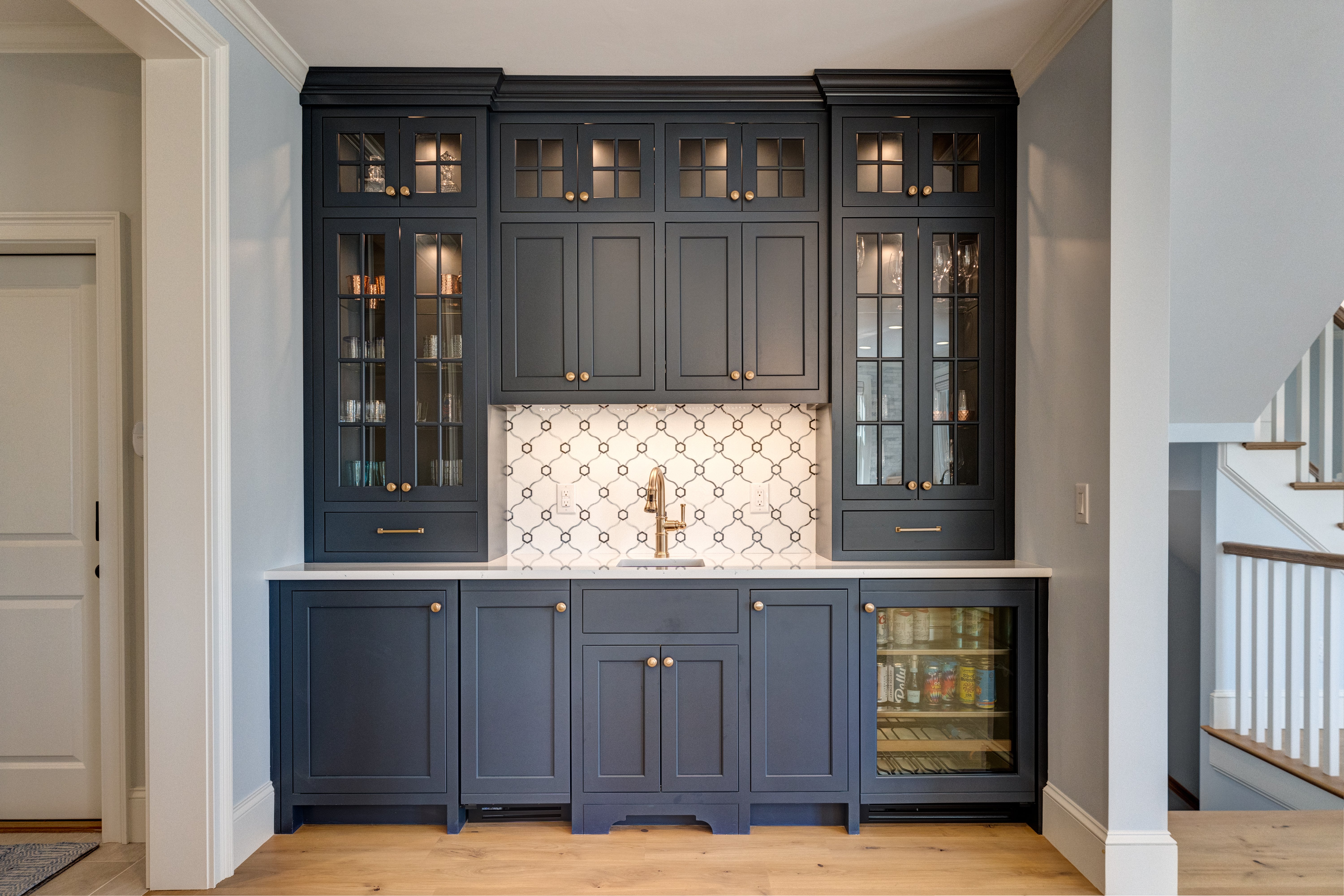
What's Next: Inside the Construction Process
In Part 5 of our From Vision to Home series, we'll move onto the job site. We'll explore what homeowners can expect during construction—how schedules are managed, how progress is communicated, and how many of our clients stay closely involved in their project even when they live hundreds of miles away.
Wondering What Your Project Might Cost?
Selections are one of the biggest factors in the cost of a custom home or renovation. Our free guide explains what drives construction costs on Cape Cod and how to plan a realistic budget.
Download the Cape Cod Construction Cost Guide →
Considering a Custom Home or Major Renovation on Cape Cod?
Whether you're planning a new waterfront home, renovating a longtime family property, or considering a major addition, involving an experienced design-build team early can make a meaningful difference.
Thinking about building or renovating? Let's start with a conversation.
Visit CapeCodBuilder.com or call (508) 394-3090 to learn more about REEF Builders and our design-build approach to custom homes and major renovations on Cape Cod.
Catch up on the series: Part 1: Before We Draw Anything · Part 2: Designing the Right Cape Cod Home · Part 3: Before Construction Begins