Welcome to the Cape Cod Builder blog

Planning a Custom Home: Why Early Decisions Lead to Better Homes, Better Pricing, and Better Outcomes

Posted by REEF Builders on Wed, Jul 08, 2026

Over the past three decades, I've had the privilege of helping hundreds of families buy, sell, renovate, and build homes. While every project is unique, one truth remains constant:

The most successful custom home projects begin with thoughtful planning long before construction starts.

Many homeowners focus primarily on floor plans and architectural styles, but building a custom home involves dozens of critical decisions that directly impact cost, timeline, and overall satisfaction with the finished product.

Whether you're planning a waterfront retreat on Cape Cod, a luxury retirement residence, or a year-round family home, understanding the planning process can help you avoid costly surprises and ensure your vision becomes reality.

Step One: Selecting the Right Building Site

Every exceptional custom home begins with the right piece of land.

In my experience, site selection is often the most overlooked aspect of the custom home process. Buyers frequently fall in love with a property based on views, location, or price without fully understanding how the site will influence design, construction costs, and future enjoyment of the home.
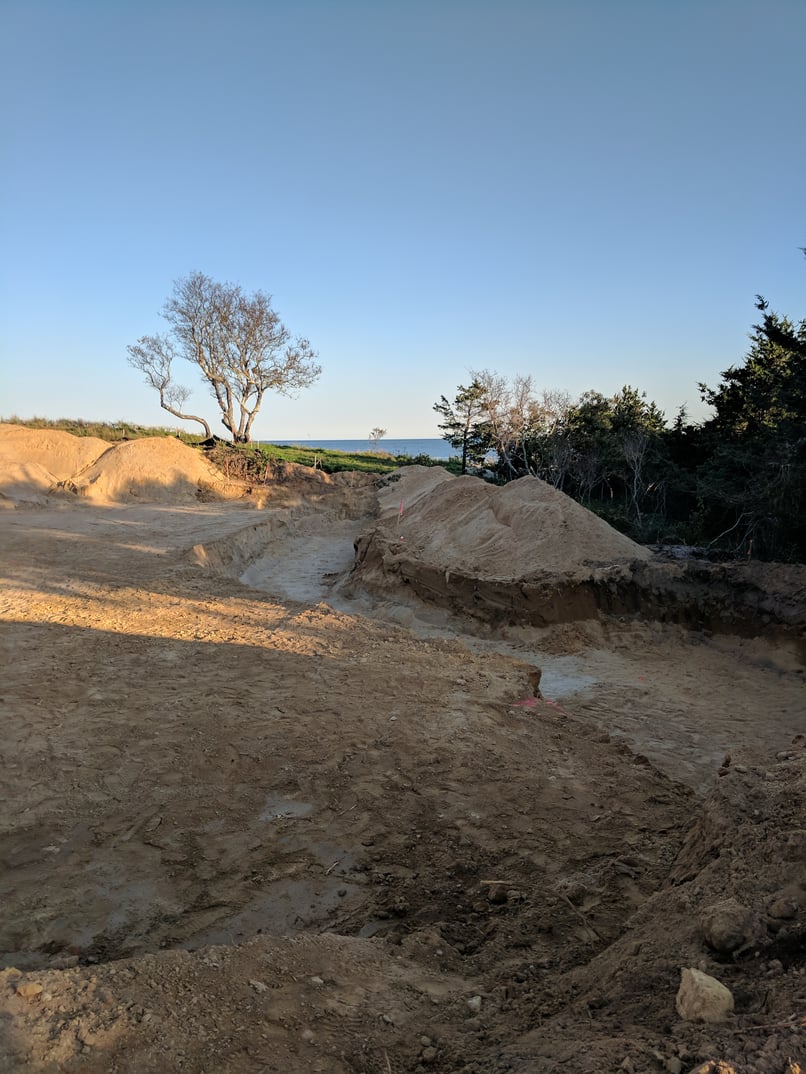
IMG_20171018_075909

Before purchasing land, consider:

Topography

Is the site flat, sloping, or heavily wooded?

The terrain will influence:

  • Foundation requirements
  • Drainage systems
  • Landscaping costs
  • Construction complexity

A beautiful lot with significant elevation changes may require substantial site work that affects the overall budget.

Environmental Considerations

Particularly on Cape Cod, environmental regulations can significantly impact where and how a home may be built.

Factors may include:

  • Wetlands setbacks
  • Conservation restrictions
  • Coastal flood zones
  • Septic system requirements
  • Historic district regulations

Understanding these requirements early can prevent costly redesigns later.

Orientation and Views

One of the most valuable conversations I have with clients involves how they intend to live in the home.

Questions include:

  • Where will you spend most of your time?
  • Do you prefer sunrise or sunset views?
  • How important is natural light?
  • Do you entertain frequently?

A thoughtfully positioned home can dramatically improve views, energy efficiency, and daily enjoyment.
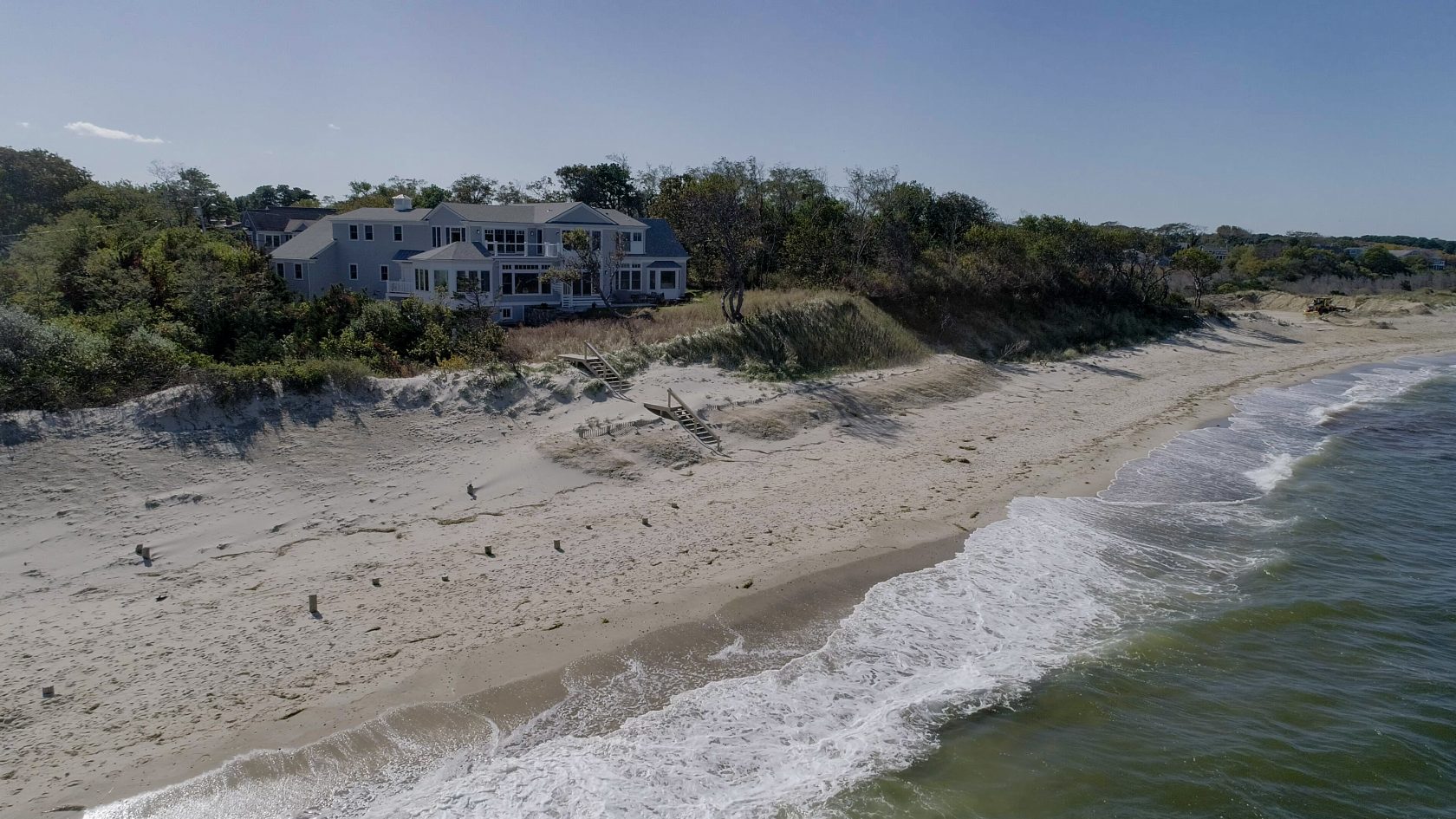
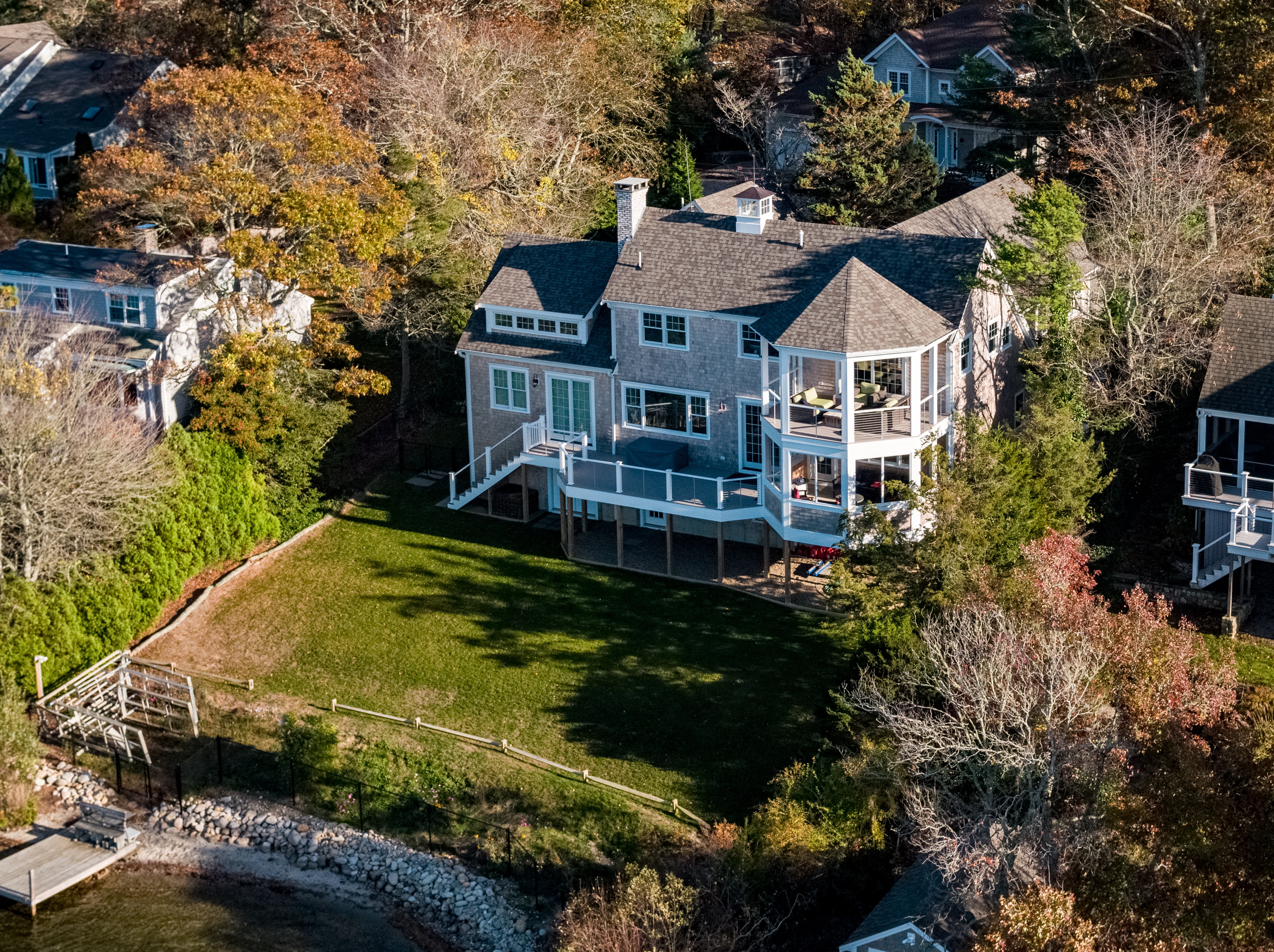
waterfront

Step Two: Designing the Home Around Your Lifestyle

Too many homeowners begin by selecting a floor plan.

The better approach is to begin with your lifestyle.

The most successful custom homes reflect how families actually live rather than simply following current design trends.

Before meeting with your architect or builder, consider:

How Will You Use the Home?

Is this:

  • A primary residence?
  • A retirement home?
  • A seasonal vacation property?
  • A multi-generational family retreat?

The answers influence every aspect of design.

Future Planning Matters

One of the most common mistakes I see is homeowners designing exclusively for today's needs.

Smart custom home design considers:

  • Aging in place
  • Guest accommodations
  • Home office requirements
  • Accessibility considerations
  • Future resale value

A home designed with flexibility often provides greater long-term value.

Indoor and Outdoor Living

Particularly in coastal communities, outdoor living spaces have become essential components of luxury home design.

Today's homeowners increasingly prioritize:

  • Covered porches
  • Outdoor kitchens
  • Fire features
  • Pool areas
  • Seamless indoor-outdoor transitions

These spaces should be integrated into the design process from the beginning rather than added later.
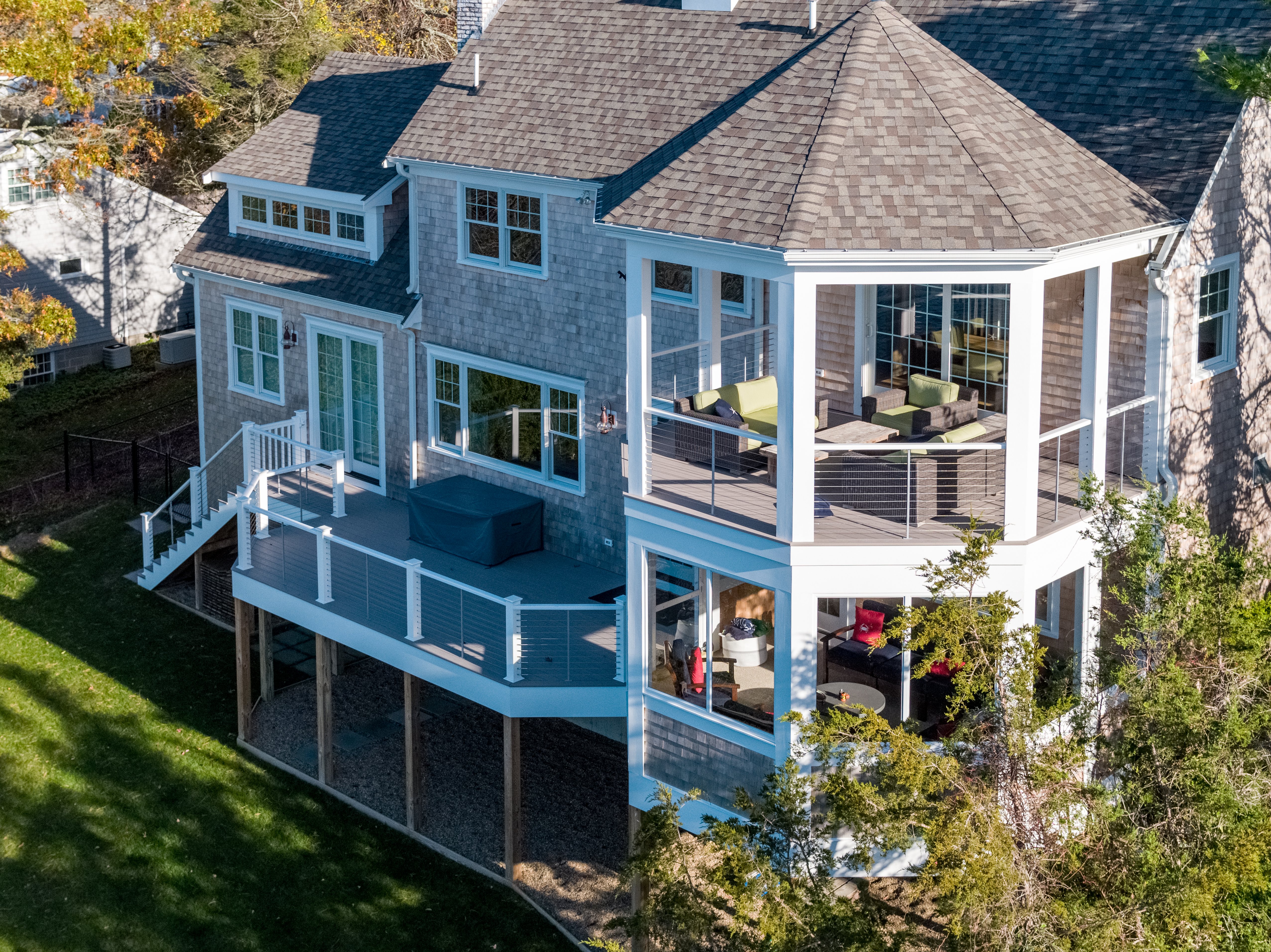
DJI_0078-1

Step Three: Selecting Fixtures and Finishes Early

This is where many custom home projects encounter budget challenges.

One of the most important lessons I've learned over 30 years is that accurate pricing requires detailed selections.

Homeowners are often eager to receive construction pricing before making finish selections. Unfortunately, this approach can lead to significant cost variations once products are chosen.

Why Selections Matter

Consider just a few examples:

A kitchen faucet can cost:

  • $250
  • $750
  • $2,500
  • $5,000+

A front entry door may range from:

  • $3,000
  • $10,000
  • $25,000+

Flooring, cabinetry, countertops, lighting, appliances, plumbing fixtures, hardware, and specialty finishes all carry similar pricing ranges.

Without specific selections, builders must estimate costs using allowances.

While allowances are useful planning tools, they are not precise pricing.

Key Selections That Impact Budget

To obtain accurate construction pricing, homeowners should ideally select:

Kitchen Components

  • Cabinetry
  • Appliances
  • Countertops
  • Plumbing fixtures
  • Decorative lighting

Bathroom Finishes

  • Vanities
  • Plumbing fixtures
  • Tile selections
  • Shower systems
  • Mirrors and accessories

Flooring

  • Hardwood species
  • Tile
  • Stone
  • Specialty flooring materials

Lighting

Lighting has become one of the most significant design investments in luxury homes.

Selections should include:

  • Decorative fixtures
  • Recessed lighting plans
  • Exterior lighting
  • Landscape lighting

Interior and Exterior Finishes

  • Roofing materials
  • Siding selections
  • Trim profiles
  • Windows and doors
  • Paint systems

Every decision contributes to the overall project cost.
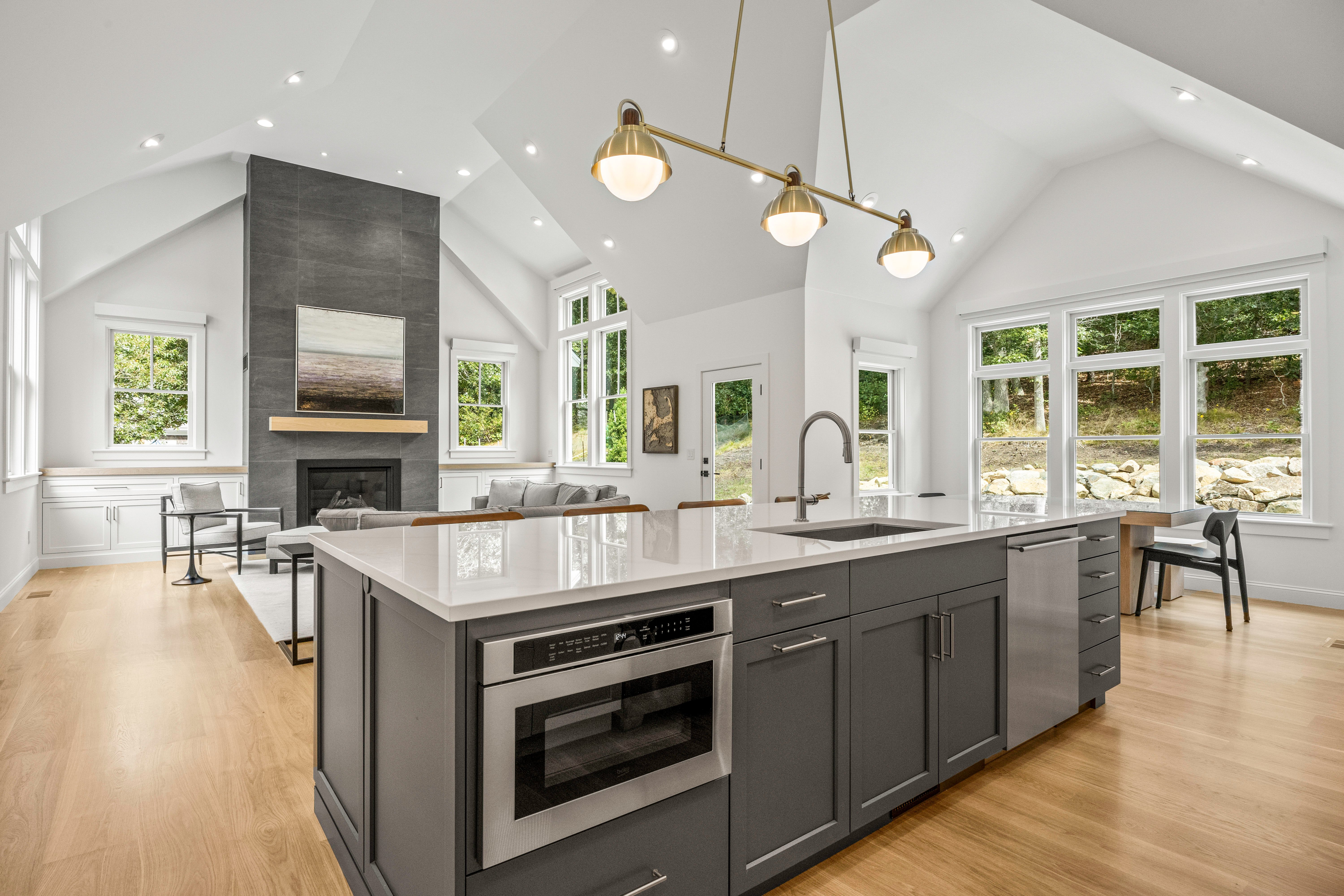
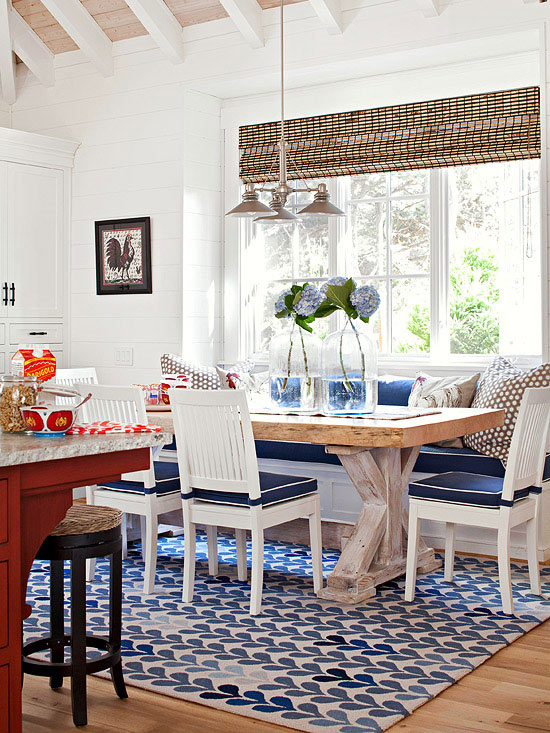
Blueberry FireplaceKitchen

Why Detailed Selections Create More Accurate Pricing

One of the biggest misconceptions in custom home construction is that plans alone determine cost.

In reality, pricing accuracy depends upon both the plans and the specifications.

The more detailed the information provided to your builder, the more accurate the pricing can be.

When selections are completed early:

  • Budget surprises are minimized
  • Construction schedules improve
  • Product availability can be confirmed
  • Change orders are reduced
  • Financing becomes more predictable

Most importantly, homeowners gain confidence that the home being priced is truly the home they intend to build.

The Value of Working with an Experienced Design-Build Team

The custom home process involves hundreds of decisions.

An experienced builder helps guide homeowners through those decisions in a logical sequence while balancing design goals, budget expectations, and construction realities.

The best projects occur when site planning, architecture, interior design, and construction expertise work together from the earliest stages of the process.

This collaborative approach creates homes that are not only beautiful but also financially predictable and efficiently executed.

Final Thoughts

Building a custom home is one of life's most exciting opportunities.

It allows you to create a residence tailored specifically to your lifestyle, your family, and your future.

However, successful custom homes are not the result of spontaneous decisions. They are the product of thoughtful planning, careful site selection, intentional design, and detailed product selections.

The earlier these decisions are made, the more accurate your pricing will be and the smoother your building experience will become.

If you're considering building a custom home on Cape Cod, partnering with an experienced team early in the process can help transform your vision into a home that exceeds expectations while maintaining budget and schedule goals.

At REEF Builders , our team works closely with homeowners throughout every phase of the custom home journey—from site evaluation and planning through construction and final completion—ensuring that every detail is considered before the first shovel enters the ground.
Tags: Project Planning, How to build a custom home on Cape Cod, waterfront custom home

When Will the Federal Reserve Reduce Interest Rates? and How will it Impact Housing

Posted by REEF Builders on Thu, Feb 08, 2024

Discover the factors influencing the Federal Reserve's decision to reduce interest rates and when it is likely to happen.

The role of the Federal Reserve in managing interest rates

The Federal Reserve, often referred to as the Fed, plays a crucial role in managing interest rates in the United States. As the country's central banking system, the Fed has the authority to set the federal funds rate, which is the interest rate banks charge each other for overnight loans. By adjusting this rate, the Fed indirectly influences other interest rates, such as mortgage rates, credit card rates, and car loan rates.

DJI_0016-4

The Fed's primary goal is to promote price stability and maximum employment. To achieve these objectives, it closely monitors economic indicators and employs various tools to manage interest rates. These tools include open market operations, discount rate changes, and reserve requirements. By using these tools, the Fed can either increase or decrease interest rates to stimulate or slow down economic growth.

Factors influencing the Federal Reserve's decision to lower interest rates

The Federal Reserve considers several factors when deciding to lower interest rates. One of the key factors is the state of the economy. If the Fed believes that the economy is slowing down or facing risks, it may opt to lower interest rates to stimulate borrowing and spending. This can help boost economic activity and prevent a recession.

Another factor is inflation. The Fed closely monitors inflation rates and aims to keep it around its target of 2%. If inflation is below the target, the Fed may consider lowering interest rates to encourage borrowing and spending, which can help increase demand and raise prices.

DSC02678

Additionally, global economic conditions and geopolitical events can also influence the Fed's decision. Factors such as trade tensions, political uncertainties, and global economic slowdowns can impact the U.S. economy and prompt the Fed to lower interest rates as a preemptive measure.

Current economic indicators and their impact on interest rate reduction

The Federal Reserve closely monitors a range of economic indicators to assess the health of the economy and determine the need for interest rate adjustments. Some of the key indicators include GDP growth, employment data, inflation rates, consumer spending, and housing market conditions.

For example, if GDP growth is slowing down, indicating a weakening economy, the Fed may consider lowering interest rates to stimulate economic activity. Similarly, if employment data shows signs of a slowdown or high unemployment rates, the Fed may use interest rate reduction as a tool to encourage job creation and boost consumer spending.

Inflation rates also play a significant role in the Fed's decision-making process. If inflation is below the target rate, it suggests that the economy is not operating at its full potential. In such cases, the Fed may lower interest rates to stimulate borrowing and spending, which can help increase demand and push inflation towards the target rate.

DJI_0085

Expert opinions and predictions on the timing of interest rate reduction

Predicting the exact timing of interest rate reductions by the Federal Reserve is challenging as it depends on numerous factors and the ever-changing economic landscape. However, experts closely analyze economic data and provide their opinions and predictions on when the Fed might decide to lower interest rates.

Some experts suggest that if economic indicators continue to show signs of weakness or if there are increased risks to the economy, the Fed may consider lowering interest rates in the near future. Others believe that the Fed might wait for more substantial evidence of an economic slowdown before taking action.

It's important to note that the Fed's decisions are data-dependent and subject to change based on new information and economic developments. Therefore, it is crucial to stay updated with the latest economic indicators and expert opinions to gain insights into the potential timing of interest rate reductions.

Possible consequences and benefits of interest rate reduction

Interest rate reductions by the Federal Reserve can have both immediate and long-term consequences for the economy and various stakeholders. One of the immediate benefits is the potential decrease in borrowing costs. Lower interest rates can make it cheaper for consumers and businesses to borrow money, stimulating spending and investment.

Lower interest rates can also boost the housing market by making mortgages more affordable. This can lead to increased demand for homes and potentially higher home prices.

However, there can also be some negative consequences of interest rate reductions. Lower interest rates can result in lower yields on savings accounts and other fixed-income investments. This can impact retirees and individuals relying on interest income. Additionally, prolonged periods of low interest rates can create concerns about potential asset bubbles and excessive risk-taking in the financial markets.

Overall, the Federal Reserve carefully weighs the potential consequences and benefits of interest rate reductions before making any decisions. It aims to achieve a delicate balance that supports the economy while minimizing risks and maintaining long-term stability.


If you are planning to build or renovate your Cape Cod Home, with a highly experienced design / build team,  feel free to email us at info@capecodbuilder.com.  Click below to download our current Cape Cod Construction Cost Guide to get realistic per square foot costs for current projects : Cape Cod Construction Cost Guide

Tags: Project Planning, building on cape cod, Interest rate hikes and your Cape Cod home

Celebrate Christmas on Cape Cod with These Festive Events

Posted by REEF Builders on Thu, Nov 30, 2023

Experience the magic of Christmas on Cape Cod with these exciting and enchanting festive events. From dazzling light displays to charming holiday markets, there's something for everyone to enjoy during the holiday season.

Discover the Garden's Aglow at Heritage Gardens

The Gardens Aglow is a must-visit during the Christmas season. Located in Sandwich on Cape Cod, this enchanting beautiful property is transformed into a winter wonderland, complete with sparkling lights, festive decorations, and holiday music. Take a stroll through the gardens and admire the beautifully decorated displays. The Gardens Aglow event is a great place to bring the whole family and immerse yourself in the holiday spirit.

Click Here for more information about Gardens Aglow

Cape_Cod_Christmas-resized-600


Immerse Yourself in the Annual Christmas Stroll

Join in on the Annual Christmas Stroll and experience the charm of Cape Cod during the holiday season. This festive event takes place in various towns across Cape Cod and features live music, carolers, and local vendors selling holiday treats and crafts. Take a leisurely walk through the decorated streets, browse the unique shops, and enjoy the joyful atmosphere. The Annual Christmas Stroll is a beloved tradition on Cape Cod and is sure to get you in the holiday spirit.

Click Here for a Schedule of Cape Cod Christmas Strolls

white-christmas-house-with-decorations-resized-600

Indulge in the Festive Flavors of the Cape Cod Cookie Stroll

Calling all cookie lovers! The Cape Cod Cookie Stroll is a delicious holiday experience you won't want to miss. Explore Cape Cod's local bakeries and indulge in a variety of festive cookies and sweet treats. From gingerbread cookies to peppermint bark, there's something for every sweet tooth. Follow the cookie trail and discover new flavors while enjoying the holiday season on Cape Cod.

Click here to learn more about the Cape Cod Cookie Stroll

Experience the Joy of the Cape Cod Polar Express

All aboard the Cape Cod Polar Express! This magical train ride is a favorite among families during the Christmas season. Hop on the train and embark on a journey to the North Pole. Enjoy hot cocoa, listen to holiday stories, and sing along to Christmas carols as you make your way to meet Santa Claus. The Cape Cod Polar Express is a truly enchanting experience that will create lasting memories for children and adults alike.

Click Here for information about the  Cape Cod Polar Express.

If you are considering renovating your Cape Cod Home or if you are ready to build a new home, please consider the design / build team at REEF Builders.  Click here to download our Cape Cod Construction Cost Guide

Tags: New Homes Cape Cod, Cape Cod Builder, Project Planning, cost per square foot, Decorating for the Holidays, Cape Cod Events, christmas on Cape Cod

Dining Room Ideas for your Cape Cod Custom Home

Posted by REEF Cape Cod's Home Builder on Fri, Mar 18, 2016

Formal dining rooms have become less popular over the last 10 years. With the casual lifestyle here on Cape Cod, many customers opt for a less formal dining area that can be used for both daily meal times or be dressed up with flowers and fun place settings for a more formal gathering.  When designing a custom home, every square foot is valuable, so creating an entire room that may only be used for a handful of formal dinners may not be cost effective.  Here are some fun ideas to consider when planning your own dining room space:  Custom Dining Rooms

If you are considering designing or building your Custom Home on Cape Cod, please give is a call at 508-394-3090 or visit our design center in West Dennis.  Our team of design and construction experts would welcome an opprtunity to show you what we can do!

dining_area_casual-resized-600.jpg

Tags: Project Planning, Dining Room

5 Ways the Economy is Changing New Homes on Cape Cod

Posted by Matthew Teague on Fri, Nov 30, 2012

  The economy has been unsettled for the last few years, and as a result, home builders and customers have seen trends that are a direct result of the current economic state.  Changes consist of the following:

  1. More energy efficiency - a result of both regulation, high oil prices, and an overall desire to reduce operating costs of homes
  2. More "Green" - recycled and renewable products are now common place in hew home construction
  3. Smaller - average new home sizes have consistently gotten smaller over the last several years
  4. Flexibile - Homes are designed flexible spaces that have multiple uses, maximizing the utility of a home
  5. Storage - Having lots of storage is critical in new homes, as many buyers are downsizing

As a Custom Home Builder on Cape Cod, we have seen all of these changes first hand, and across the board, these types design concept have resulted in better, more efficient,longer-lasting homes.  If you are thinking of building your New Home or Remodeling your Home on Cape Cod, CONTACT US today to see how we can help!

Here is the complete article from Msn.com: 8 Ways the Economy is Changing New Homes

New Home on Cape Cod

Tags: Home Design, Project Planning, Trends in Home Design

8 most overrated home Renovation and Remodeling projects,

Posted by Matthew Teague on Tue, Sep 11, 2012

Planning your New Home, Remodeling or Renovation project can be a fun and exciting process. We often tell our customers to make a list of "wants" and "needs" and to always make sure to prioritize the needs first.  The internet and television are full of trendy ideas that look good at first, but can be both impractical, and a waste of money.  We found an article from msn.com that provides a list of the 8 most overrated home improvement projects. Items such as home theaters, and large jacuzzi tubs are just a few of the things that they describe as items that look great, but never get used and cost a lot of money.  There is  also a list of suggestions for projects that do make sense and can enhance the look and value of your next home project.

Here is the full article from MSN.com: 8 Overrated Home Improvements.

If you are thinking of getting your project started on the Cape Cod. Click below to download our Critical Planning Guide:

Click me

Tags: renovation, remodeling, Project Planning, custom building

Subscribe to Email Updates

Latest Posts