
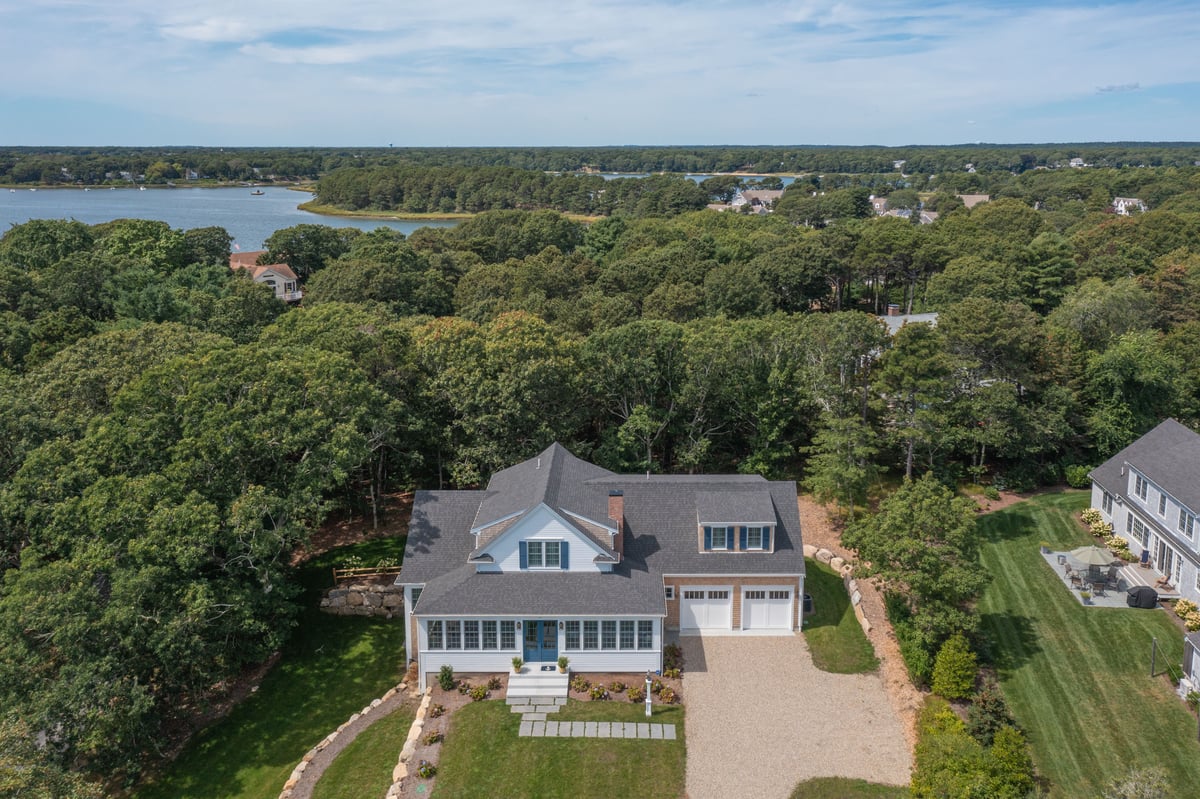
It's one of the most common situations we see on Cape Cod: a buyer purchases an extraordinary piece of land—waterfront, a sweeping bay view, a quiet harbor setting—and with it comes an older house that doesn't fit the way they want to live.
The question quickly follows: Should we renovate the existing house, or tear it down and build new?
The Short Answer
On a premium Cape Cod lot, the decision usually depends less on the house itself than on the regulations that govern the property.
In general, renovation makes sense when the existing house is structurally sound, sits well on the lot, and enjoys a grandfathered footprint, setbacks, or height that would be difficult to replicate under today's rules.
A teardown and rebuild often makes more sense when the home is in a flood zone and would need to be elevated anyway, when the structure and systems are near the end of their useful life, or when the layout simply can't be adapted to how you want to live.
Many projects end up somewhere in between. The right answer comes from a careful review of zoning, flood, conservation, septic, and historic requirements—ideally before major design decisions are made, and sometimes before the property is purchased.
Why This Decision Is Different on Cape Cod
In many places, the teardown-versus-renovation decision comes down to cost and condition. On Cape Cod—especially on waterfront and near-waterfront lots—several layers of regulation can change what is possible:
- Local zoning bylaws and the rules that protect older, nonconforming homes
- FEMA flood zone requirements
- The Massachusetts Wetlands Protection Act and local Conservation Commission review
- Title 5 septic regulations and nitrogen-sensitive areas
- Historic district review and local demolition delay bylaws
- Massachusetts energy codes
Each one can tip the balance. Here's how.
1. Grandfathered Footprints: What You Might Lose by Tearing Down
Many older Cape Cod homes were built before current zoning rules existed. They may sit closer to the water or the property line than would be allowed today, exceed current lot coverage limits, or have a height or footprint that a new home couldn't match by right.
These "pre-existing nonconforming" homes are generally protected under Massachusetts zoning law. In many cases, they can be renovated, altered, or even expanded with the appropriate local approvals.
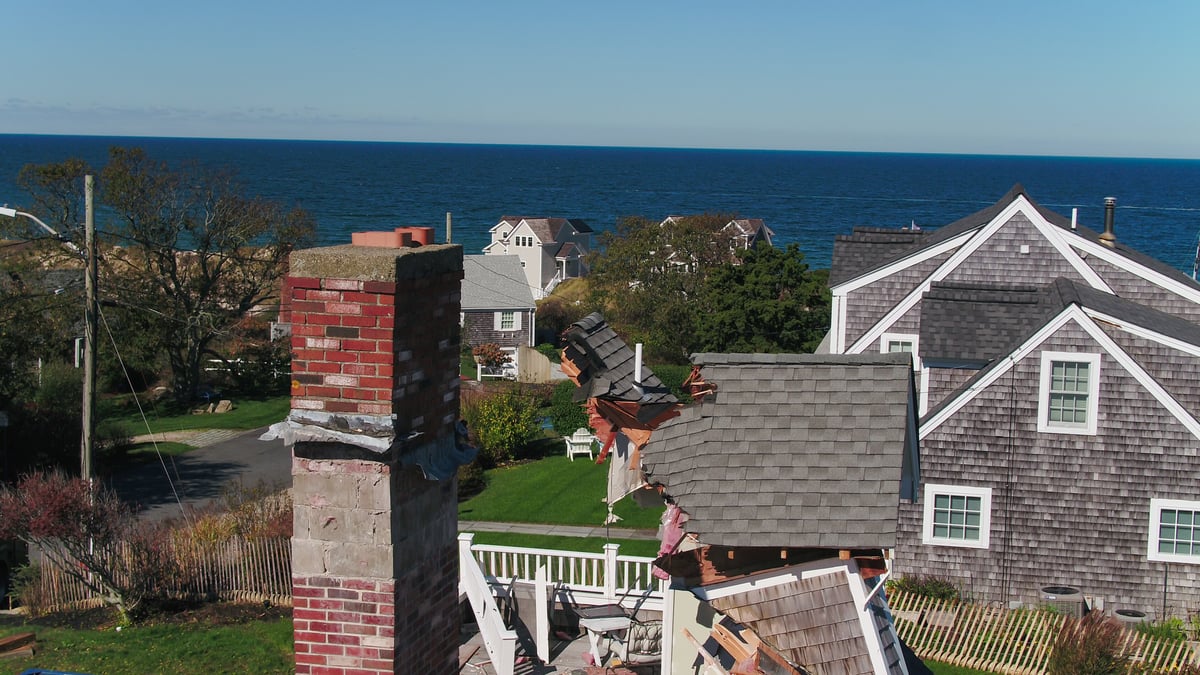
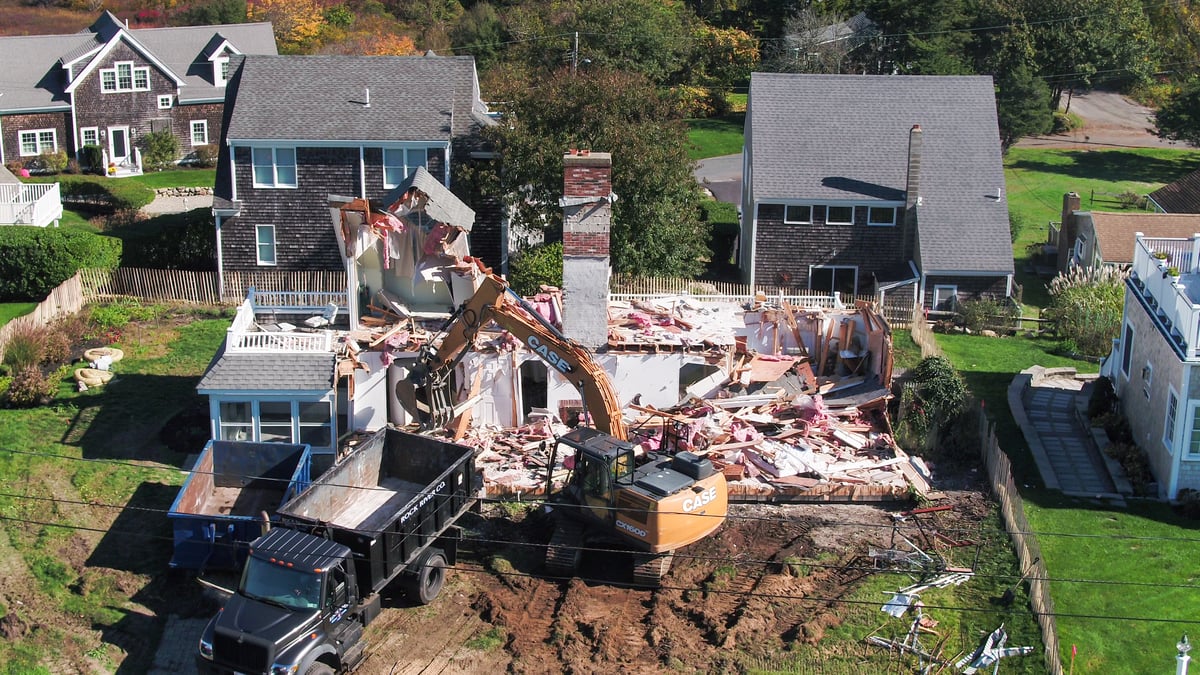
A full teardown can change that analysis. Depending on the town and the property, rebuilding may require a special permit or finding from the zoning board, and a new home may have to meet current setbacks. On a tight waterfront lot, that can mean a smaller or differently positioned house.
Before deciding to demolish, it's essential to understand exactly what the existing house is allowed to be—and what a new house would be allowed to be.
2. Flood Zones and the 50 Percent Rule
For waterfront properties, FEMA flood zones are often the deciding factor.
Under the National Flood Insurance Program, if the cost of improvements to a home in a designated flood zone equals or exceeds 50 percent of the structure's market value, the project is considered a "substantial improvement." The entire home must then be brought into compliance with current flood requirements—which frequently means elevating it.
On a premium lot where the house itself may represent a modest share of the property's value, a major renovation can cross that threshold quickly. At that point, many owners find it makes more sense to build a new, properly elevated home designed around current flood requirements from the start.
A new home built to current flood standards can also offer better protection from storms and may affect flood insurance costs. For more on this topic, see our guide to building in a flood zone on Cape Cod.
3. Conservation Commission Review
Properties near coastal banks, dunes, beaches, marshes, and other wetland resource areas are subject to the Massachusetts Wetlands Protection Act and, in many towns, stricter local wetland bylaws. Work within the buffer zone—typically 100 feet from a resource area—generally requires review by the local Conservation Commission.
This review applies to both renovations and new construction, but it can influence the decision in either direction. In some cases, a rebuild offers an opportunity to move the home farther from a sensitive resource area, which commissions may view favorably. In others, keeping the existing footprint limits the amount of new disturbance and simplifies approval.
4. Septic Capacity and Title 5
Most Cape Cod homes rely on on-site septic systems governed by the state's Title 5 regulations and local board of health rules.
Septic design is based largely on the number of bedrooms. Adding bedrooms—common when replacing an older cottage with a larger family home—often requires a new or upgraded system, and a small or constrained lot may limit how many bedrooms are allowed.
Much of Cape Cod is also now designated as nitrogen-sensitive, where new construction and increases in septic flow often require advanced, nitrogen-reducing (I/A) treatment systems. These requirements affect cost, site layout, and in some cases the size of the home.
5. Historic Review and Demolition Delay
Along the Route 6A corridor, the Old King's Highway Regional Historic District—which includes portions of Sandwich, Barnstable, Yarmouth, Dennis, Brewster, and Orleans—reviews exterior changes and demolition of structures visible from a public way.
Many Cape towns also have demolition delay bylaws that can postpone the demolition of older buildings while alternatives are considered.
For a historic or architecturally significant home, these rules can make renovation the more practical—and sometimes the only realistic—path. They can also add months to a teardown schedule.
6. The Condition of the Existing House
Of course, the house itself still matters. Key questions include:
- Is the foundation sound, and is it at an appropriate elevation?
- Is the framing in good condition, or is there rot, insect damage, or structural deficiency?
- How old are the roof, windows, electrical, plumbing, and heating systems?
- Is the home insulated and air-sealed to any meaningful degree?
- Are there hazardous materials such as asbestos or lead paint?
Massachusetts requires an asbestos survey before most demolition and renovation work, and older homes frequently contain materials that must be properly abated. Concealed conditions are common in older Cape homes, so a renovation budget should include a realistic contingency.
7. Energy Codes
A new home on Cape Cod must meet the energy code adopted by its town—today, either the Stretch Energy Code or the Specialized Opt-in Code in every Cape town. Those codes set performance targets that influence insulation, windows, mechanical systems, and even appliance choices, as we explained in our recent post on induction, gas, and dual-fuel ranges.
Renovations and additions are subject to different requirements. That can make a renovation simpler from a code standpoint—but a new home designed to current standards will typically be more comfortable, more efficient, and less expensive to operate.
8. Cost, Value, and Certainty
It's natural to assume renovation is always less expensive. Sometimes it is. But on a major project, the comparison is often closer than people expect.
A renovation must work within the limits of an existing structure, and concealed conditions can add cost once walls and floors are opened. A new home involves demolition, site work, and a full foundation, but offers greater design freedom and far fewer unknowns once construction begins.
For new custom homes, REEF's typical range of $700 to $900 per square foot includes site work, septic, design and engineering, permits, and landscaping—costs that are often excluded from figures quoted elsewhere. For a deeper look at what drives construction costs, download our Cape Cod Construction Cost Guide.
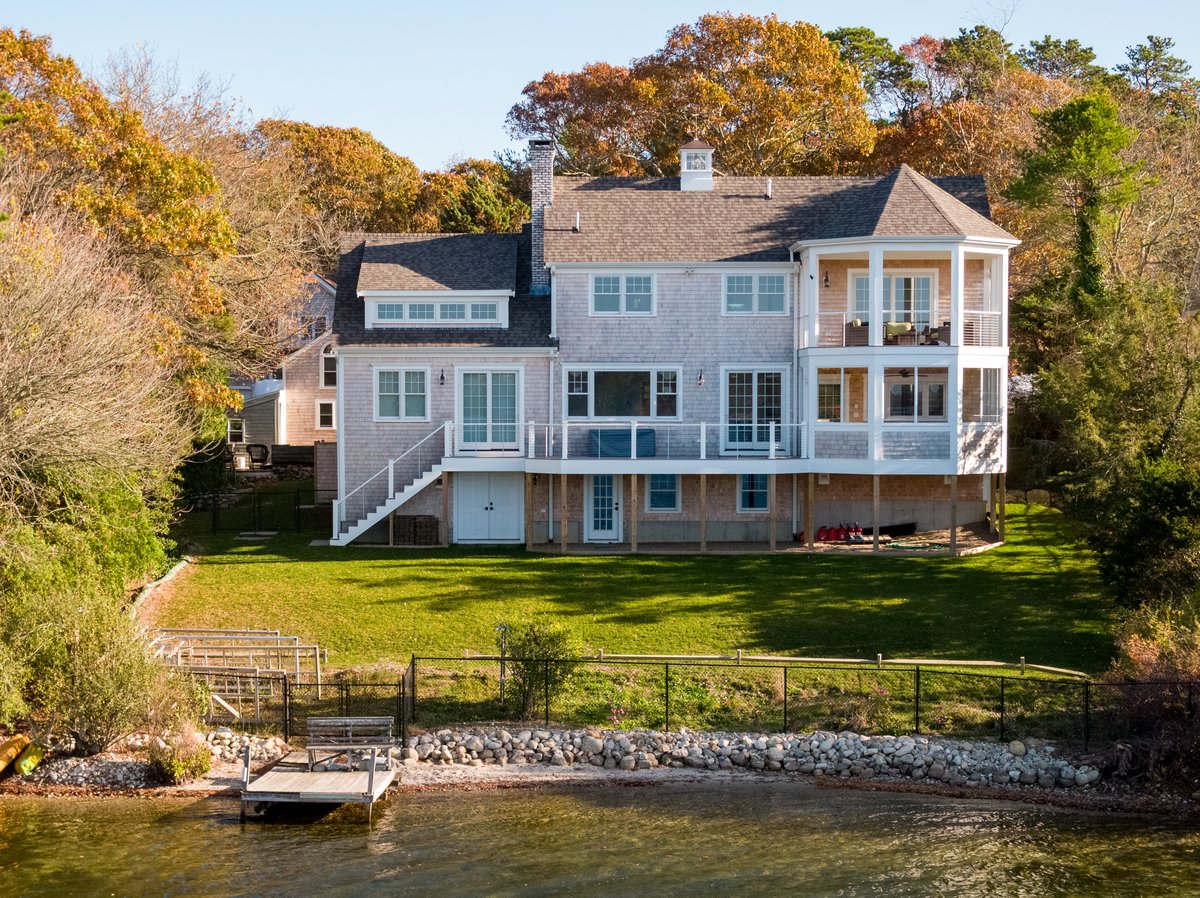
Value matters too. On a premium lot, the land often represents the majority of the property's value. A home that fully takes advantage of the site—its views, orientation, and outdoor living—can be a better long-term investment than one constrained by an outdated footprint.
The Middle Ground: Partial Demolition and Major Renovation
Teardown and renovation aren't the only two choices. Many successful Cape Cod projects retain a portion of the existing structure—or its foundation—to preserve a grandfathered footprint or setback, while substantially rebuilding and expanding the rest of the home.
This approach can offer the best of both worlds, but it requires care. How much of a structure must be retained, and how the project will be treated by the building department, zoning board, and Conservation Commission, varies by town and by property. It should be confirmed before design begins.
Renovate or Rebuild? A Quick Comparison
| Renovation is often the better fit when… | A teardown and rebuild is often the better fit when… |
|---|---|
| The house has a grandfathered footprint, setback, or height that a new home couldn't match | The home is in a flood zone and the work would trigger the 50 percent rule |
| The structure and foundation are sound | The structure, foundation, or systems are near the end of their life |
| The home is historic or subject to historic district review | The layout can't be adapted to how you want to live |
| Septic capacity limits the number of bedrooms you could add | A new home could be better positioned for views, light, or resource-area setbacks |
| Your goals can be met with targeted changes rather than a complete transformation | Renovation costs would approach the cost of building new |
Start with a Feasibility Review
The most expensive mistake we see is committing to a direction—or even to a purchase—before understanding what the property allows.
That's why we recommend a feasibility and regulatory review as the first step. For a property you own or are considering, REEF can evaluate zoning, flood zone, Conservation Commission, septic, and historic requirements, assess the existing structure, and outline the realistic options and their implications for budget and schedule.
With that information in hand, the decision between renovating and rebuilding usually becomes much clearer. And as we discussed in Part 1 of our From Vision to Home series, the best projects begin with this kind of clarity—before anything is drawn.
Frequently Asked Questions
Can I rebuild a larger house if I tear down an older home on Cape Cod?
Sometimes. It depends on the town's zoning bylaw, the lot's setbacks and coverage, whether the existing home is nonconforming, flood and Conservation Commission requirements, and septic capacity. In many cases a larger home requires local approvals, and some lots simply can't support a significantly bigger house.
Will I have to elevate my house if I renovate in a flood zone?
If the cost of the work equals or exceeds 50 percent of the structure's market value, FEMA's substantial improvement rule generally requires the entire home to meet current flood requirements, which often means elevating it. Smaller projects may not trigger that requirement.
Is renovating always cheaper than building new?
No. Light to moderate renovations usually cost less than a new home. But for a whole-house renovation of an older home—especially one that requires structural repairs, system replacement, elevation, or a new septic system—the cost can approach or exceed that of building new, with more uncertainty.
How long does it take to get approvals for a teardown and rebuild on Cape Cod?
It varies widely. Depending on the property, approvals may include zoning, Conservation Commission, board of health, historic district, and building permits, plus any demolition delay period. A feasibility review early in the process helps identify which approvals will apply and how they may affect the schedule.
Should I get a feasibility study before buying a Cape Cod property?
We strongly recommend it if you plan to renovate significantly or rebuild. Understanding zoning, flood, septic, and conservation limitations before purchase can prevent costly surprises. Our free guide to buying and building a waterfront property is a good place to start.
Considering a Renovation or Rebuild on Cape Cod?
With more than 1,500 homes, renovations, and additions completed on Cape Cod, REEF has helped many owners of premium properties decide whether to renovate, expand, or rebuild—and then guided those projects from feasibility through completion.
Thinking about building or renovating? Let's start with a conversation.
Visit CapeCodBuilder.com or call (508) 394-3090.
This article provides general information about Massachusetts and Cape Cod regulations. Requirements vary by town and property and change over time; confirm current requirements for your property with your local officials or design-build team.