Welcome to the Cape Cod Builder blog

Planning a Custom Home: Why Early Decisions Lead to Better Homes, Better Pricing, and Better Outcomes

Posted by REEF Builders on Wed, Jul 08, 2026

Over the past three decades, I've had the privilege of helping hundreds of families buy, sell, renovate, and build homes. While every project is unique, one truth remains constant:

The most successful custom home projects begin with thoughtful planning long before construction starts.

Many homeowners focus primarily on floor plans and architectural styles, but building a custom home involves dozens of critical decisions that directly impact cost, timeline, and overall satisfaction with the finished product.

Whether you're planning a waterfront retreat on Cape Cod, a luxury retirement residence, or a year-round family home, understanding the planning process can help you avoid costly surprises and ensure your vision becomes reality.

Step One: Selecting the Right Building Site

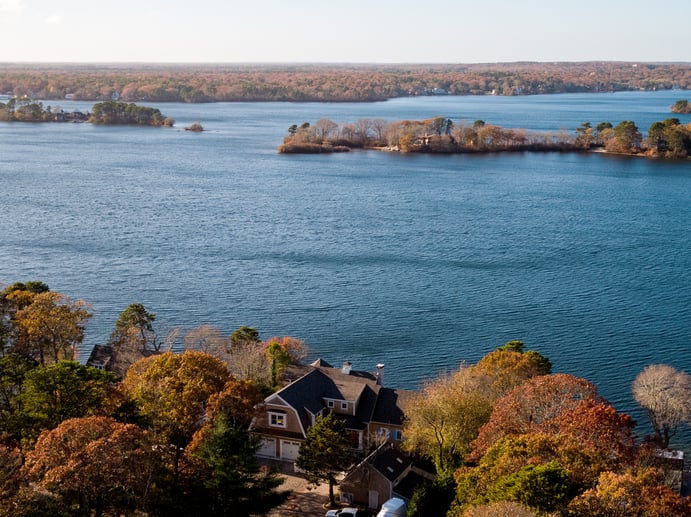
Every exceptional custom home begins with the right piece of land.

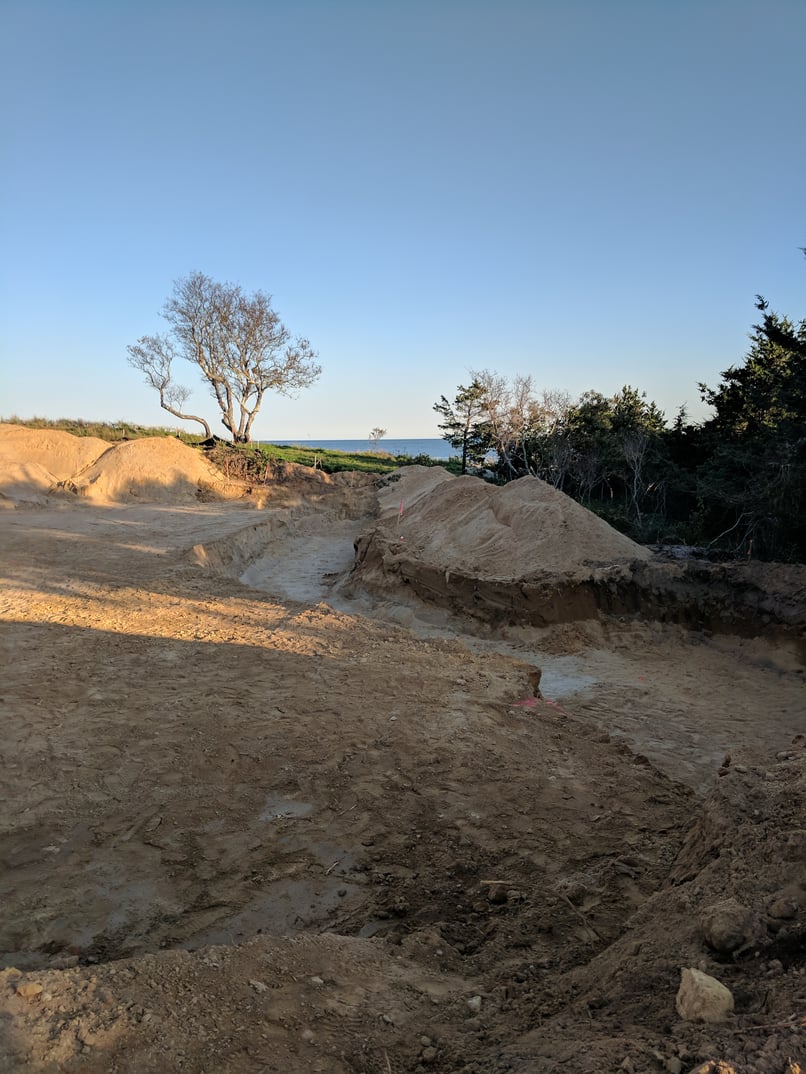
In my experience, site selection is often the most overlooked aspect of the custom home process. Buyers frequently fall in love with a property based on views, location, or price without fully understanding how the site will influence design, construction costs, and future enjoyment of the home.
IMG_20171018_075909

Before purchasing land, consider:

Topography

Is the site flat, sloping, or heavily wooded?

The terrain will influence:

  • Foundation requirements
  • Drainage systems
  • Landscaping costs
  • Construction complexity

A beautiful lot with significant elevation changes may require substantial site work that affects the overall budget.

Environmental Considerations

Particularly on Cape Cod, environmental regulations can significantly impact where and how a home may be built.

Factors may include:

  • Wetlands setbacks
  • Conservation restrictions
  • Coastal flood zones
  • Septic system requirements
  • Historic district regulations

Understanding these requirements early can prevent costly redesigns later.

Orientation and Views

One of the most valuable conversations I have with clients involves how they intend to live in the home.

Questions include:

  • Where will you spend most of your time?
  • Do you prefer sunrise or sunset views?
  • How important is natural light?
  • Do you entertain frequently?

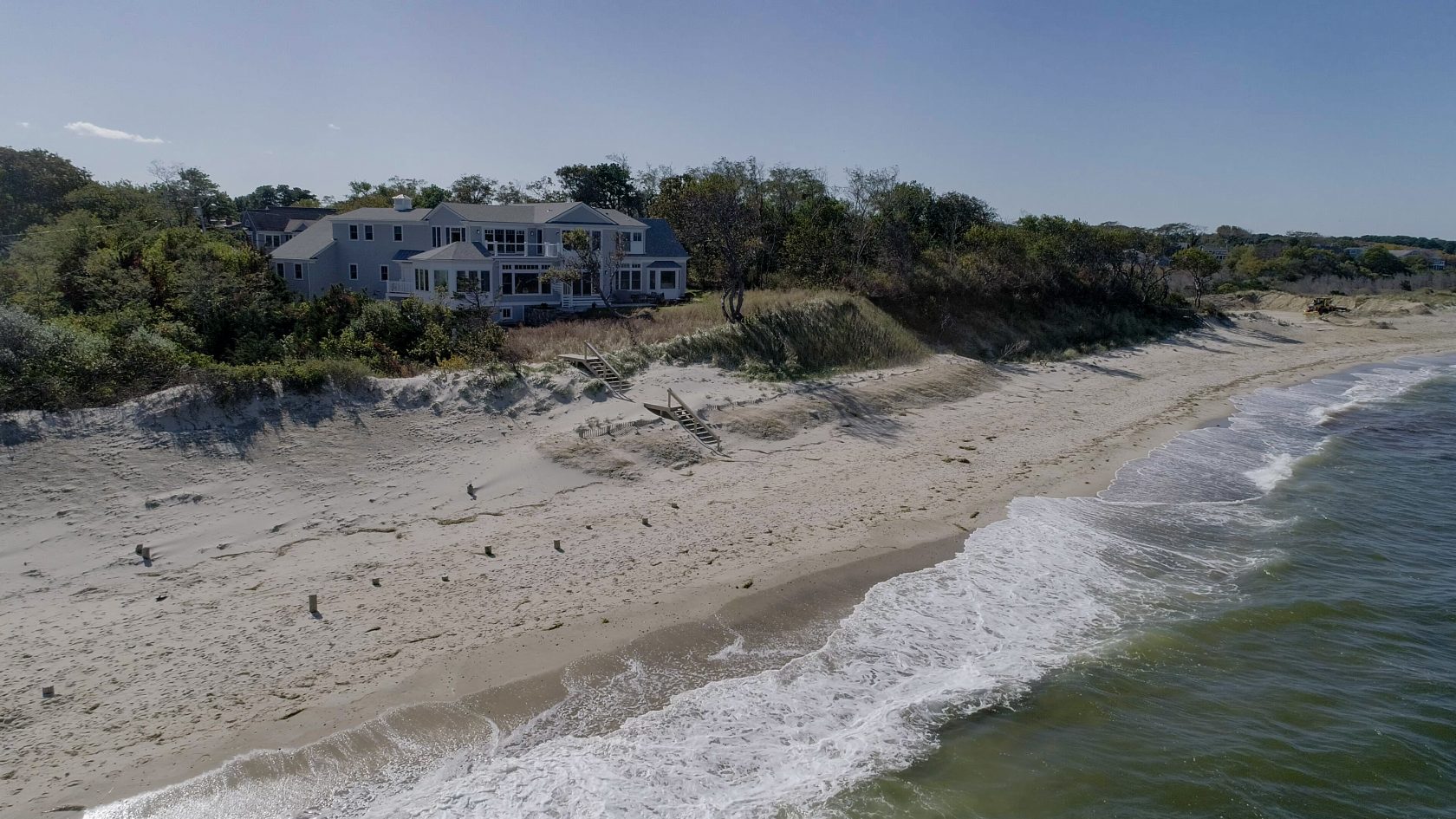
A thoughtfully positioned home can dramatically improve views, energy efficiency, and daily enjoyment.
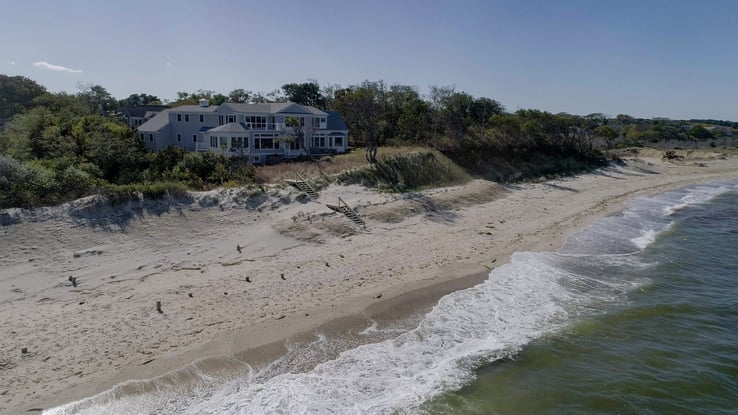
waterfront

Step Two: Designing the Home Around Your Lifestyle

Too many homeowners begin by selecting a floor plan.

The better approach is to begin with your lifestyle.

The most successful custom homes reflect how families actually live rather than simply following current design trends.

Before meeting with your architect or builder, consider:

How Will You Use the Home?

Is this:

  • A primary residence?
  • A retirement home?
  • A seasonal vacation property?
  • A multi-generational family retreat?

The answers influence every aspect of design.

Future Planning Matters

One of the most common mistakes I see is homeowners designing exclusively for today's needs.

Smart custom home design considers:

  • Aging in place
  • Guest accommodations
  • Home office requirements
  • Accessibility considerations
  • Future resale value

A home designed with flexibility often provides greater long-term value.

Indoor and Outdoor Living

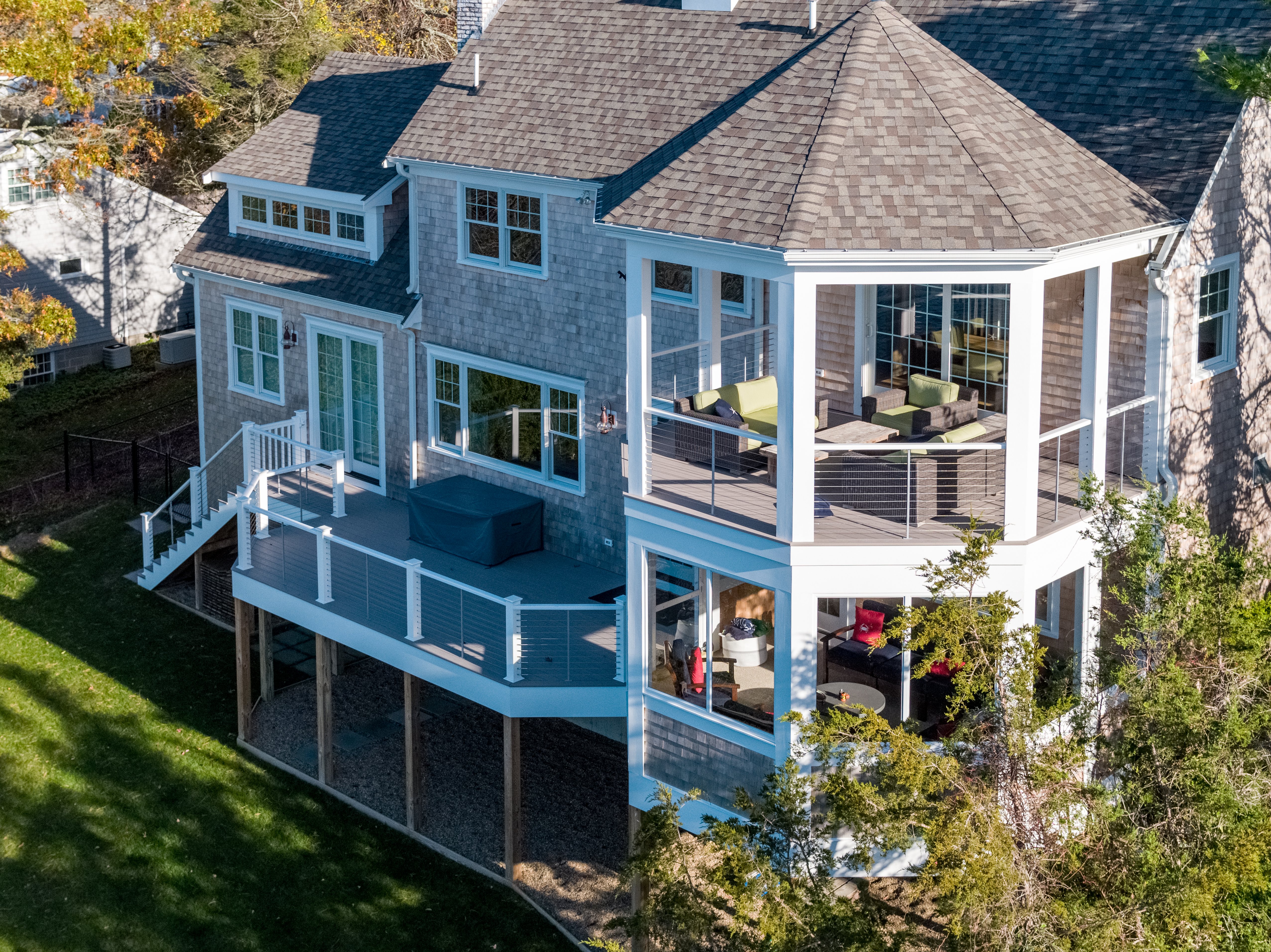
Particularly in coastal communities, outdoor living spaces have become essential components of luxury home design.

Today's homeowners increasingly prioritize:

  • Covered porches
  • Outdoor kitchens
  • Fire features
  • Pool areas
  • Seamless indoor-outdoor transitions

These spaces should be integrated into the design process from the beginning rather than added later.
DJI_0078-1

Step Three: Selecting Fixtures and Finishes Early

This is where many custom home projects encounter budget challenges.

One of the most important lessons I've learned over 30 years is that accurate pricing requires detailed selections.

Homeowners are often eager to receive construction pricing before making finish selections. Unfortunately, this approach can lead to significant cost variations once products are chosen.

Why Selections Matter

Consider just a few examples:

A kitchen faucet can cost:

  • $250
  • $750
  • $2,500
  • $5,000+

A front entry door may range from:

  • $3,000
  • $10,000
  • $25,000+

Flooring, cabinetry, countertops, lighting, appliances, plumbing fixtures, hardware, and specialty finishes all carry similar pricing ranges.

Without specific selections, builders must estimate costs using allowances.

While allowances are useful planning tools, they are not precise pricing.

Key Selections That Impact Budget

To obtain accurate construction pricing, homeowners should ideally select:

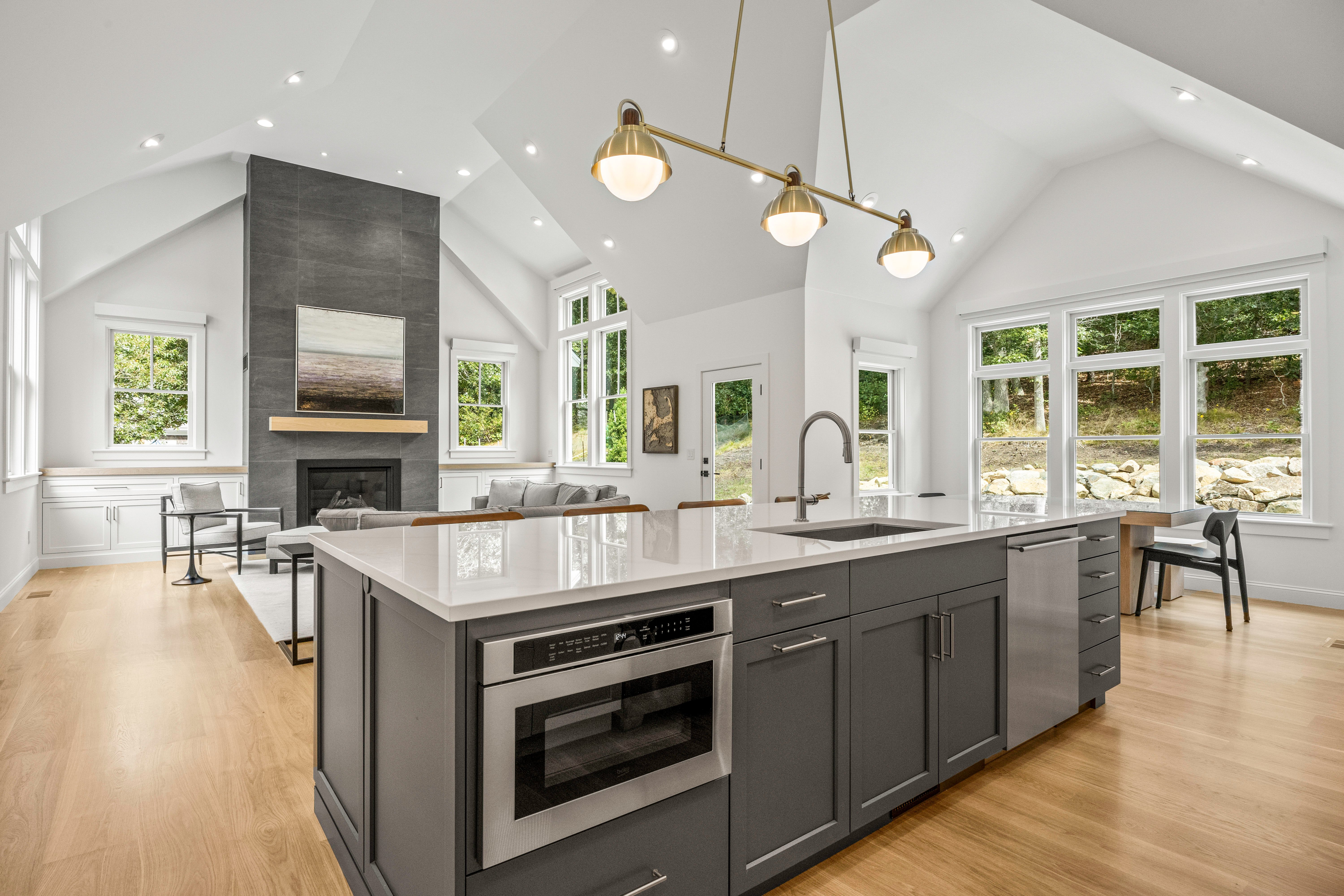
Kitchen Components

  • Cabinetry
  • Appliances
  • Countertops
  • Plumbing fixtures
  • Decorative lighting

Bathroom Finishes

  • Vanities
  • Plumbing fixtures
  • Tile selections
  • Shower systems
  • Mirrors and accessories

Flooring

  • Hardwood species
  • Tile
  • Stone
  • Specialty flooring materials

Lighting

Lighting has become one of the most significant design investments in luxury homes.

Selections should include:

  • Decorative fixtures
  • Recessed lighting plans
  • Exterior lighting
  • Landscape lighting

Interior and Exterior Finishes

  • Roofing materials
  • Siding selections
  • Trim profiles
  • Windows and doors
  • Paint systems

Every decision contributes to the overall project cost.
Blueberry FireplaceKitchen

Why Detailed Selections Create More Accurate Pricing

One of the biggest misconceptions in custom home construction is that plans alone determine cost.

In reality, pricing accuracy depends upon both the plans and the specifications.

The more detailed the information provided to your builder, the more accurate the pricing can be.

When selections are completed early:

  • Budget surprises are minimized
  • Construction schedules improve
  • Product availability can be confirmed
  • Change orders are reduced
  • Financing becomes more predictable

Most importantly, homeowners gain confidence that the home being priced is truly the home they intend to build.

The Value of Working with an Experienced Design-Build Team

The custom home process involves hundreds of decisions.

An experienced builder helps guide homeowners through those decisions in a logical sequence while balancing design goals, budget expectations, and construction realities.

The best projects occur when site planning, architecture, interior design, and construction expertise work together from the earliest stages of the process.

This collaborative approach creates homes that are not only beautiful but also financially predictable and efficiently executed.

Final Thoughts

Building a custom home is one of life's most exciting opportunities.

It allows you to create a residence tailored specifically to your lifestyle, your family, and your future.

However, successful custom homes are not the result of spontaneous decisions. They are the product of thoughtful planning, careful site selection, intentional design, and detailed product selections.

The earlier these decisions are made, the more accurate your pricing will be and the smoother your building experience will become.

If you're considering building a custom home on Cape Cod, partnering with an experienced team early in the process can help transform your vision into a home that exceeds expectations while maintaining budget and schedule goals.

At REEF Builders , our team works closely with homeowners throughout every phase of the custom home journey—from site evaluation and planning through construction and final completion—ensuring that every detail is considered before the first shovel enters the ground.
Tags: Project Planning, How to build a custom home on Cape Cod, waterfront custom home

How a Government shutdown could disrupt flood insurance on Cape Cod

Posted by REEF Cape Cod's Home Builder on Tue, Sep 30, 2025

A government shutdown could have serious consequences for Cape Cod residents, especially when it comes to flood insurance. The National Flood Insurance Program (NFIP), which provides most of the flood insurance policies on the Cape, is at risk of lapsing if Congress fails to pass a spending bill. This could leave many homeowners and home buyers in a difficult position.

waterfront

A lapse in the NFIP would mean that no new flood insurance policies could be written and no existing policies could be renewed. This would have an immediate and significant impact on the Cape's real estate market. Many home sales would likely be delayed or even canceled, as flood insurance is required for mortgages in high-risk areas.

The economic impact of a shutdown could also be significant. The National Association of Realtors estimates that a lapse in the NFIP could disrupt thousands of home sales across the country every day. On the Cape, where the real estate market is a major economic driver, the impact could be particularly severe.

In addition to the immediate impacts on the real estate market, a lapse in the NFIP would also create uncertainty for homeowners. With hurricane season upon us, the last thing that Cape Cod residents need is to be worried about whether their flood insurance policy will be valid.

DJI_0091

Here are some of the key impacts that a government shutdown could have on the NFIP and Cape Cod:

  • No new flood insurance policies will be issued, and existing policies will not be eligible for renewal.

  • Real estate transactions in flood plains will be frozen.

  • The NFIP's ability to borrow from the U.S. Treasury will be significantly limited, which could impact its ability to pay claims in the event of a major disaster.

Cape Cod is a beautiful place to live, but it is also a place that is vulnerable to flooding. That is why it is so important to have a strong and stable National Flood Insurance Program. A government shutdown would put that program at risk, and it would put Cape Cod residents at risk as well.

FLOOD RESISTANT HOMES

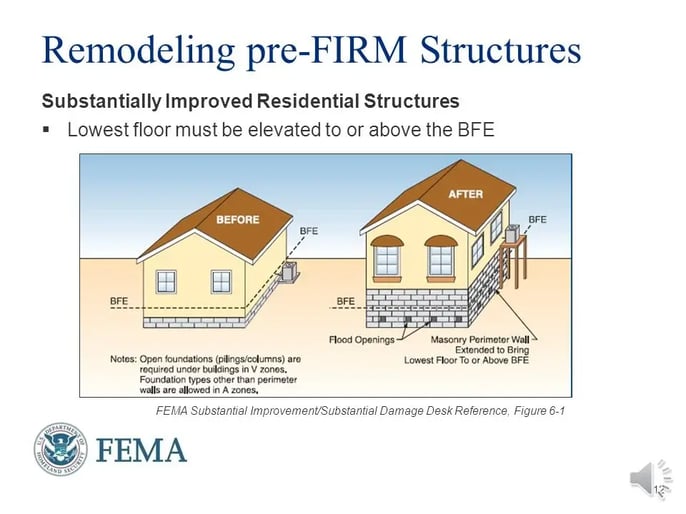
Many inquiries we receive for new construction or renovations on Cape Cod are for properties within FEMA flood zones. Homeowners must be aware that building in these designated A, AE, AO, or V zones is subject to strict design and construction regulations that can significantly alter the original concept for their home.

If you want to know if your home is in a FEMA Flood Zone - Click Here to enter your address and find out!

With the constant uncertainty surrounding federal programs, we believe the most sensible and permanent precaution is to design and build a resilient, flood-resistant home. REEF Builders has vast experience in this specialized area, creating custom homes on Cape Cod that are engineered to meet and exceed coastal building standards, providing peace of mind no matter the situation in Washington.

FEMA Substatial Improvement

Download your FREE Guide to Permitting and Building your Custom Home  on Waterfront and Coastal  Property on Cape Cod here


Source: National Flood Insurance Program is set to expire Tuesday, halting new policies and some home loans - Newsday

Tags: Construction Costs, Cape Cod Real Estate, FEMA flood maps, FEMA flood zones, Home Design, House Design, Cape Cod Design Build, Hurricane, How to build a custom home on Cape Cod, flood insurance

how long does it take to design and Build a Custom Home on Cape Cod

Posted by REEF Builders on Mon, Mar 10, 2025

Understanding the Unique Challenges of Cape Cod Construction

Building a custom home on Cape Cod presents unique challenges that require careful consideration. The region's distinct geography, characterized by its coastal location and environmental regulations, plays a significant role in the construction process. Coastal homes must be designed to withstand elements such as saltwater corrosion, high winds, and potential flooding. Additionally, Cape Cod's strict zoning laws and historical preservation requirements can influence design choices and construction timelines.

367bluHR-55

The natural beauty of Cape Cod is a major draw for homeowners, but it also means that builders must navigate the delicate balance between creating a modern, functional home and preserving the area's aesthetic and ecological integrity. This often requires collaboration with local architects familiar with the Cape's unique architectural styles and environmental constraints.

Key Factors Influencing the Custom Home Building Timeline

Several factors can influence the timeline for building a custom home on Cape Cod. The home's size and complexity are primary determinants; larger homes or those with intricate designs typically require more time to complete. Additionally, the permitting process in Cape Cod can be particularly time-consuming due to local regulations aimed at protecting the environment and maintaining the area's historical character.

IMG_1120

Weather conditions, especially during the winter months, can also impact the construction schedule. Harsh storms and cold temperatures may cause delays, making it crucial for builders to plan for potential disruptions. The availability of skilled labor and materials is another important factor, as Cape Cod's seasonal nature sometimes results in fluctuating demand and supply. 

The Essential Steps in the Custom Home Building Process

The process of building a custom home on Cape Cod involves several key steps, beginning with selecting a qualified design / build firm who understand the local landscape. During the design phase, homeowners work closely with their architect to create a plan that meets their vision while adhering to local regulations and environmental guidelines.

Once the design is finalized, the pre-construction phase begins, involving detailed planning and obtaining necessary permits. This stage is critical for anticipating potential challenges and developing strategies to mitigate them. With most standard projects on Cape Cod, this pre-construction phase can take anywhere from 4-10 months depending on the regulatory requirements.  The construction phase follows, where the foundation is laid, and the structure takes shape. Once building begins, most custom home projects take between 12-15 months again depending on the size of the home and finishes.  Throughout this process, regular site visits and communication with the builder ensure that the project remains on track.

163pocLR-19-1

Partnering with Your Custom Builder for Optimal Results

Choosing the right custom builder is essential for a successful home-building experience on Cape Cod. A reputable builder will have a proven track record of completing projects in the area and a deep understanding of local building codes and environmental considerations. They will also be skilled in managing the construction timeline and coordinating with subcontractors to minimize delays. REEF Builders has been successfully designing, permitting and building new homes and major renovations for 40 years this year!

Effective communication is key to maintaining a smooth workflow. Homeowners should engage with their builder regularly to receive updates and address any concerns promptly. A proactive builder will also provide guidance on material selections and design decisions, helping to avoid potential pitfalls that could disrupt the construction schedule.

Homeowner Tips for Maintaining Construction Momentum

Homeowners play a crucial role in keeping the construction of their custom home on schedule. One of the most important steps is to make decisions about design elements and materials early in the process. Delays in finalizing selections can lead to missed deadlines and scheduling conflicts with suppliers and subcontractors.

367bluHR-57

Sticking to the original design plan as much as possible can also prevent costly and time-consuming changes during construction. If adjustments are necessary, they should be communicated promptly to avoid disrupting the project's flow. Additionally, hiring an interior designer at the outset can streamline decision-making and ensure that the home's interior aligns with the overall design vision. At REEF Builders, we have an interior designer on staff who can help with these critical design decisions.

Ensuring a Seamless Transition from Design to Reality

The transition from design to reality in building a custom home on Cape Cod requires careful planning and execution. This involves creating a detailed project schedule that outlines every phase of construction, from initial site work to final inspections. Regular meetings with the builder, designers, and interior designer will help maintain alignment and address any issues that arise.

Quality control is a critical component of ensuring that the finished home meets expectations. Builders should conduct thorough inspections at each stage of construction, checking for compliance with design specifications and local regulations. By maintaining a focus on quality and communication, homeowners can ensure that their dream home on Cape Cod becomes a reality without unnecessary delays or complications.

Tags: design build, project schedule, How to build a custom home on Cape Cod

What's it like to design and build a Custom Home on Cape Cod?

Posted by REEF Custom Homes on Mon, Jan 04, 2016

You'd really like to have a home on Cape Cod. Perhaps you've looked at some homes, and have found them to be dated, overpriced...just not what you had in mind.

What if you could design a home around your lifestyle, with all the amenities you've come to enjoy, and build that home within your budget? Stress-free?!

Impossible dream? Not for these homeowners. Listen to Joe & Donna describe how they got just the home they wanted, within their budget, without drama or stress. Enjoy the brief video tour:

Homeowners describe the process of designing and building their custom home on Cape Cod.

Brewster Bayview Cape by REEF Custom Homes

Homeowners describe the process of designing and building their custom home on Cape Cod.

Tags: Designing and building a home on Cape Cod, How to build a custom home on Cape Cod

Subscribe to Email Updates

Latest Posts