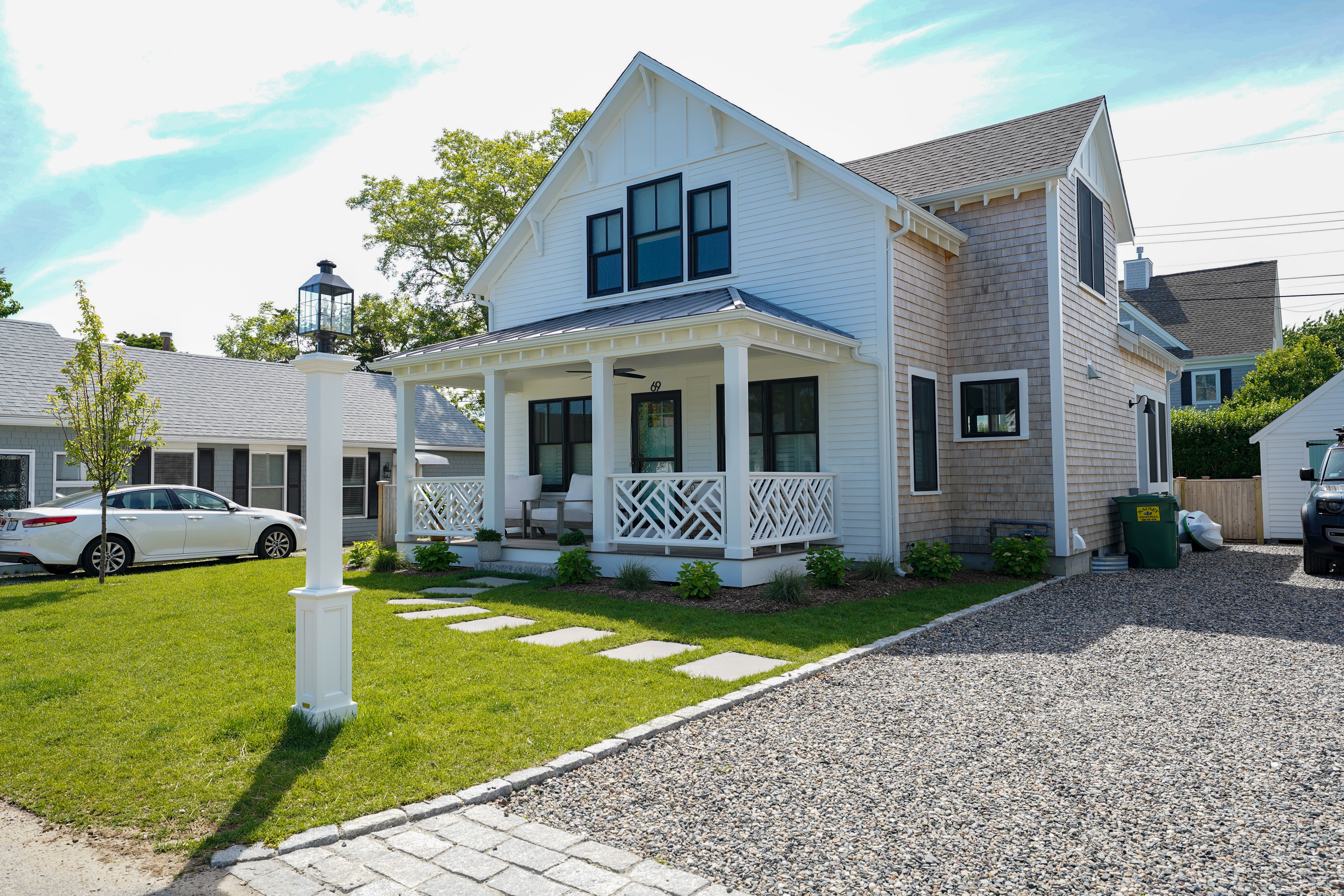
Part 3 of REEF Builders' From Vision to Home Design-Build Series
When most people think about building a custom home, they picture the construction process.
Excavation. Foundations. Framing. Windows. Roofing. Interior finishes.
But some of the most important work on a custom home or major renovation happens long before construction begins.
It's called pre-construction planning, and it's one of the most valuable parts of working with an experienced design-build contractor.
At REEF Builders, we've spent more than 40 years designing, renovating, and building homes on Cape Cod. One lesson we've learned is that the time invested in thoughtful planning can have a tremendous influence on the success of a project.
The better prepared a project is before construction begins, the more effectively the entire team can manage the challenges that follow.
What Exactly Is Pre-construction Planning?
Pre-construction is the process of transforming an architectural concept into a coordinated, buildable project.
It involves much more than preparing drawings and obtaining a building permit.
The design team must consider the property, regulatory requirements, engineering, materials, specifications, construction methods, and scheduling.
For a new custom home, this might include reviewing surveys, evaluating site conditions, coordinating structural engineering, developing construction details, and identifying permitting requirements.
For a major renovation, it can also involve evaluating the existing structure, reviewing mechanical systems, investigating concealed conditions where practical, and determining how new construction will connect with the original home.
These activities aren't always visible to the homeowner, but they can have an enormous impact on the construction experience.
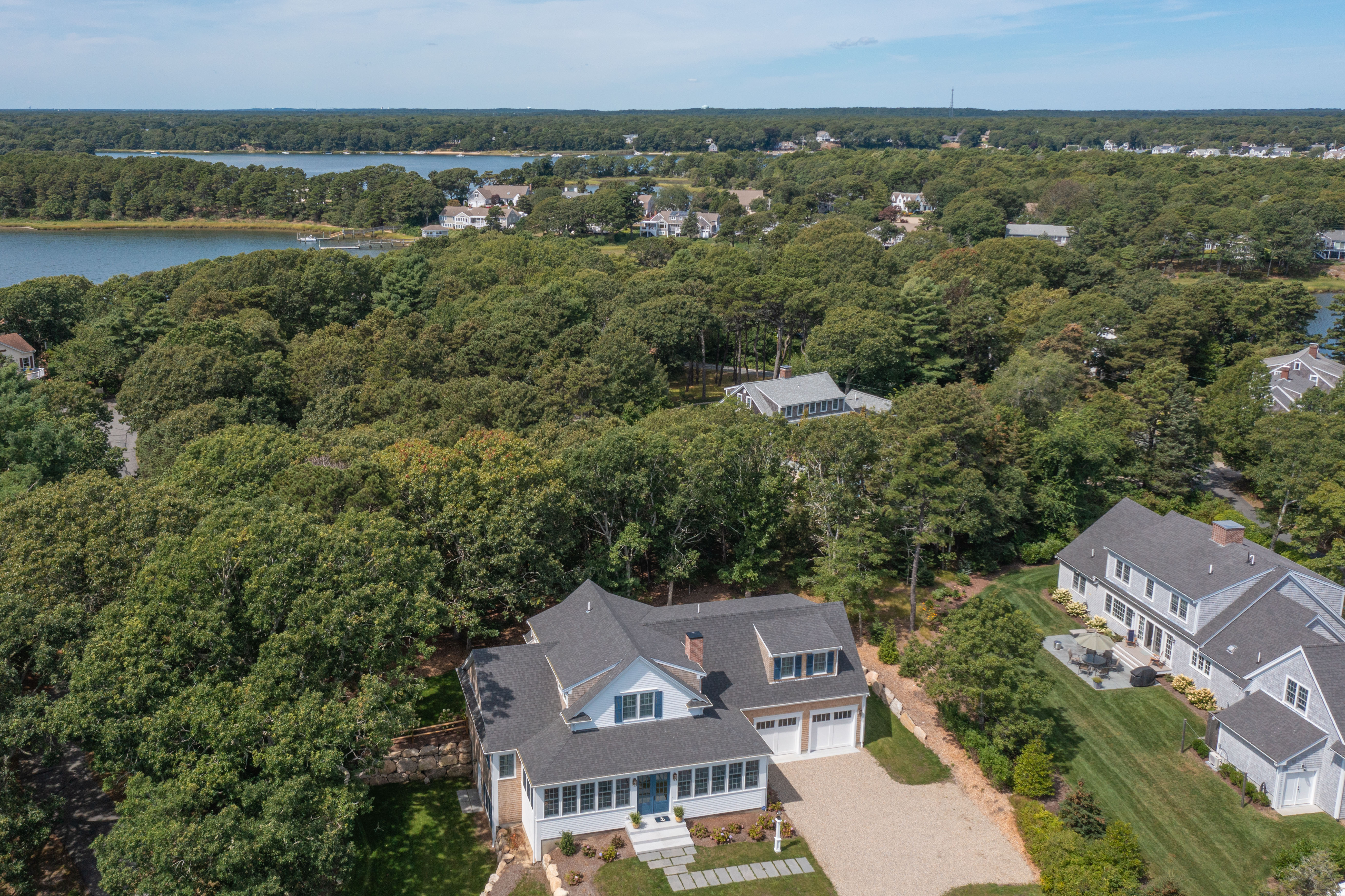
Understanding the Challenges of Building on Cape Cod
Cape Cod offers extraordinary opportunities for custom home construction, but it also presents challenges that require local knowledge.
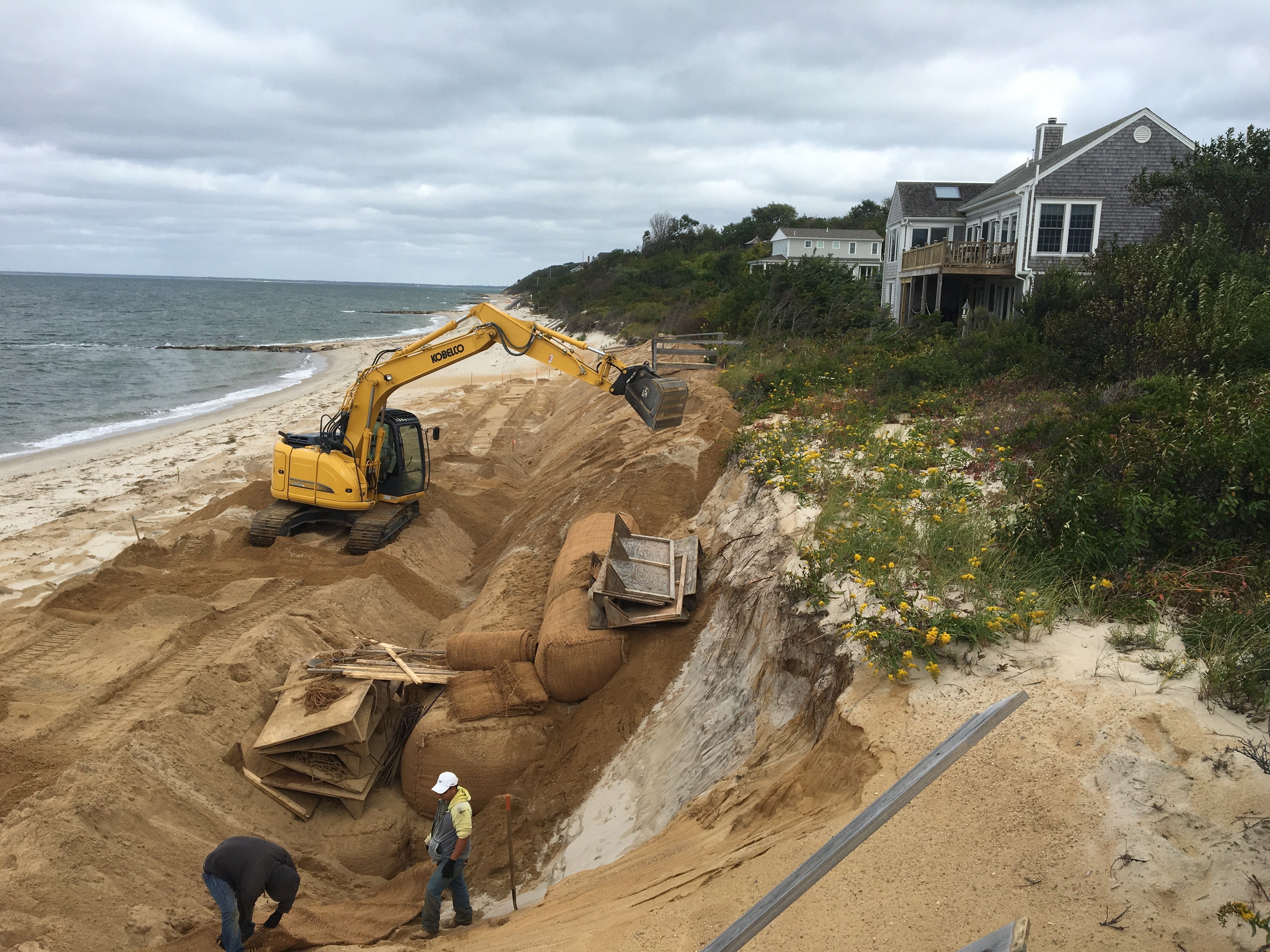
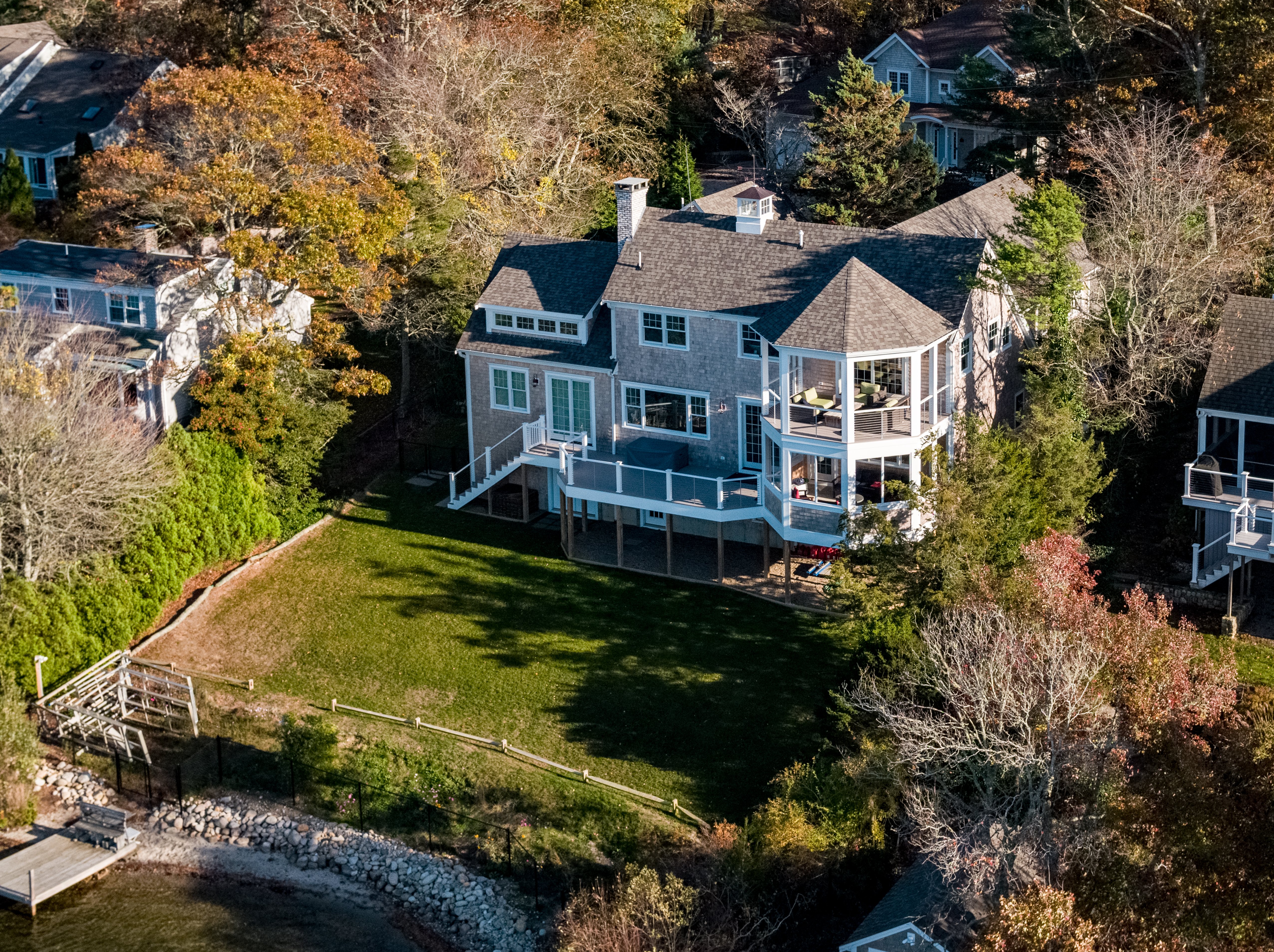
A beautiful waterfront property may be subject to coastal flood requirements, wetlands regulations, or conservation restrictions.
A home in an established village may need to comply with historic-district guidelines.
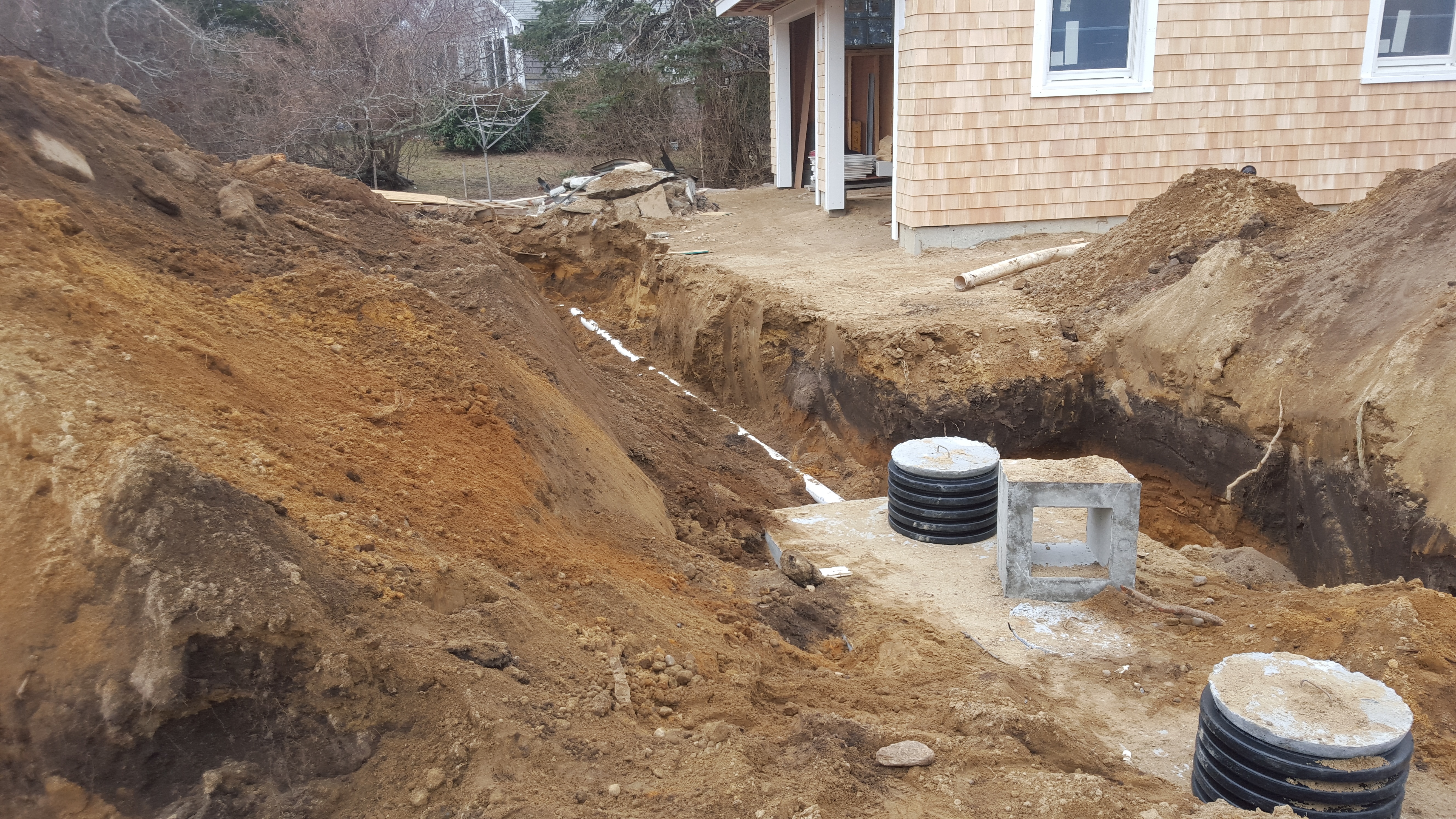
An older property may have septic limitations, restrictive setbacks, or lot coverage requirements.
Even seemingly straightforward properties can involve drainage, access, grading, or utility challenges.
Understanding these conditions early helps the design and construction team determine what's feasible and what additional professional expertise may be needed.
At REEF, we believe that evaluating these issues should be an integral part of the design process—not something left until the plans are complete.
Bringing the Right Professionals Together
A sophisticated custom home requires the expertise of many professionals.
Depending on the project, that may include architects, structural engineers, surveyors, civil engineers, septic designers, energy consultants, interior designers, and permitting specialists.
Each contributes important information.
The challenge is making sure their work is coordinated.
For example, a structural beam may affect ceiling heights or mechanical ductwork. A window configuration may influence structural framing. A kitchen design may require specific plumbing, electrical, or ventilation provisions.
When these decisions are made independently, conflicts can emerge during construction.
One of the principal advantages of design-build is bringing these disciplines together early enough to identify and resolve many of those conflicts before work begins.
Turning Beautiful Designs Into Buildable Plans
Architectural drawings communicate the vision for a home.
But construction requires considerably more detail.
How will a complicated roof intersection be framed and waterproofed?
Where will mechanical equipment and ductwork be located?
How will large window openings be supported?
What materials are appropriate for the property's coastal exposure?
How will an addition connect to the existing foundation, framing, and roof?
These are practical questions that benefit from construction experience during design.
At REEF, our design and construction teams work together to consider these details before they become field decisions.
That collaboration can improve coordination, help preserve the architectural intent, and reduce avoidable revisions during construction.
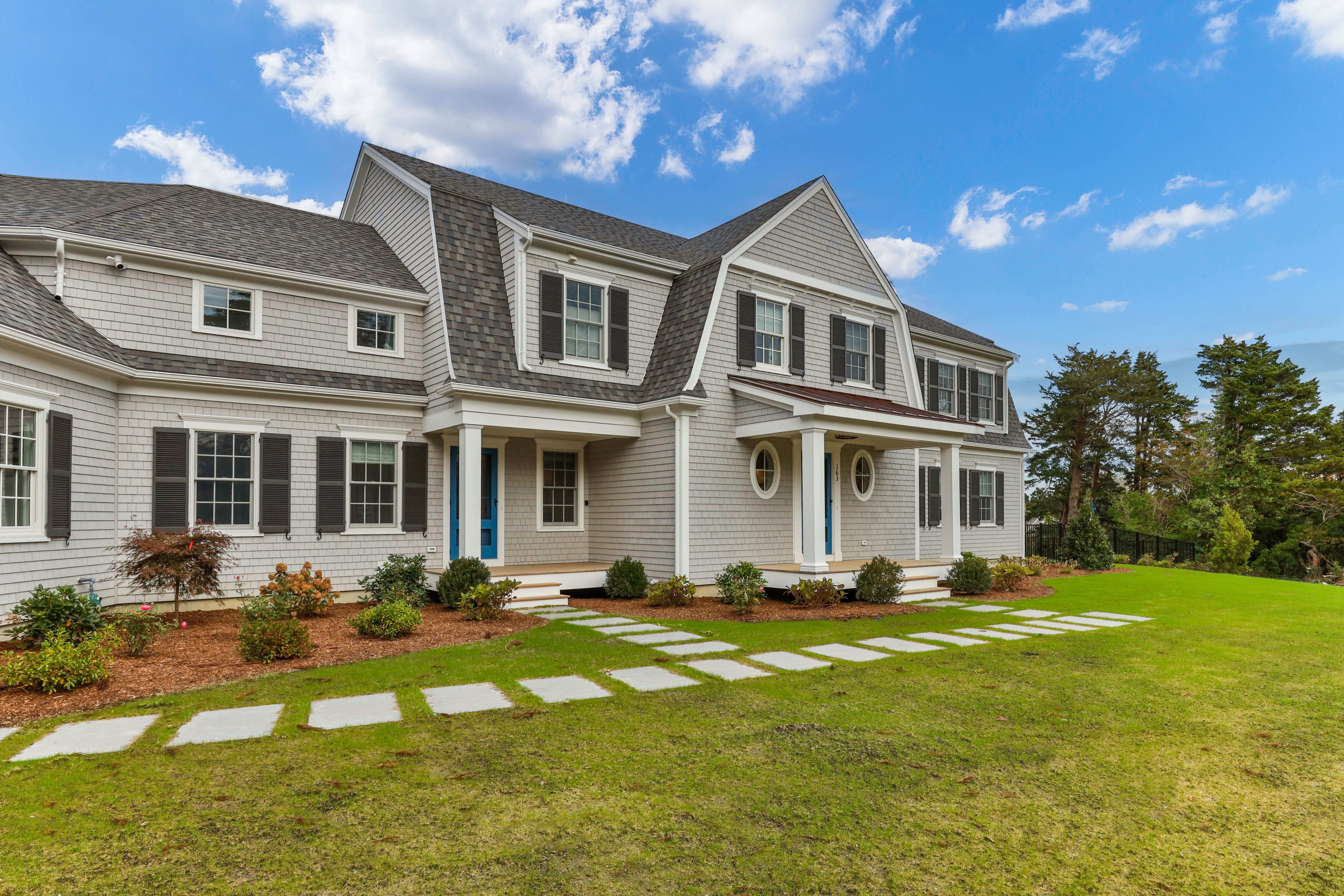
Identifying Problems Before They Become Expensive
One of the greatest benefits of pre-construction planning is the opportunity to identify potential problems while solutions remain relatively flexible.
Consider a major renovation where an existing wall is scheduled for removal.
Understanding its structural role before construction begins allows the team to evaluate the required engineering and develop an appropriate solution.
Or consider a waterfront property with limited construction access.
Planning how materials, equipment, and subcontractors will reach the site can influence the construction approach and schedule.
Custom windows, cabinetry, specialty appliances, and other products may also require substantial lead times.
Identifying those requirements early allows purchasing decisions to be coordinated with the anticipated construction schedule.
Not every challenge can be predicted, particularly when renovating an older home.
But experience and preparation can help reduce the number of problems that must be solved under the pressure of an active construction schedule.
Preparing for Construction
As the project moves toward construction, pre-construction planning becomes increasingly detailed.
The team works to finalize construction drawings, coordinate engineering, develop specifications, review costs, obtain necessary approvals, and establish a construction schedule.
Important material selections and purchasing requirements are identified.
Subcontractor scopes are coordinated.
Site logistics are considered.
For major renovations, the team may also need to plan how to protect existing portions of the home, manage temporary utilities, or accommodate an occupied property.
The objective is to enter construction with a coordinated plan and a clear understanding of the work ahead.
This preparation doesn't eliminate unforeseen conditions, weather delays, or changes requested by the homeowner.
It does, however, provide a stronger foundation for managing them.
Why Experience Makes a Difference
Every custom home is different.
Every property presents its own opportunities and limitations.
And every homeowner brings a unique set of expectations.
After more than four decades and over 1,500 residential projects on Cape Cod, REEF has developed extensive experience navigating the design, permitting, and construction challenges associated with this region.
That experience helps us recognize potential issues, ask important questions, and coordinate the many professionals involved in a successful project.
For our clients, the value isn't simply having an experienced contractor available once construction begins.
It's having that experience involved in the decisions leading up to construction.
A Better Building Experience Begins Long Before Groundbreaking
A successful custom home isn't simply designed and then built.
It's carefully planned, coordinated, and prepared for construction.
That's why we believe preconstruction deserves as much attention as the construction process itself.
Thoughtful planning allows the architectural vision, property conditions, engineering, material selections, and construction requirements to come together before work begins.
And when those elements are coordinated early, the entire project is better positioned for success.
The best time to solve a construction problem is before construction begins.
What's Next: Making Important Selections Early
In Part 4 of our From Vision to Home series, we'll explore another essential part of pre-construction planning: selecting cabinetry, appliances, plumbing fixtures, lighting, windows, and interior finishes.
We'll explain why making these decisions early can improve coordination, support more meaningful construction pricing, and help keep the project moving once construction is underway.
Considering a Custom Home or Major Renovation on Cape Cod?
Whether you're planning a new waterfront home, renovating a longtime family property, or considering a major addition, involving an experienced design-build team early can make a meaningful difference.
At REEF Builders, we bring design, estimating, permitting, interior selections, and construction expertise together to help guide projects from the earliest planning stages through completion.
Thinking about building or renovating? Let's start with a conversation.
Visit CapeCodBuilder.com to learn more about REEF Builders and our design-build approach to custom homes and major renovations on Cape Cod.