The Best Time to Solve a Construction Problem Is Before Construction Begins
Building a custom home is one of the largest and most personal investments most people will ever make.
It is also a complicated process.
Architecture, engineering, permitting, budgeting, interior design, product selections, purchasing and construction all have to come together to create the finished home. When those pieces are handled independently, important decisions can sometimes be made without fully understanding how they will affect another part of the project.
After more than 40 years of designing, renovating and building homes on Cape Cod, we've learned that some of the most successful projects share one important characteristic:
The design and construction teams begin working together early.
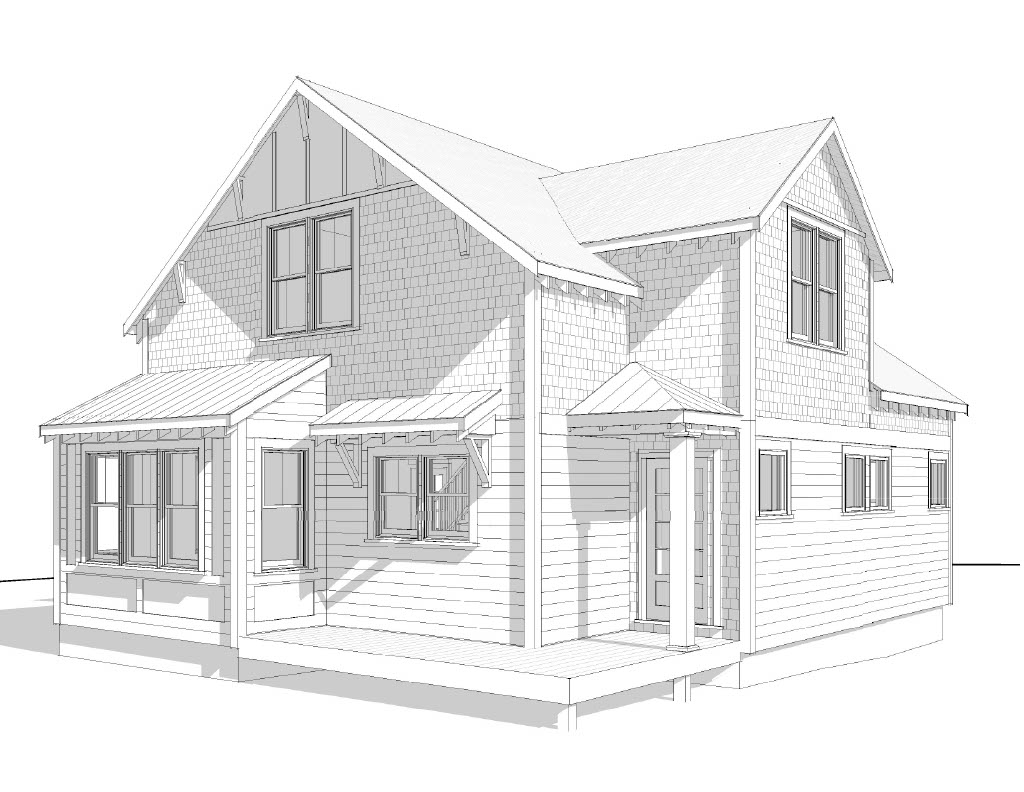
That is the fundamental idea behind the design-build process.
Instead of designing an entire home and then determining what it will cost to build, design-build brings architectural design, construction knowledge, estimating and selections together from the beginning.
The result can be a better-designed home, more reliable pricing, fewer changes during construction and a much more predictable experience for the homeowner.
What Is Design-Build?
In a traditional approach to custom home construction, a homeowner may first hire an architect to design the house.
Once the plans are substantially complete, those drawings are provided to one or more builders for pricing.
That process can work well, but it can also create an important challenge:
Many of the decisions that determine construction cost have already been made before the builder becomes involved.
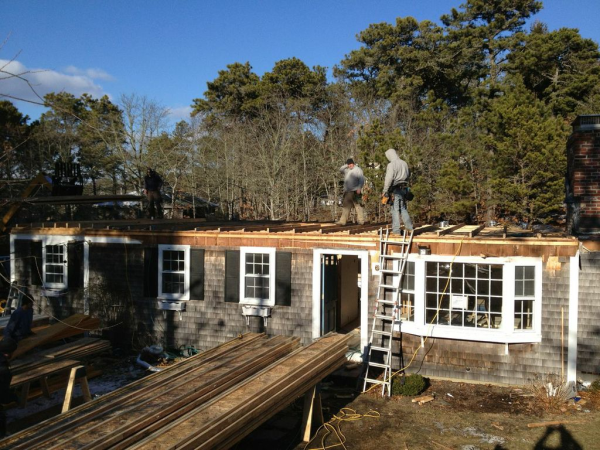
If the resulting construction price is substantially higher than the homeowner's budget, the project may need to return to the design phase for revisions.
Design-build approaches the process differently.
The design and construction sides of the project work collaboratively from the beginning.
As architectural ideas develop, they can simultaneously be evaluated for:
- Construction feasibility
- Estimated cost
- Material availability
- Site conditions
- Regulatory requirements
- Energy and mechanical systems
- Product lead times
- Construction sequencing
Instead of treating design and construction as two separate processes, they become parts of the same conversation.
Design to a Budget Rather Than Price a Finished Design
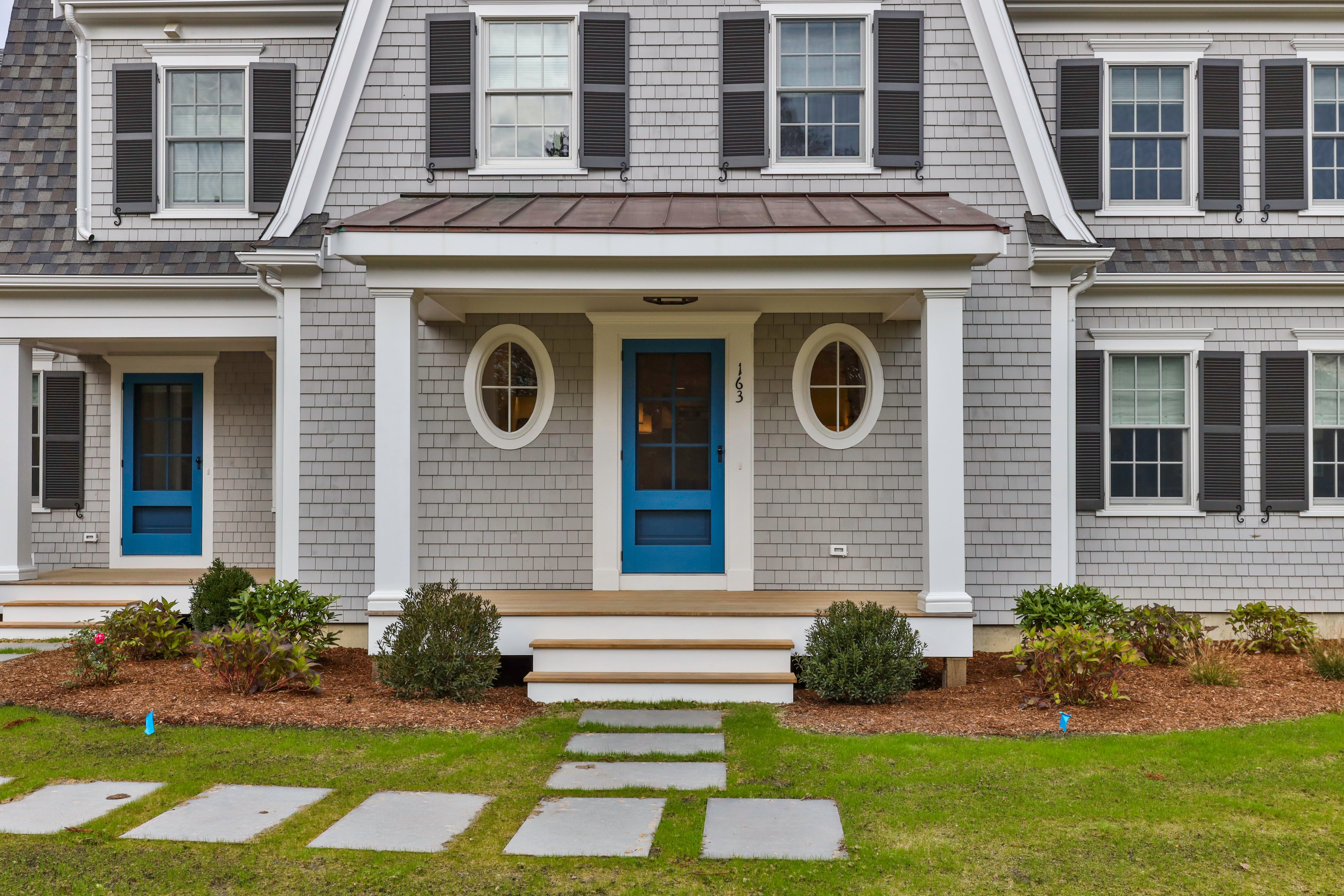
One of the greatest advantages of design-build is the ability to consider budget while the home is still being designed.
Imagine spending many months developing the plans for your dream home only to discover after bidding that the cost of construction significantly exceeds the amount you intended to invest.
At that point, reducing the cost may require redesigning portions of the house, changing materials or eliminating features that have already become important parts of the vision.
That can be frustrating for everyone involved.
A design-build process allows the team to establish a realistic target budget early and continually evaluate the evolving design against it.
If a particular architectural feature has a significant cost impact, the homeowner can understand that impact while the feature is still being discussed.
If there is a more cost-effective way to accomplish the same design objective, that alternative can be explored before the drawings are completed.
This isn't about making a home less distinctive.
It's about making informed decisions.
The objective is to design the best possible home within the investment the homeowner is comfortable making.
Accurate Pricing Requires More Than Architectural Plans
As we've discussed throughout this custom home planning series, square footage alone doesn't determine the cost of a custom home.
Specifications matter enormously.
Windows, doors, cabinetry, appliances, plumbing fixtures, flooring, tile, lighting, countertops, mechanical systems and exterior materials can dramatically affect the final construction price.
That's why the selection process should happen alongside design and estimating whenever possible.
The more information the construction team has, the more accurately the project can be priced.
Rather than relying heavily on allowances and assumptions, actual selections can be incorporated into the construction budget.
That provides homeowners with something extremely valuable before construction begins:
Greater confidence in what they're building and what it is expected to cost.
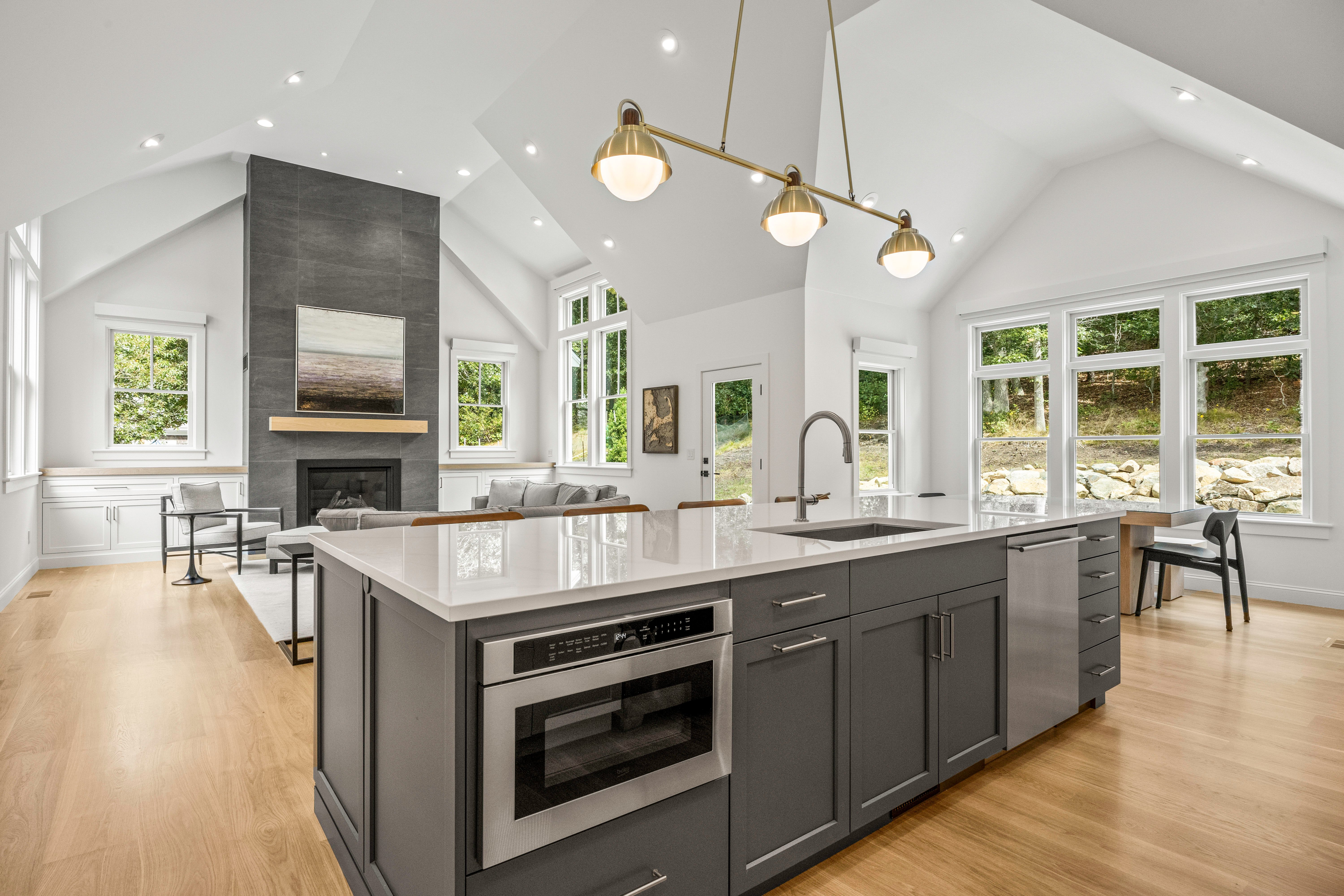
Cape Cod Makes Early Collaboration Especially Important
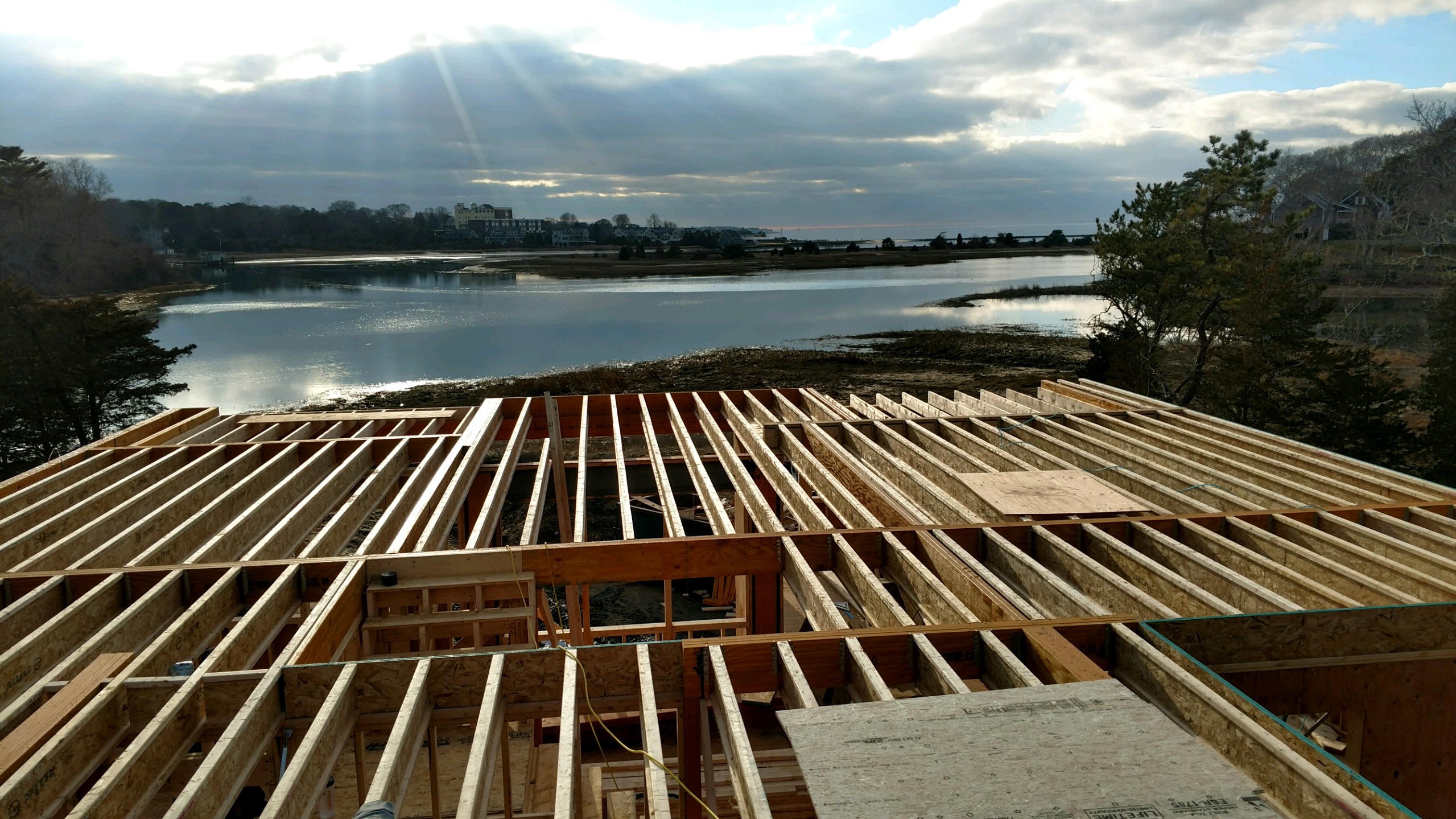
Building on Cape Cod presents considerations that may not exist in other parts of the country—or even other parts of Massachusetts.
Depending on the property, a project may involve:
- Conservation Commission review
- Wetland setbacks
- Coastal flood zones
- Septic requirements
- Zoning restrictions
- Lot coverage limitations
- Historic district review
- Coastal engineering
- Specialized foundation requirements
- Stormwater management
- Neighborhood architectural considerations
Properties located along the waterfront, adjacent to wetlands or within historic districts can require additional planning and regulatory review.
When the design team understands those constraints from the beginning, the home can be developed around them.
That's considerably more efficient than completing a design and discovering later that portions of it need to change because of a regulatory or site constraint.
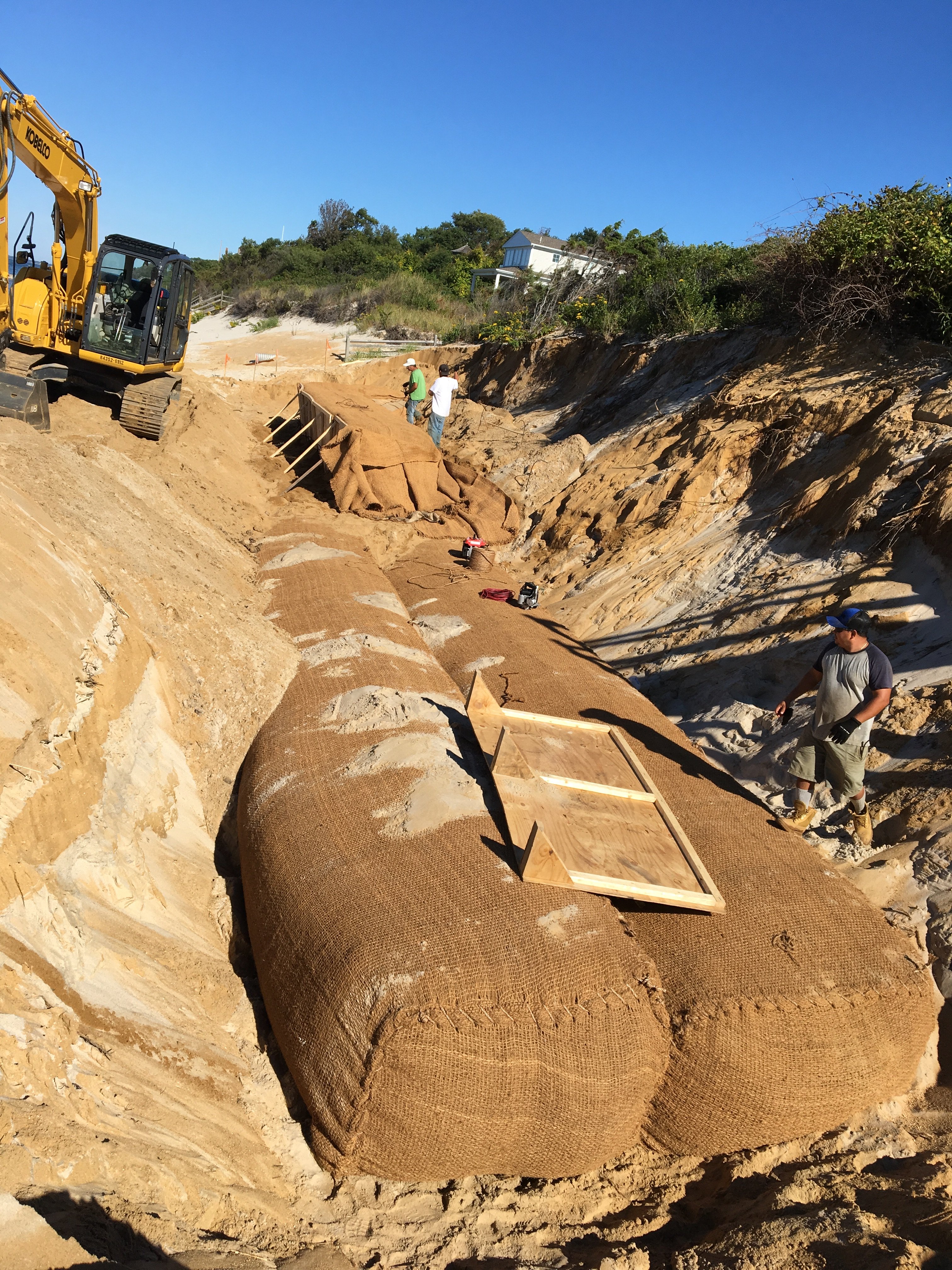
Construction Knowledge Can Improve the Design
Experienced builders look at architectural drawings differently than homeowners or designers.
They naturally begin thinking about how the building will actually go together.
How will the structure be supported?
How will water drain away from the building?
Where will mechanical systems run?
Can the proposed materials withstand Cape Cod's coastal environment?
How will a particular architectural detail be constructed?
Is there a simpler way to achieve the same visual result?
These conversations can improve the finished design.
For example, a proposed window configuration may look beautiful on an elevation. Early involvement from the construction team allows the group to simultaneously consider structural requirements, installation details, product availability and cost.
The homeowner can then make the decision with a complete understanding of the options.
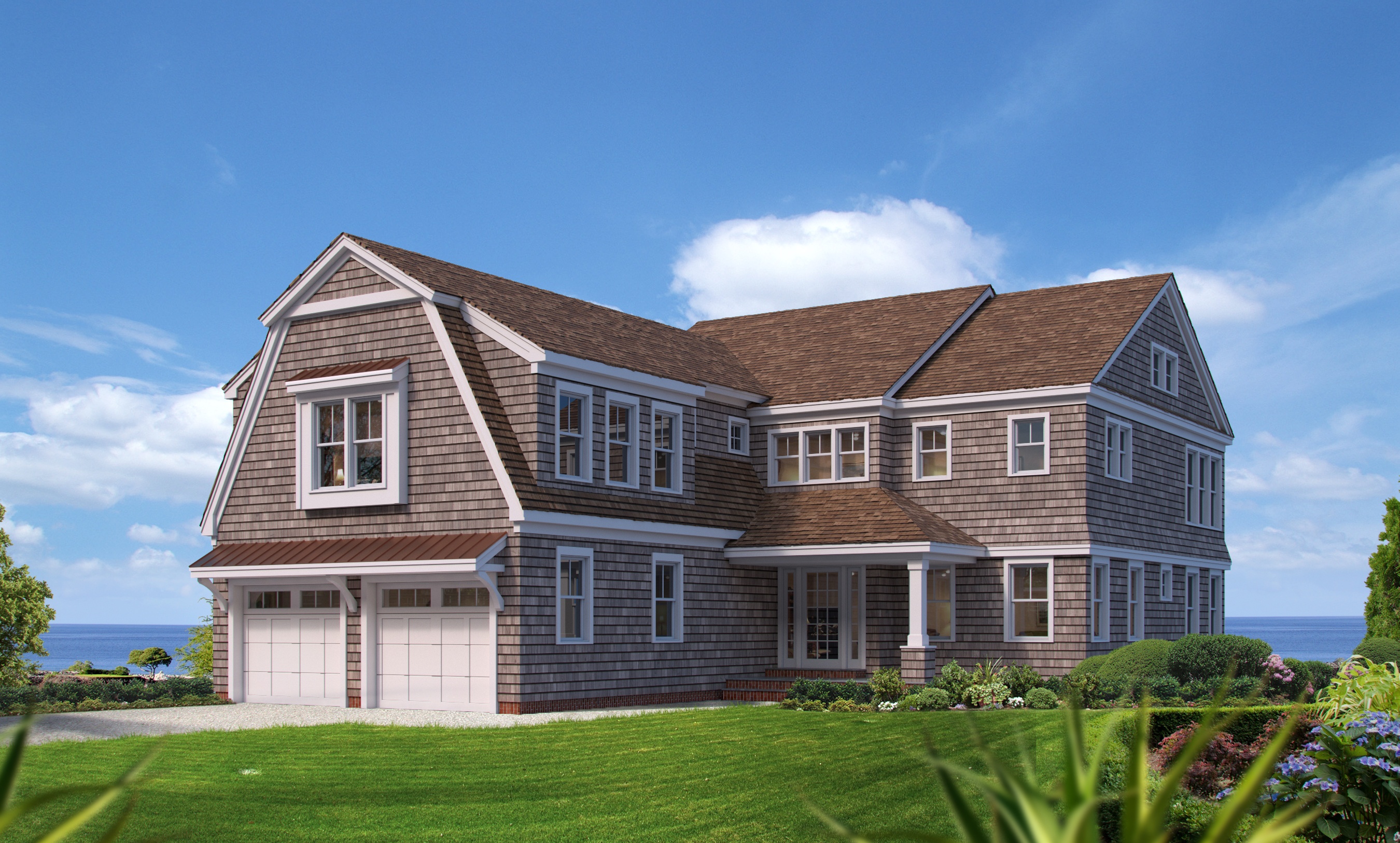
Interior Design Decisions Affect Construction Too
The same principle applies inside the home.
Cabinetry affects electrical layouts.
Appliances affect cabinetry and mechanical requirements.
Plumbing fixtures determine rough plumbing locations.
Lighting selections influence electrical planning.
Tile layouts can affect framing and substrate requirements.
Fireplaces can influence structure, mechanical systems and cabinetry.
These decisions aren't simply decorative.
They're interconnected construction decisions.
When the interior design, architectural and construction teams communicate early, those details can be coordinated before the trades arrive on site.
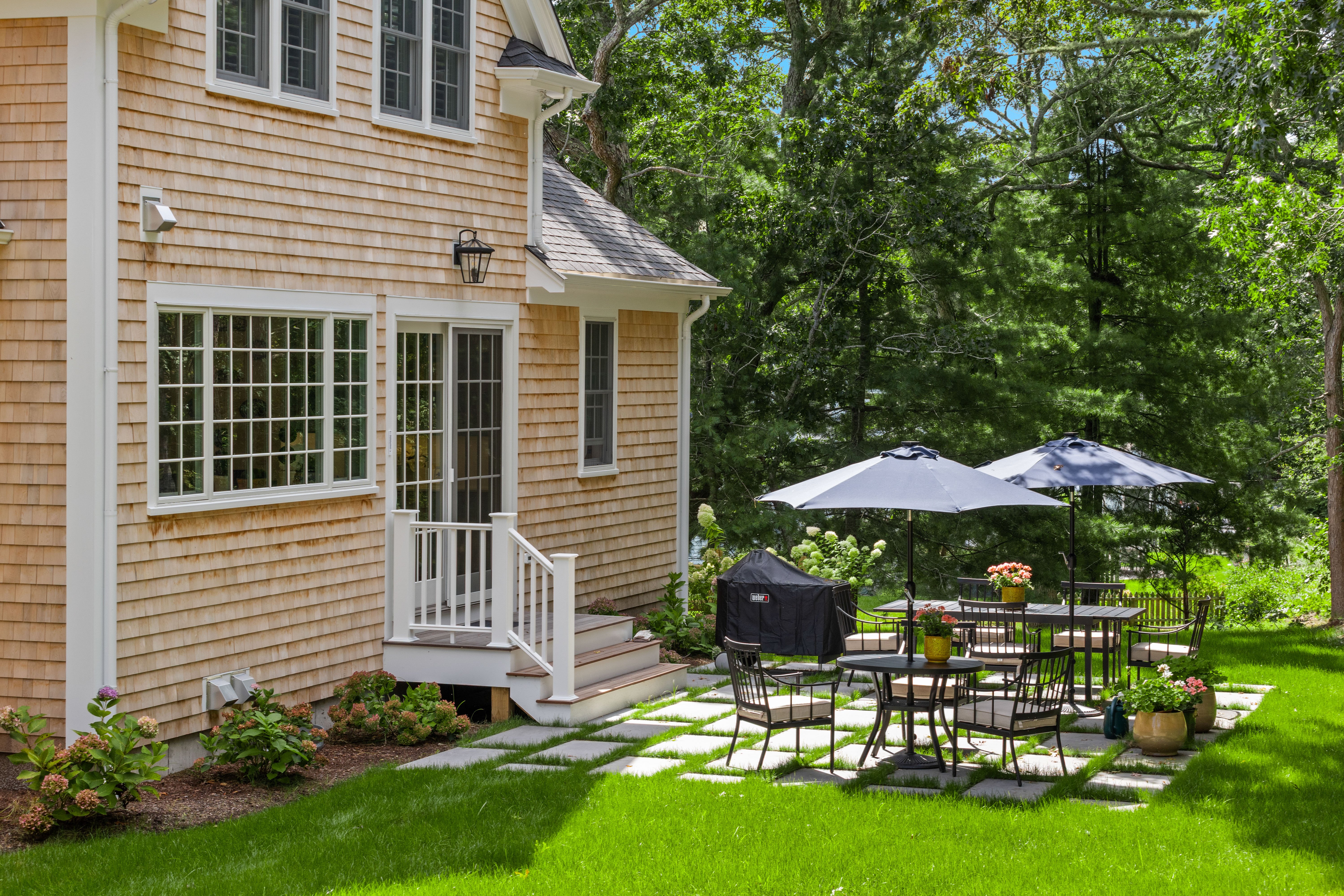
Make Changes on Paper, Not in the Field
There is an old principle in construction that remains true:
Changes are easier and less expensive to make on paper than they are after construction begins.
Moving a wall on an architectural drawing is relatively simple.
Moving that same wall after it has been framed, wired and plumbed is another matter entirely.
The same applies to windows, cabinetry, plumbing fixtures, lighting and countless other components of a custom home.
Design-build encourages homeowners to work through important decisions during preconstruction when changes can be evaluated thoughtfully.
That preparation can significantly reduce costly changes during construction.
Early Selections Help Protect the Schedule
Selections also have a direct relationship to the construction schedule.
Many products used in luxury custom homes have substantial lead times.
These can include:
- Custom windows
- Exterior doors
- Cabinetry
- Specialty appliances
- Plumbing fixtures
- Decorative lighting
- Specialty tile
- Custom millwork
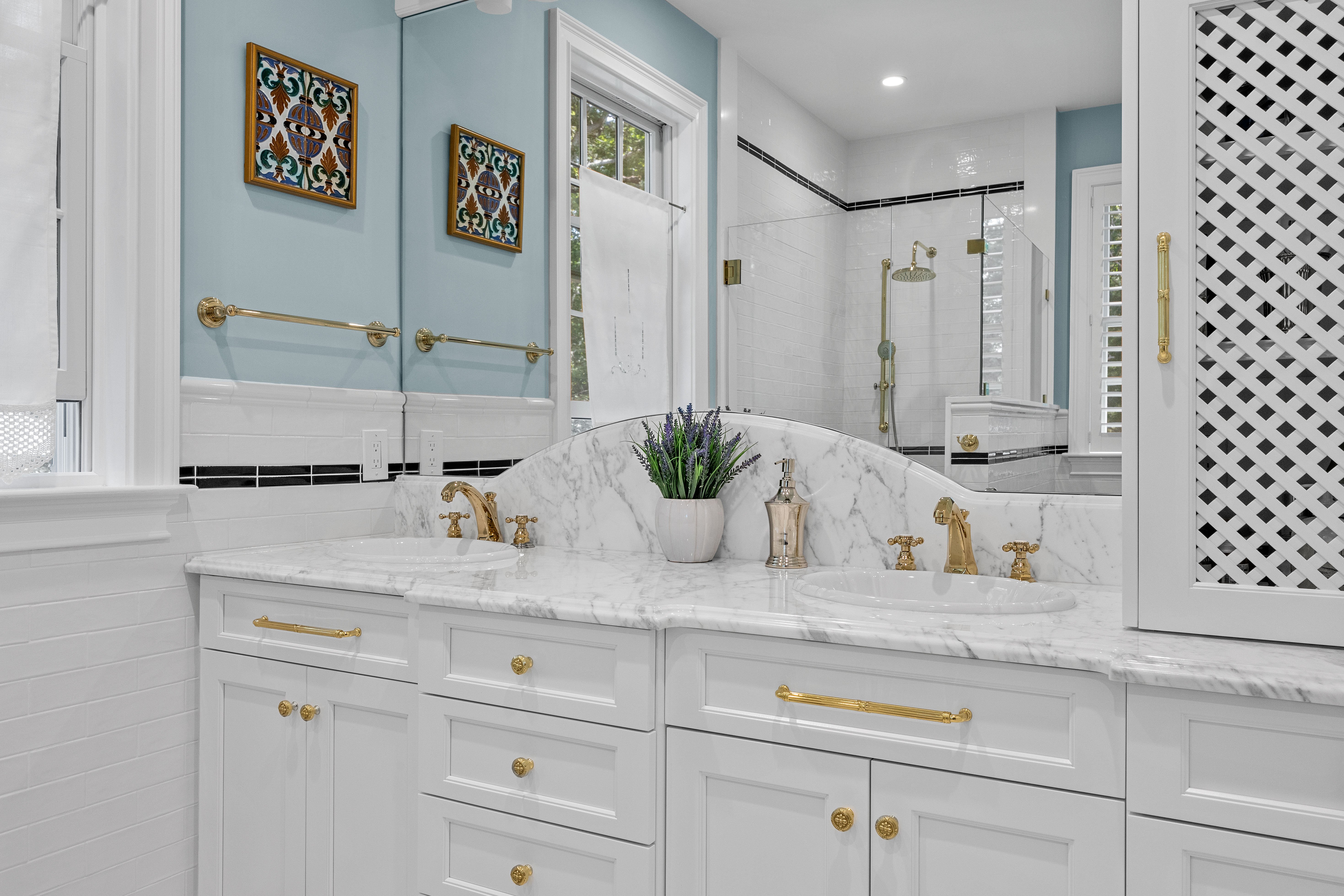
If these products aren't identified until they're needed on the jobsite, construction can be delayed while the project waits for materials.
An integrated design-build process allows long-lead items to be identified earlier so purchasing can be coordinated with the construction schedule.
One Team, One Shared Goal
Perhaps the greatest advantage of design-build is communication.
Instead of having separate organizations working independently, the project team shares information throughout the process.
Designers understand budget considerations.
Estimators understand design priorities.
Construction professionals understand the homeowner's vision.
Interior designers understand scheduling requirements.
And homeowners have a team that can help them understand how one decision may affect another.
That doesn't eliminate every challenge.
Custom homes are complicated projects, and unexpected conditions can occur.
But when the entire team is communicating from the beginning, challenges can often be identified earlier and resolved more efficiently.
Better Planning Creates a Better Construction Experience
A successful custom home shouldn't require homeowners to make major decisions under pressure throughout construction.
Ideally, many of those decisions have already been made.
Before excavation begins, the goal should be to have:
- A carefully developed architectural design
- A clear understanding of site conditions
- Required regulatory approvals
- Detailed construction specifications
- Major fixture and finish selections
- A realistic construction budget
- Long-lead products identified
- A coordinated project schedule
That level of preparation requires time.
But it can make the construction phase considerably more predictable.
From the First Conversation to the Finished Home
For most REEF Builders custom homes, the complete process from the beginning of planning through move-in generally requires approximately 18 to 24 months, with more complex properties potentially requiring additional time.
That is one reason we encourage prospective homeowners to involve their builder early.
The builder's most valuable contribution shouldn't begin when excavation starts.
It should begin when the first important decisions about the property, design, specifications and budget are being made.
At REEF Builders, our design-build process brings site evaluation, architectural design, permitting, estimating, interior selections and construction together as one coordinated process.
Our objective isn't simply to build the house shown on a set of plans.
It's to help homeowners make informed decisions throughout the journey so the finished home reflects their lifestyle, their priorities and their investment.
Planning a Custom Home on Cape Cod?
If you're considering building a new home, renovating an existing Cape Cod property or evaluating land for a future project, involving an experienced design-build team early can help you understand what's possible before major decisions are made.
Visit CapeCodBuilder.com to explore our portfolio of custom homes, learn more about our design-build process and speak with the REEF Builders team about your project.
The best time to solve a construction problem is before construction begins—and the best custom homes begin with a team that plans together.