Why Custom Home Budgets Go Off Track on Cape Cod
Building a custom home on Cape Cod is one of the most exciting investments you'll make. Yet according to industry research, budget overruns affect a significant percentage of custom home projects—and the causes often surprise homeowners.

Most budget problems don't begin during construction. They start months earlier, during planning and design, when critical decisions get delayed or overlooked. Understanding these risk factors early gives you the power to prevent them.
Cape Cod presents unique building challenges that mainland projects don't face. FEMA flood zone requirements, Conservation Commission reviews, and Massachusetts energy codes all add layers of complexity. When you partner with a builder who understands these local factors, you protect both your budget and your timeline.
Step 1: Establish a Realistic Budget Before Design Begins
One of the most common mistakes homeowners make is designing their dream home first and worrying about costs later. This approach frequently results in beautiful plans that exceed what you can comfortably spend.
A smarter approach is establishing your realistic budget range before architectural work advances too far. This allows your design team to create a home that aligns with both your wish list and your financial goals from day one.
REEF Cape Cod's Home Builder starts every project with a detailed preliminary budget discussion. This helps you understand approximate construction costs, site development expenses, utility servicing needs, and potential upgrade costs before investing heavily in design.
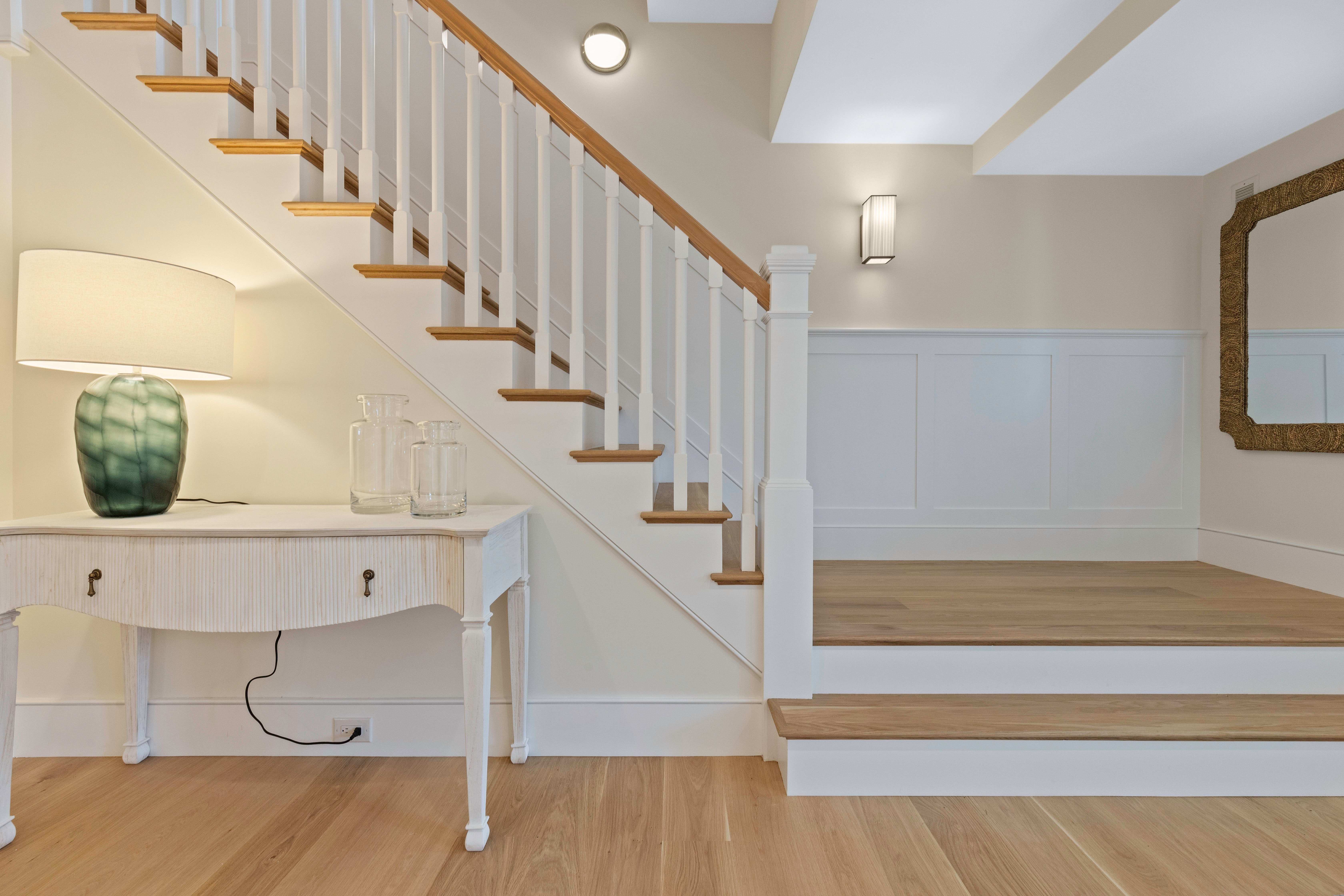
Step 2: Create a Detailed Wish List and Prioritize Features
Every successful custom home project begins with understanding exactly what you want. Before any plans are drawn, take time to create a detailed wish list that includes:
- Total home size and number of bedrooms
- Ceiling heights and special room requirements
- Garage and storage needs
- Kitchen features and appliance preferences
- Outdoor living spaces and landscaping goals
- Desired finish level throughout the home
The more detailed your wish list, the easier it becomes to prepare an accurate budget. This also helps you prioritize features that matter most if adjustments become necessary later in the process.
Rank each item as "must have," "would like," or "nice to have." When you're clear about priorities from the start, you can make informed trade-offs without feeling like you're compromising your vision.
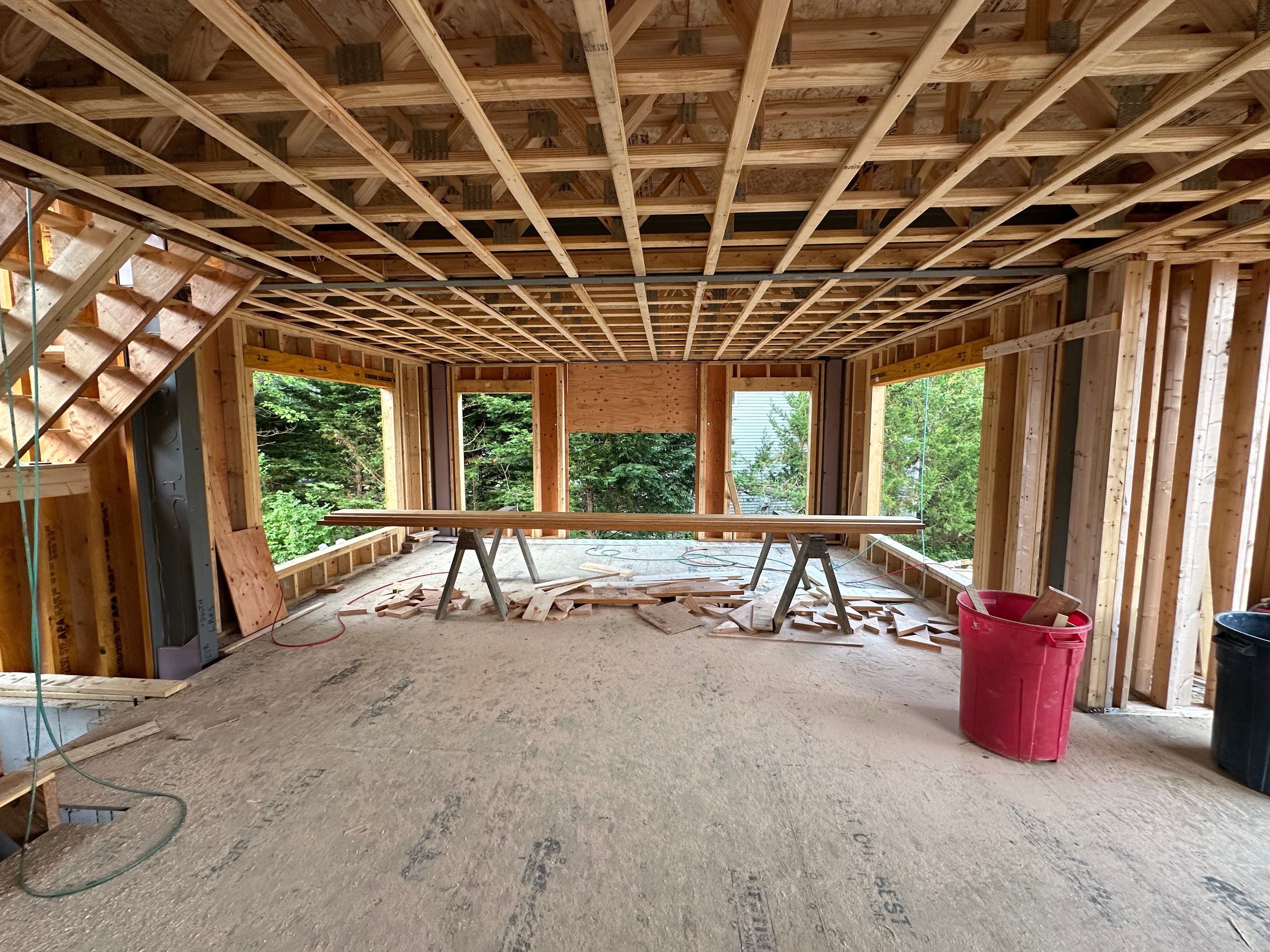
Step 3: Understand Your Building Site's True Costs
No two Cape Cod properties are exactly alike. Site conditions have a major impact on construction costs—and they're often underestimated.
Two homes with identical floor plans can have very different budgets depending on the land they're built on. Important factors that affect your bottom line include:
- Topography and grading requirements
- Soil conditions and drainage needs
- Utility availability and connection distances
- Septic system or sewer requirements
- Driveway length and access conditions
For Cape Cod waterfront properties, REEF's specialized expertise in FEMA flood zone construction becomes particularly valuable. Properties in FEMA A, AE, AO, or V flood zones require special design and construction considerations that can dramatically change both your home's design and your budget.
Step 4: Navigate Cape Cod's Permitting Landscape
Cape Cod is one of the most regulated building environments in New England. Properties near the water typically fall within FEMA flood zones, where construction must comply with National Flood Insurance Program standards and local floodplain ordinances.
Properties near wetlands, ponds, streams, or coastal banks require Conservation Commission review under the Massachusetts Wetlands Protection Act. Historic districts require additional approvals before exterior work can begin.
Permitting delays are a leading cause of timeline overruns—and timeline delays often translate into budget increases. Working with a builder who has established relationships with local boards and commissions can mean the difference between smooth approvals and costly setbacks.
REEF brings over 35 years of experience navigating Cape Cod's permitting requirements across every town on the peninsula. This local expertise helps your project move forward efficiently instead of getting stuck in regulatory limbo.
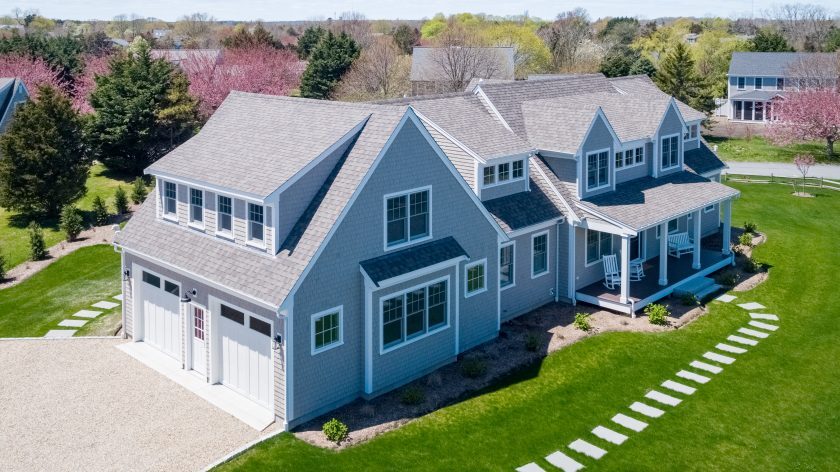
Step 5: Choose the Design-Build Approach
Many homeowners think they need to hire an architect first, then find a builder later. This traditional approach often leads to a disconnect between design, budget, and construction reality.
Making design decisions without real-time construction cost feedback frequently results in plans that don't reflect a realistic budget. You end up paying for redesigns, facing uncomfortable trade-offs, and losing precious time.
A design-build approach—where design and construction expertise work together from the beginning—helps avoid redesign cycles, major budget overruns, and most timeline delays. Your builder can flag potential cost issues before they're locked into architectural drawings.
REEF's design-build partnership ensures continuity from your first design meeting through final construction. This integrated approach gives you real-time cost feedback at every decision point, so you always know exactly where you stand financially.
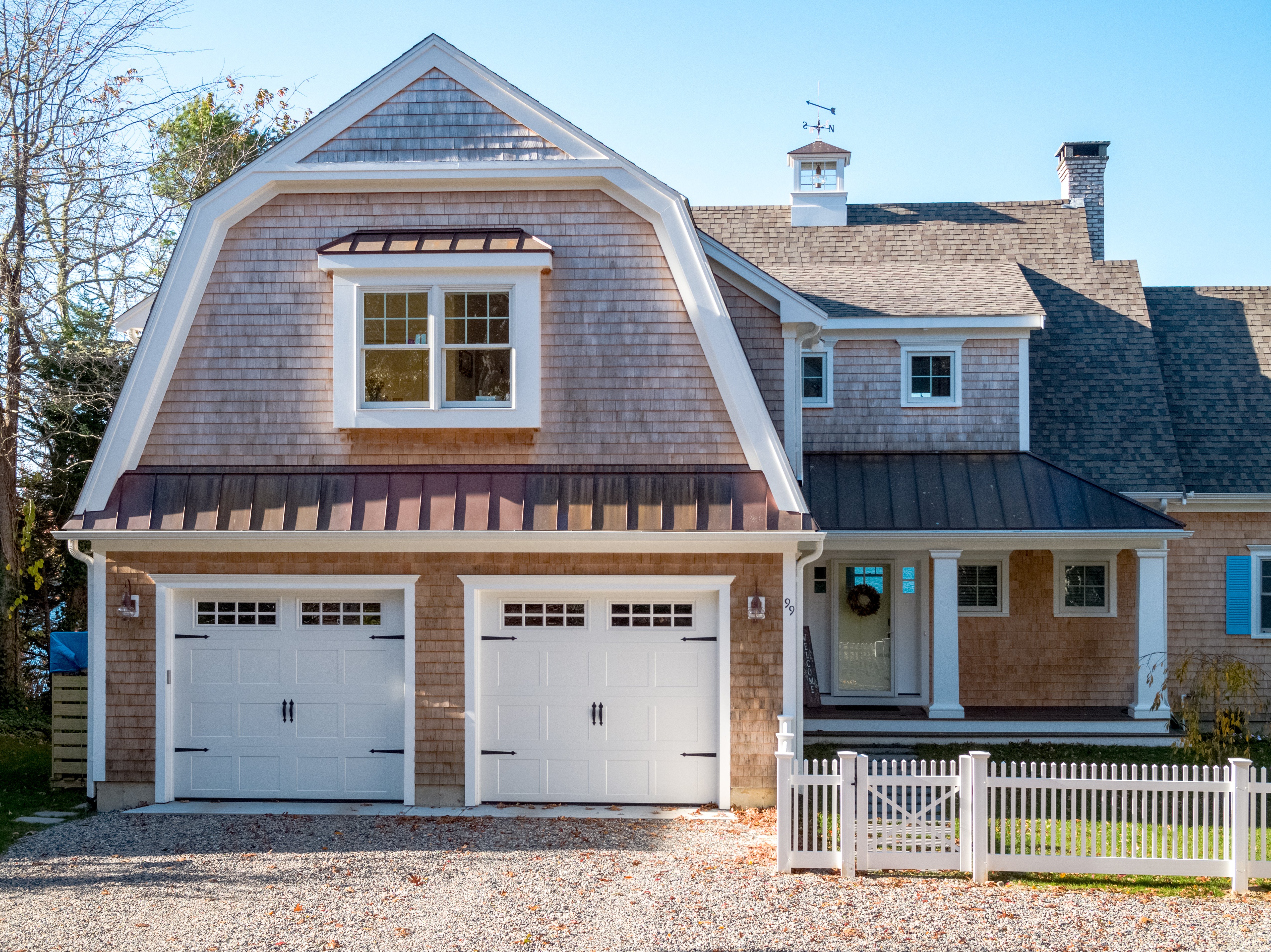
Step 6: Lock In Material Selections Early
Waiting to make final decisions about materials is one of the hidden causes of both budget overruns and timeline delays. When selections happen too late in the process, you face multiple problems:
- Longer wait times to confirm availability and pricing
- Limited options if preferred materials are out of stock
- Rush charges for expedited delivery
- Trade scheduling conflicts when materials arrive at different times
Make your major material selections—flooring, cabinetry, fixtures, countertops—during the design phase rather than during construction. This locks in your pricing and allows your builder to coordinate trade schedules efficiently.
REEF uses 3D rendering and virtual reality technology to help you visualize material choices before construction begins. This means fewer surprises and fewer costly mid-project changes.
Step 7: Control Change Orders During Construction
Change orders are modifications to your original construction contract that add cost and time. While some changes are unavoidable, many result from incomplete planning or decisions that should have been made earlier.
Common change order triggers include:
- Moving walls or changing room layouts
- Revising electrical or plumbing locations
- Upgrading finishes or fixtures mid-project
- Adding features that weren't in the original scope
The best way to minimize change orders is thorough pre-construction planning. When every selection is finalized before construction begins, there's less temptation to make costly mid-build modifications.
If you do need to make changes during construction, document everything in writing and understand the full cost and timeline impact before approving the work. A good builder will clearly explain how each change affects your overall project.
Step 8: Build in Contingency for the Unexpected
Even the most carefully planned projects encounter surprises. Unexpected site conditions, material price fluctuations, and unforeseen complications are part of every construction project.
Industry professionals recommend setting aside a contingency fund of 10-15% of your construction budget for unexpected costs. This buffer protects you from having to make rushed decisions or cut important features when surprises arise.
On Cape Cod, your contingency should account for:
- Possible soil or drainage issues discovered during excavation
- Weather delays during New England's unpredictable seasons
- Material price changes between contract signing and purchase
- Minor scope adjustments that become necessary during construction
Think of your contingency as insurance for your budget. If you don't need it, you'll have extra funds for landscaping or furnishing your new home.
Step 9: Maintain Clear Communication Throughout the Project
Budget problems often grow from small miscommunications that compound over time. Regular, transparent communication with your builder prevents misunderstandings from becoming expensive mistakes.
Schedule weekly progress meetings to review completed work, upcoming tasks, and any issues that need attention. Ask for regular budget updates that show where you stand against your original plan.
REEF maintains clear communication through a streamlined process with a single point of contact for every project. Your dedicated project manager keeps you informed at every stage, so you're never left wondering about your budget or timeline status.
Step 10: Partner with an Experienced Local Builder
Perhaps the most important decision you'll make is choosing the right builder. An experienced local builder brings knowledge, relationships, and problem-solving skills that directly protect your budget.
When evaluating builders for your Cape Cod custom home, look for:
- Proven experience with Cape Cod's specific building conditions
- Expertise navigating FEMA flood zones and Conservation Commission requirements
- Established relationships with local subcontractors and suppliers
- A track record of completing projects on time and on budget
- Transparent pricing and clear communication practices
REEF Cape Cod's Home Builder has completed over 1,500 custom home projects across Cape Cod in more than 35 years. This deep local experience means faster problem-solving, more accurate budgeting, and smoother coordination with regulatory agencies.
REEF's guaranteed delivery date with a penalty clause gives you added protection. When your builder is confident enough to guarantee completion, you know they've built realistic timelines and budgets from the start.
Frequently Asked Questions
What percentage of custom homes go over budget?
Industry data suggests that a significant portion of custom home projects exceed their original budgets. However, working with an experienced design-build firm like REEF Builders significantly reduces this risk through thorough pre-construction planning and real-time cost feedback during design.
When should I start budgeting for my Cape Cod custom home?
Begin budget discussions before any architectural work starts. This allows your design team to create plans that match your financial goals from the beginning. REEF's preliminary budget process helps you understand true project costs before committing to detailed design work.
How do FEMA flood zones affect custom home costs on Cape Cod?
Building in FEMA flood zones requires elevated foundations, flood-resistant materials, and specialized engineering. These requirements add to construction costs but protect your investment and insurance rates. REEF's expertise in flood zone construction ensures compliance while optimizing your budget.
What's included in a custom home construction budget?
Your budget should include land costs, site preparation, permitting fees, design services, construction labor and materials, utility connections, landscaping, and a contingency fund. Many homeowners underestimate site work and permitting costs—two areas where local experience makes a significant difference.
How can I avoid change orders during construction?
Make all major design decisions and material selections before construction begins. REEF's design-build approach and 3D visualization tools help you see exactly what you're getting, reducing the likelihood of mid-project changes that drive up costs.
What makes Cape Cod construction different from other areas?
Cape Cod has unique challenges including FEMA flood zone requirements, Conservation Commission oversight, Massachusetts energy codes, and homes that must withstand harsh coastal weather. REEF's 35+ years of exclusive Cape Cod experience means your project benefits from deep local knowledge at every stage.