How Long Does It Really Take to Build a Custom Home on Cape Cod?
Why Planning Early Is One of the Most Important Decisions You Can Make
One of the first questions prospective homeowners ask us is:
“How long will it take to build our custom home?”
If you're talking specifically about the construction phase, most REEF Builders custom homes take approximately 12 to 18 months from the day excavation begins until the home is substantially complete and ready for occupancy. The exact construction schedule depends on the size and complexity of the home, site conditions, architectural details, custom finishes, landscaping, and other project-specific requirements.
But that's only part of the timeline.
If you're asking the more important question—
“How long will it take from the day we begin planning until the day we can move in?”
—for most REEF Builders projects, homeowners should generally plan on a total timeline of approximately 18 to 24 months.
That includes both the preconstruction phase and the construction phase.
For properties requiring more extensive regulatory review—particularly waterfront homes, properties adjacent to wetlands, or homes within historic districts—the total timeline can be longer.
That's why one of the most important pieces of advice we can give anyone considering building a custom home on Cape Cod is simple:
Start planning earlier than you think you need to.
Phase One: Design, Planning and Permitting
For a custom home on Cape Cod, homeowners should generally anticipate approximately 4 to 12 months for design, planning, and permitting.
Some projects can move more quickly. Others can take considerably longer.
The difference often comes down to the property itself.
Cape Cod contains an extraordinary combination of coastal resources, wetlands, historic neighborhoods, environmentally sensitive areas, and established communities. Those characteristics are part of what makes the region so desirable, but they can also create additional layers of review when designing and permitting a new home or substantial renovation.
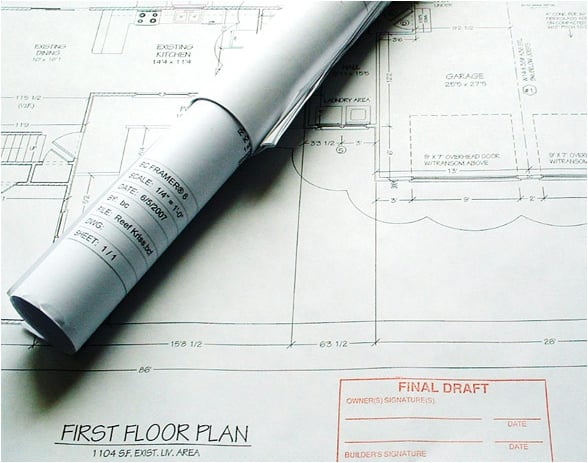
Waterfront and Wetland Properties Require Additional Planning
Building near the water is one of the great privileges of owning a home on Cape Cod.
It can also introduce additional regulatory considerations.
Properties located along the coast or adjacent to wetlands may require additional engineering, environmental review, flood-zone analysis, conservation approvals, or other local and state permitting.
These requirements can influence:
- Where the home can be located
- Foundation design
- Finished-floor elevations
- Septic design
- Stormwater management
- Driveways and site access
- Landscaping
- Coastal resilience measures
- Outdoor living areas
- Pools and accessory structures
For these properties, trying to rush the planning process is rarely productive.
The better approach is to identify regulatory requirements early and incorporate them into the design from the beginning.
Historic Districts Can Add Another Layer of Review
Cape Cod is also home to numerous historic districts intended to preserve the architectural character that makes its villages so distinctive.
Properties within these districts may require an additional level of public review before construction can begin.
One prominent example is the Old King's Highway Regional Historic District, which extends through communities along historic Route 6A and encompasses an exceptionally large geographic area.
Other locally regulated areas, including the South Dennis Historic District, can have their own review processes and architectural requirements.
Depending on the location and scope of a project, historic review may influence elements such as:
- Building mass and scale
- Rooflines
- Window proportions and styles
- Exterior siding
- Trim details
- Exterior doors
- Porches
- Garages and accessory structures
- Demolition of existing buildings
- Visibility from public ways
For homeowners who appreciate traditional Cape Cod architecture, these requirements ultimately help preserve much of the character that attracted them to the neighborhood in the first place.
However, the review process needs to be anticipated when establishing a realistic project schedule.
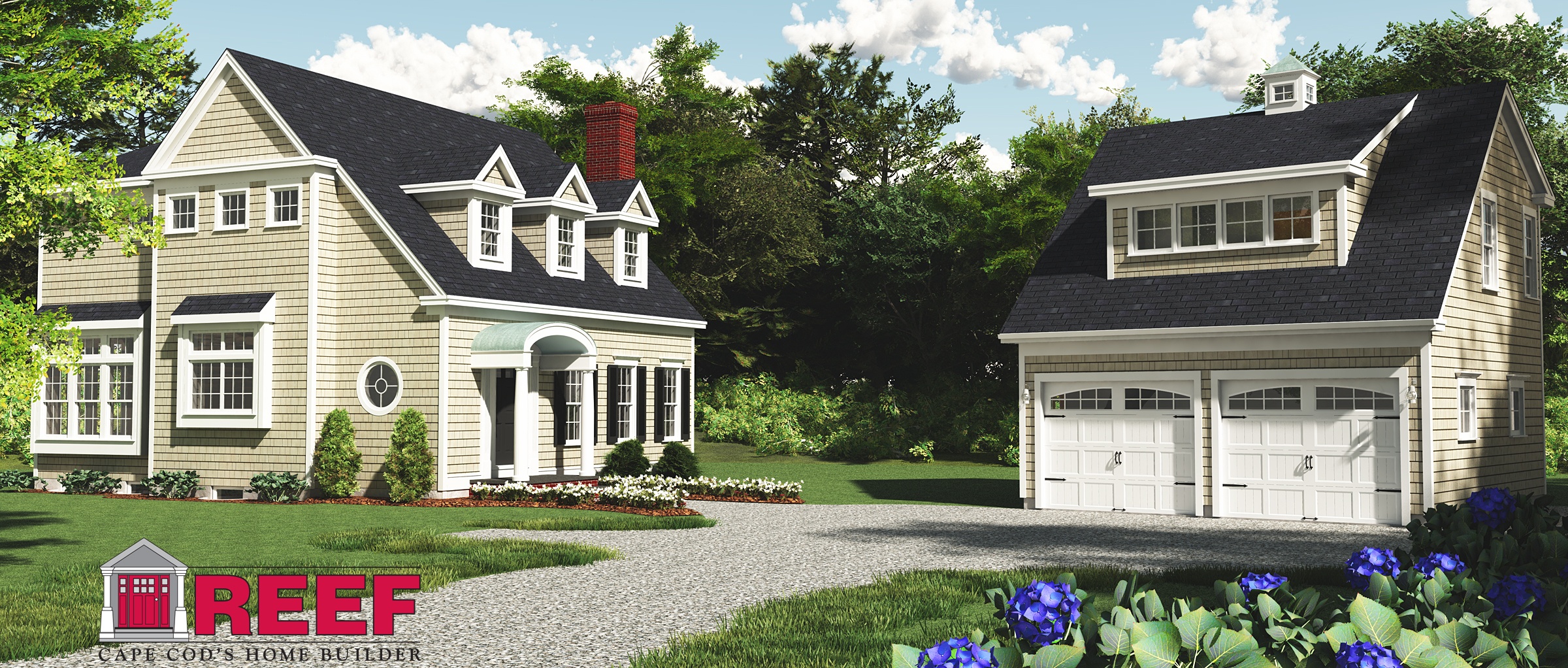
Good Design Takes Time
Permitting isn't the only reason the preconstruction phase can take several months.
Designing a truly custom home is an iterative process.
We begin by understanding how our clients want to live.
Will this be a year-round residence, retirement home, or seasonal retreat?
How often will family visit?
Do you entertain frequently?
Is first-floor living important?
Where should the home capture morning light?
Where are the property's best views?
How should the kitchen relate to the outdoor entertaining areas?
How will the home need to function 10 or 20 years from now?
These conversations eventually become floor plans, exterior elevations, structural systems, mechanical plans, specifications, and finish selections.
Taking the time to resolve these questions before construction begins isn't wasted time.
It's one of the best ways to create a smoother construction process and a better finished home.
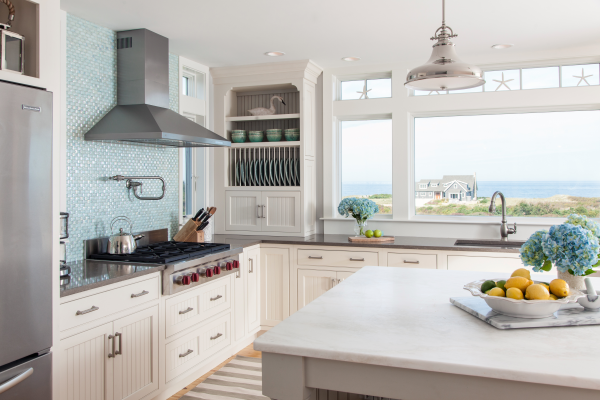
Selections Are Part of the Schedule Too
There's another important part of preconstruction that homeowners sometimes underestimate: selections.
Before accurate pricing can be established, many of the home's major components should be identified.
These may include:
- Windows and exterior doors
- Roofing and siding
- Cabinetry
- Appliances
- Countertops
- Plumbing fixtures
- Flooring
- Tile
- Lighting
- Interior doors and hardware
- Specialty millwork
Making these decisions early accomplishes two important things.
First, it allows the builder to develop pricing based on the home you actually intend to build rather than relying heavily on allowances and assumptions.
Second, it allows long-lead products to be identified and ordered at the appropriate point in the schedule.
A custom window package, specialty appliance, or unique building material that requires months to manufacture shouldn't become a surprise after construction is already waiting for it.
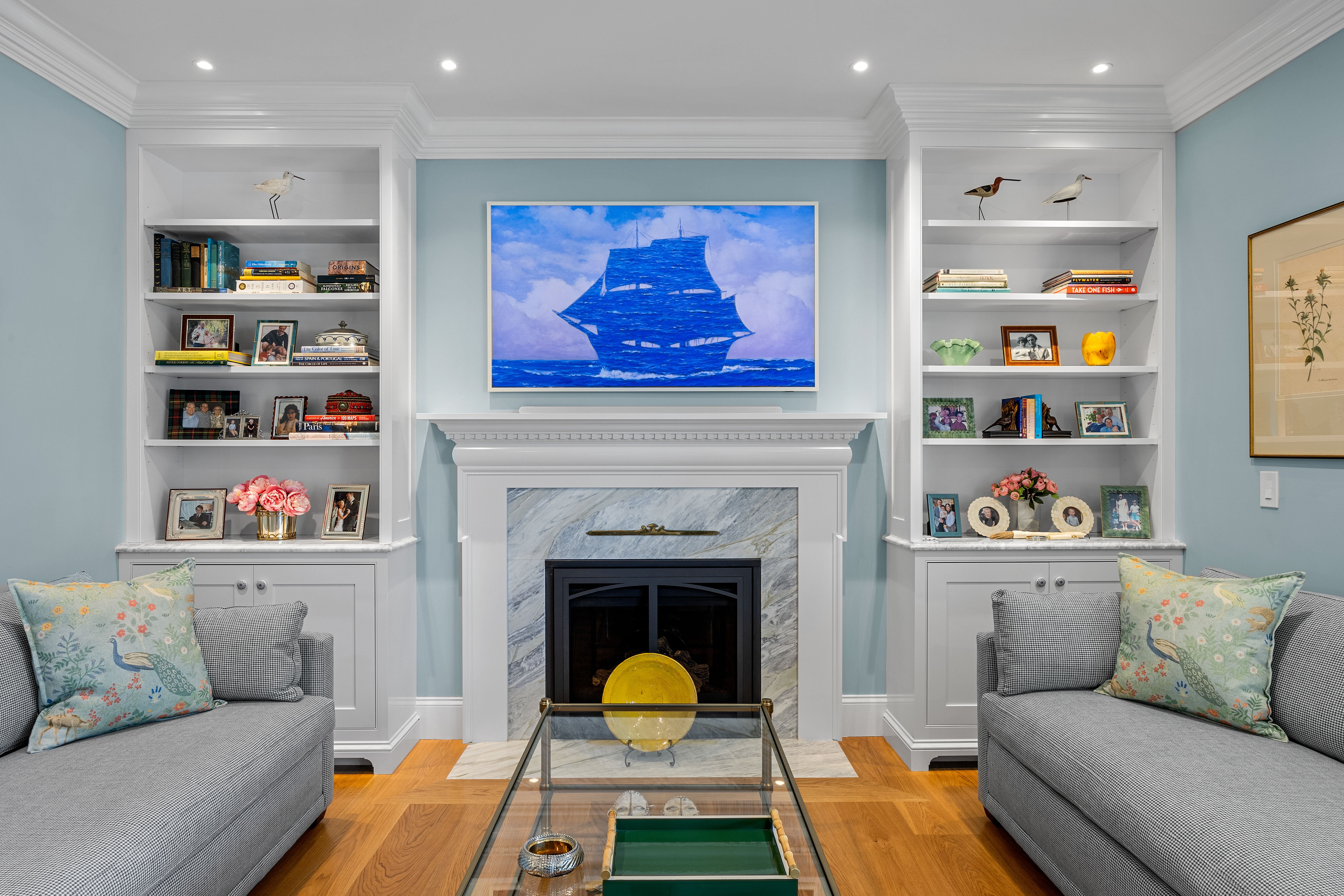
Then Construction Begins
Once design is substantially complete, major selections have been established, permits have been secured, and the construction budget has been finalized, the project can move into the building phase.
For most REEF Builders custom homes, homeowners should anticipate approximately 12 to 18 months of construction beginning with excavation.
That timeline can vary depending upon the project.
A custom residence with extensive architectural detailing, complicated site conditions, sophisticated mechanical systems, custom cabinetry, pools, extensive landscaping, or significant outdoor living areas will naturally require more time than a relatively straightforward project.
Weather and other factors outside the builder's control can also influence the schedule.
The important point is that construction duration should never be considered independently from preconstruction.
When someone says a home takes a certain number of months “to build,” they're often talking only about the period between excavation and completion.
For the homeowner, the more useful measurement is the entire journey from the first planning meeting until move-in.
For most REEF Builders custom homes, that means planning around an overall timeline of approximately 18 to 24 months.
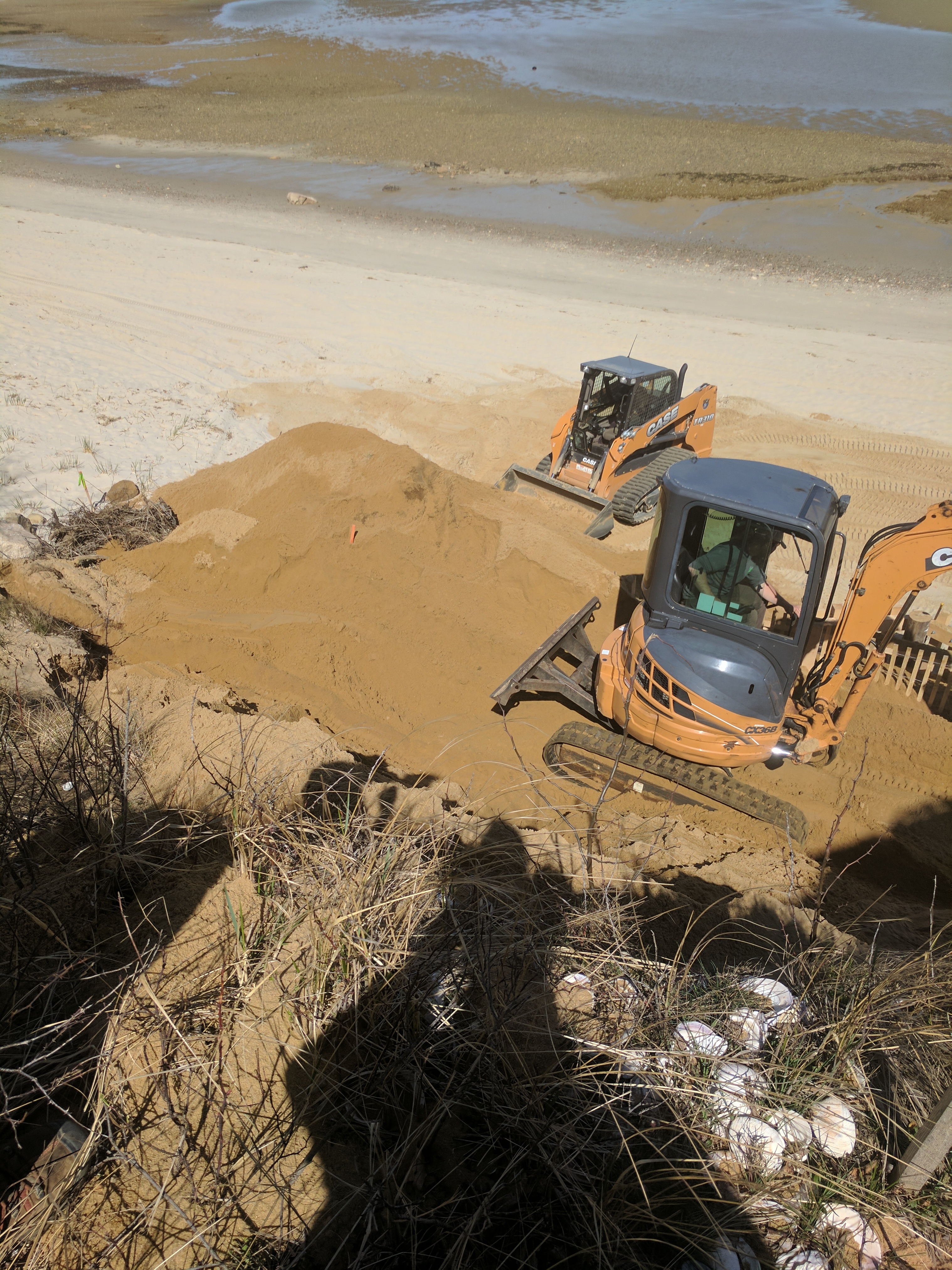
Why Starting Early Matters on Cape Cod
If you're hoping to enjoy your new home during a particular summer, start the conversation much earlier than you might think.
Imagine that your goal is to spend July Fourth in your completed Cape Cod home.
Working backward from that date may reveal that architectural design, site planning, engineering, selections, and permitting need to begin well over a year in advance.
For a waterfront property, wetland-adjacent lot, historic property, or particularly complex custom home, beginning even earlier may be advisable.
Starting early provides something extremely valuable:
Time to make good decisions.
Time to evaluate the property carefully.
Time to develop the right design.
Time to understand regulatory requirements.
Time to make thoughtful selections.
Time to establish realistic pricing.
And time to address challenges before they become expensive construction problems.
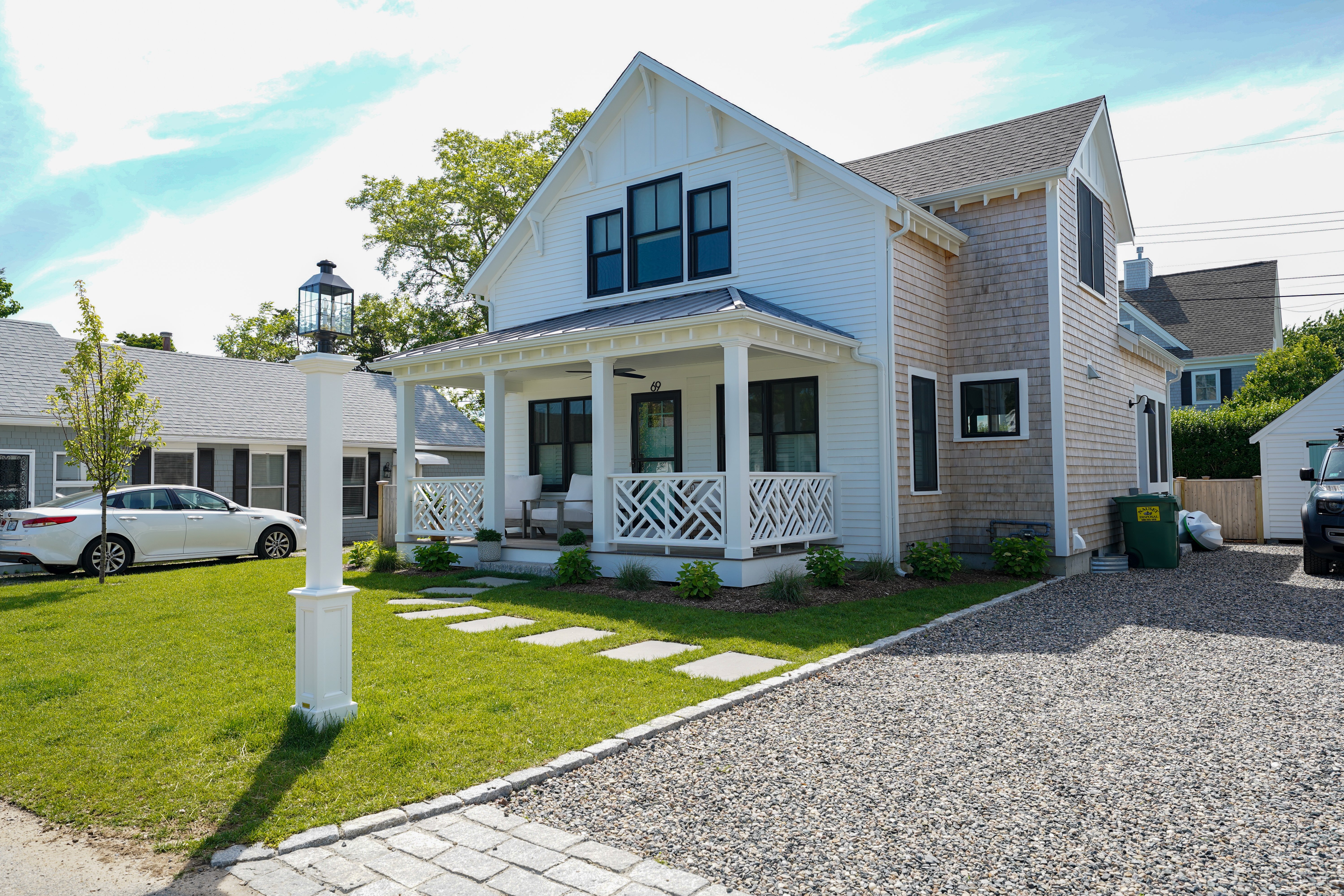
A Longer Planning Period Can Lead to a Smoother Build
It may seem counterintuitive, but spending more time before construction can actually make the building phase more efficient.
When plans are complete, selections have been made, permits are secured, and major products have been coordinated, fewer questions need to be answered in the field.
That can mean:
- Fewer change orders
- Fewer construction delays
- Better subcontractor coordination
- More accurate purchasing
- More predictable costs
- Better scheduling
- Less stress for the homeowner
In custom construction, speed shouldn't simply be measured by how quickly you can break ground.
It should be measured by how effectively the entire project moves from concept to completion.
Build the Schedule Before You Build the Home
If you're considering building a custom home on Cape Cod, one of the most valuable things you can do is begin planning early.
Don't wait until the year you hope to move in.
Have your property evaluated.
Understand the regulatory environment.
Begin architectural design.
Identify important selections.
Establish a realistic budget.
And develop a project schedule that accounts for both preconstruction and construction.
Cape Cod's most desirable properties are often located in the places where thoughtful planning matters most—along the coast, near wetlands, within historic villages, and in established neighborhoods.
Those locations can be well worth the additional effort.
They simply require experience, preparation, and realistic expectations.
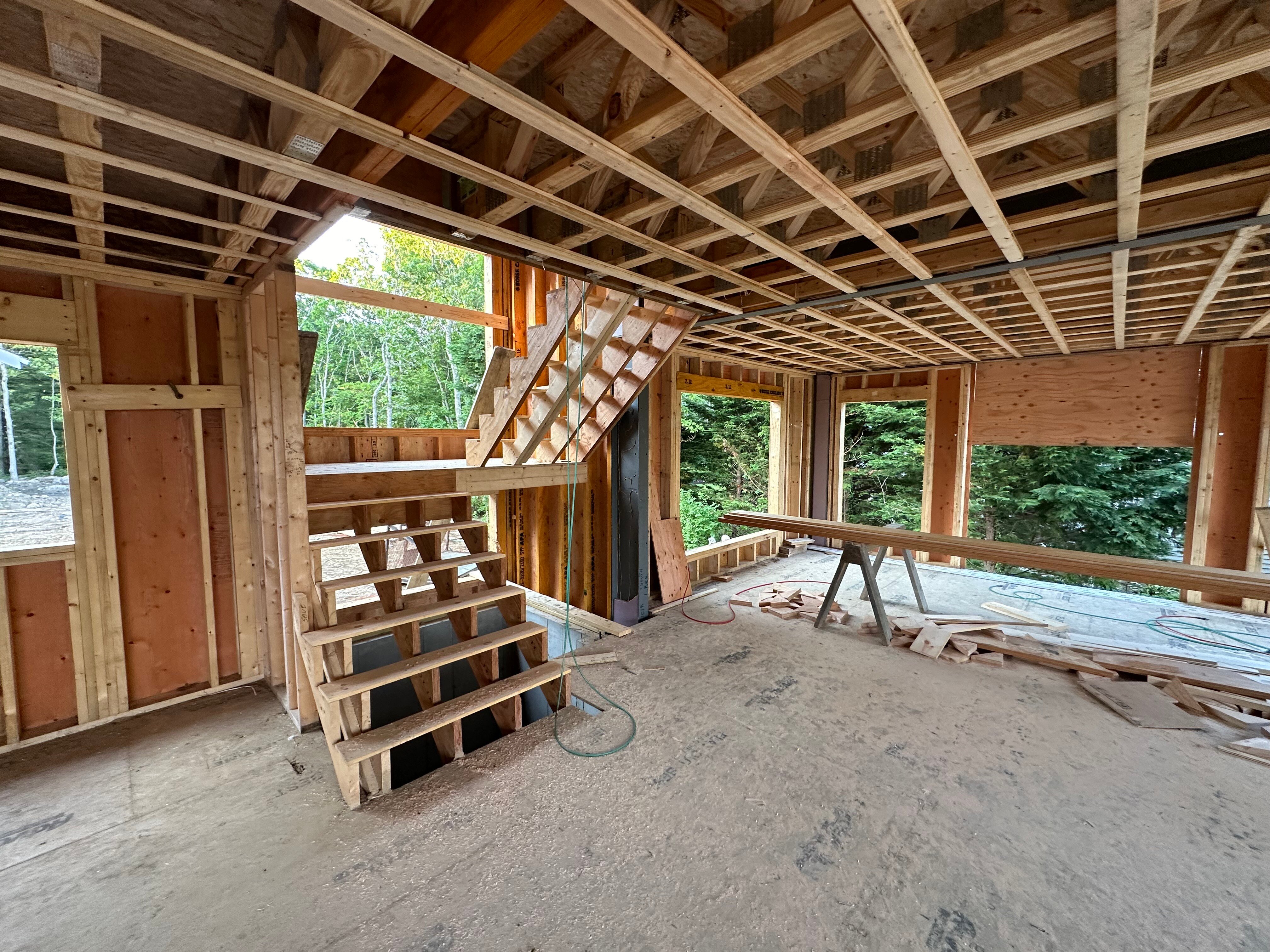
Planning a Cape Cod Custom Home?
At REEF Builders, we help homeowners navigate the entire custom home process—from initial site evaluation and architectural planning through permitting, selections, budgeting, construction, and completion.
For most of our custom home projects, homeowners should anticipate approximately 18 to 24 months from the beginning of planning through move-in, with more complicated properties potentially requiring additional time.
If you're thinking about building a Cape Cod home within the next few years, the best time to begin the conversation may be earlier than you think.
Visit CapeCodBuilder.com to explore our custom home portfolio, learn more about our design-build process, and speak with our team about developing a realistic timeline and budget for your project.
The sooner you begin planning, the more options you'll have—and the better prepared you'll be when it's time to build.